
Where in Nanjing can you stay to truly experience the essence of the old city?
This is a question worth answering seriously, because Nanjing doesn't lack high-end hotels; what it truly lacks are areas where you can "wake up and connect with the local atmosphere." This article aims to answer precisely this question: If you're only staying one night in a certain area, from afternoon check-in to noon check-out the next day, which area allows you to feel like you're living in everyday Nanjing, rather than just staying in a chain hotel in another city?
Check-in at 14:00
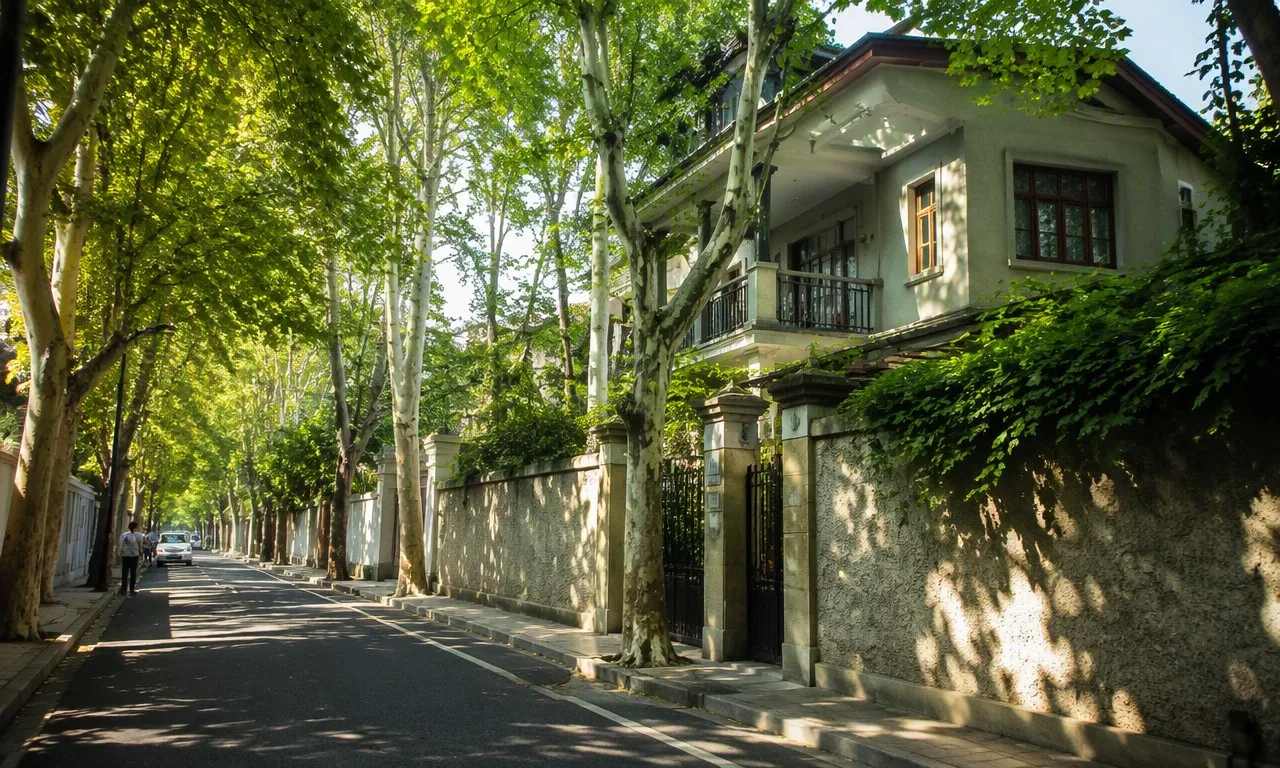
The reason this spot was chosen is near Yihe Road, not because it's bustling, but precisely because it's so quiet it almost doesn't feel like a tourist area. Most people would recommend staying in Xinjiekou, citing its convenient transportation, but Xinjiekou's convenience comes at the cost of constant noise. The area around Yihe Road is mostly comprised of renovated old villas, small design hotels, and upgraded accommodations from former company guesthouses. Around 2 PM, the streets are nearly deserted, and the shadows of the plane trees cast on the walls. Dragging your suitcase inside, you naturally get the illusion that "I feel like I've always lived here."
After checking in, don't rush to put your things down and lie down. The light at this time of day is the best for viewing the old buildings. Jiangsu Road and Luojia Road are within a few hundred meters. The old embassy district has a high density of detached houses, but there aren't many tour groups. The most practical advantage of staying in this area is that you can walk around the entire afternoon, without having to take a special bus to reach attractions.
16:00 Go out for a walk
The best thing to do during this time is to wander aimlessly. No need for navigation to any specific spot; just turn left or right from your hotel exit, and within five or six minutes you'll see a mix of Republican-era buildings, old company dormitories, and scattered independent shops. Most travel guides will tell you that Yihe Road is just one street, but it's actually a collective term for a whole network of streets. The truly beautiful spots aren't concentrated in any one section, but rather in the quiet alleyways that suddenly appear after a turn.
When you get tired, you can sit down at a small cafe or bakery at the intersection. Unlike the old Mendong area where shops are lined up side by side, the few remaining shops are quite restrained and don't make their signs too big to attract passersby. Between 4:00 and 5:30 in the afternoon, local residents start to come out to pick up their children and buy cooked food. You can clearly feel that the rhythm of this area has not changed because of the new residents.
18:30 A small decision before dinner
If you're staying in the Yihe Road area, don't have a "must eat at a certain restaurant" mentality. There aren't any big, famous restaurants that tourists flock to from all over the country; instead, it's best to eat nearby. Within walking distance, you can find local eateries with prices around tens of yuan per person, as well as mid-range Huaiyang cuisine restaurants. The selection isn't huge, but the basic quality is generally good. If you're willing to walk about a kilometer towards Shanxi Road or Ninghai Road, you'll enter the old Drum Tower area, where your dinner options will expand significantly.
The basis for this decision is: living in the old town area, the most important thing for dinner is to avoid unnecessary travel. After walking around all afternoon, commuting across districts for dinner in the evening would only diminish the meaning of living here. Eating a meal nearby with vegetables and hot soup is more in line with the character of this area than checking out trendy restaurants.
20:30 On the way back to the hotel
The walk back to my accommodation from the restaurant is the most cherished, albeit unseen, experience of living in this area. Around 9 or 10 pm, the streetlights along Yihe Road are mostly blocked by the plane trees, the light on the ground is fragmented, and there is very little traffic. Occasionally, a resident walks by with their dog, their footsteps more noticeable than their voices.
Most people are used to locking their hotel rooms as soon as they get back at night. However, if you're staying on Yihe Road, it's advisable to take your time on the return trip and avoid taking shortcuts. Instead, take a detour around Xikang Road and Tianmu Road before turning back. You'll pass several sections of almost deserted old walls and old guardhouses; the tranquility there is something you can't experience during the day. Many people, when they leave Nanjing, remember this route back to their hotel more than the tourist attractions.
Things I do in my room before bed at 22:30
Back in your room, it's not recommended to spend time scrolling through your phone looking up travel tips for the next day. The mornings and forenoons in this area are more precious than the nights, so the most important thing to do before bed is to set an alarm for an early start. Rooms facing the residential area will be quieter than those facing the street; you'll hardly hear any cars at night.
If you're staying in a hotel converted from an old building, take a few minutes to examine the window frames, floor tiles, and stair railings in your room. These details are easily overlooked during the day, but in the quiet of the evening, they reveal the building's age. Most travel guides emphasize the hotel's facilities and design, but the true value of these old buildings lies in their sense of history, not their decorating style.
07:30 Going out for breakfast early in the morning
This is the most crucial time after settling into the old town area. Avoid the hotel breakfast, even if it's included in the room rate. Head out at 7:30 AM towards Shanyin Road, Jiange Road, or Hankou West Road. The air will be filled with the mixed smells of steamers and frying oil; students and the elderly will already be lining up. The breakfast shops in this area are mostly long-established community stores, serving steamed rice, potstickers, soy milk, soup dumplings, etc. They aren't chain brands, but each one is thriving.
Why this is the best time to go out: because it's the only time you can witness the area "awakening." Locals will speak to shop owners in the most casual way, and without looking at the menu, you can tell what's worth eating just by looking at what the people in line are ordering. Living on Yihe Road and not eating a local breakfast means you've only experienced the cleanest half of the area, but missed its most vibrant and down-to-earth side.
09:30 Last loop before checkout
After breakfast, go back to the hotel to pack your things. Before checking out, take half an hour for one last walk. Don't bring any luggage at this time; walk empty-handed for a couple of blocks, watching the elderly people going in and out of the courtyards along the street, the students riding by on their bikes, and the cats sunbathing by the roadside. The light at this time is different from that in the afternoon; it's whiter and more direct, allowing you to clearly see the colors of the building facades and the veins of the plane tree trunks.
Many people ask, "Is it worth staying here?" My assessment is: if you only consider accommodation as a place to sleep, then the convenience of Xinjiekou might be more suitable; but if you want a "temporary local feel" in your accommodation in Nanjing, the Yihe Road area is one of the few places that can still provide that feeling. Whether it's worth it or not depends on whether you're willing to dedicate half an hour before check-out to it.