
Where can I buy Nanjing souvenirs without losing money?
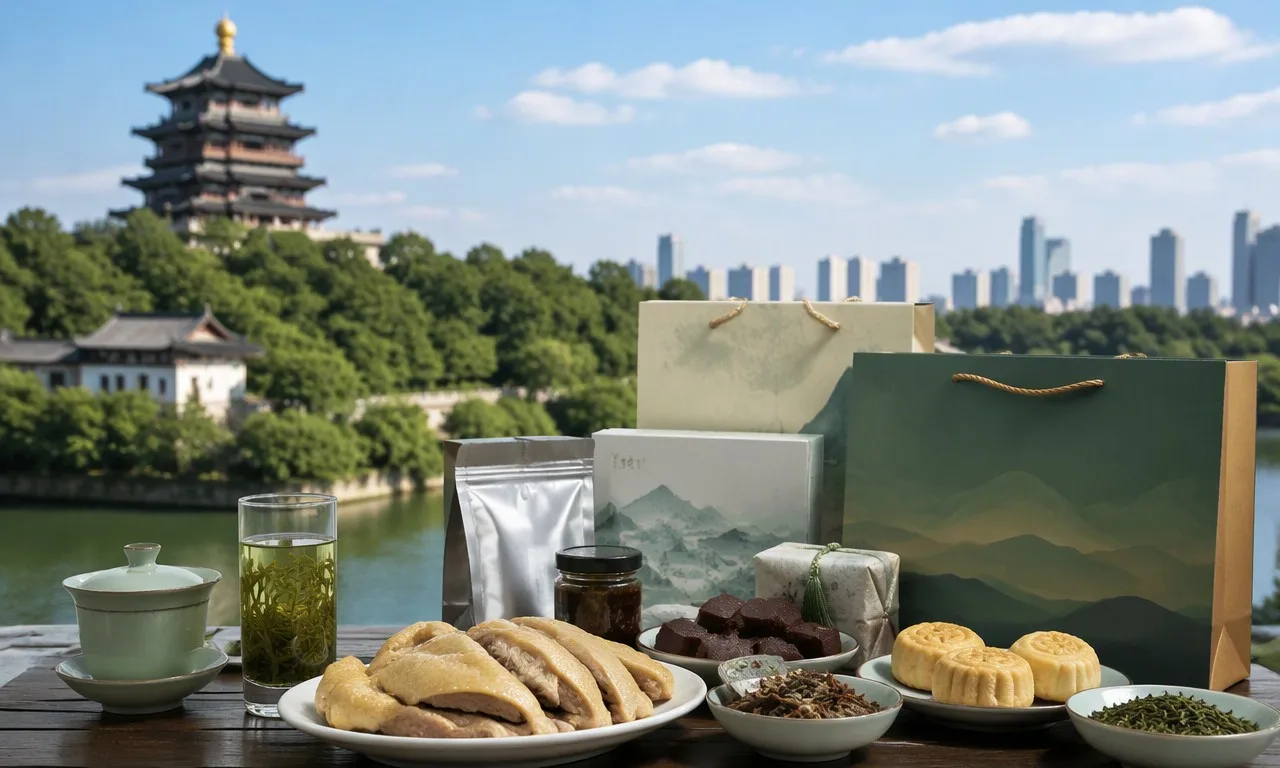
The question "Where to buy Nanjing souvenirs?" deserves a serious answer because the same items can vary drastically in price and quality depending on the street and the signboard. Tourists are most likely to overspend at temporary stalls near scenic spots and chain gift shops, while the shops that Nanjing locals actually buy from are often not on the first page of navigation sites. Below, we'll use six comparisons to clearly explain "common buying methods" and "how to actually choose."
Salted Duck: Vacuum-packed gift boxes at tourist attractions vs. refrigerated display cases in local supermarkets
Most travel guides will tell you to look for signs for "XXX Zhai" or "XXX Lou" when buying salted duck, as there are shops every few steps near tourist attractions, and it's a presentable purchase. In reality, most of the ducks sold in tourist areas are pre-packaged, vacuum-packed ducks at room temperature. They have a long shelf life, the meat is dry, and the saltiness is too high, mainly because the taste has been compromised for the sake of storage.
What's truly worth buying are the loose or freshly packaged salted ducks from the refrigerated sections of large local supermarkets. Many are supplied by established local brands, just with a different, less noticeable barcode. You only need to check two things: first, whether the packaging says "refrigerated," and second, whether the ingredient list includes a bunch of additives besides duck, salt, Sichuan peppercorns, and star anise. Short-shelf-life, refrigerated ducks are usually correct. If you're buying it for yourself or as a gift for a discerning friend, choose the latter; if you're buying it for an elder who values presentation, you can buy a gift box from a tourist attraction, but be prepared that you're "buying the packaging."
Duck oil sesame seed cakes: Freshly baked stalls in tourist areas vs. time-honored stores
Most travel guides will tell you that the freshly baked sesame cakes from the stalls along the streets of Confucius Temple and Laomendong are "the best to eat while they're hot," and you can buy a few boxes to take home. In reality, the duck fat sesame cakes from the stalls in tourist areas tend to be small, the duck fat ratio is inconsistent, they are baked hastily when there are many people, the layers are not crispy enough, and they tend to harden into a lump after cooling down.
In the old town, some long-established breakfast stalls or bakeries near the market bake a fixed number of batches of flatbread each day. They use plenty of duck oil, resulting in a flaky crust with many layers that stay crisp even after half a day. The way to tell is simple: look at the distinct layers on the side of the flatbread; if it crumbles easily when you gently squeeze it, the oil and flaking are perfect. If you buy a lot, ask the vendor to pack it in a paper bag without sealing it. Sealing it in a plastic bag will prevent you from reheating it at home. Buying one or two to eat on-site in tourist areas is fine, but for takeout, it's more cost-effective to go to a long-established shop.
Yuhua Tea: Loose Tea at Scenic Spot Tea Shops vs. Small Packages at Local Tea Estates
Most travel guides will tell you that Nanjing's specialty, Yuhua tea, is best bought at tea shops near Sun Yat-sen Mausoleum and Yuhuatai. However, in reality, much of the loose-leaf Yuhua tea sold in these tourist areas is either imitations made from fresh leaves from other regions or blends of aged tea. The buds are thin, the aroma is weak, and the price isn't low. Without a comparison, tourists can't taste the difference.
Locals usually buy small, sealed portions of the current year's spring tea from established tea shops when gifting Yuhua tea. They check the tea leaves for tight, round, and straight shapes with visible white down, and look for a light, bean-like aroma rather than a grassy smell. If you only have a day or two, go directly to the tea section of a local supermarket and choose tea with geographical indications and grade markings; this is much more reliable than buying loose tea from tourist areas. Remember this principle when buying tea: tea with its origin, grade, and production date is more reliable than tea that only says "Yuhua Tea."
Nanjing Brocade and Cultural and Creative Products: Scenic Spot Souvenir Shops vs. Local Museum Shops
Most travel guides will tell you that Nanjing brocade is the most presentable souvenir from Nanjing, and that the brocade bags, bookmarks, and coin purses sold at the entrances of scenic spots are "exquisite and inexpensive." In reality, many of the so-called Nanjing brocades sold in the souvenir shops of scenic spots are mass-produced imitations woven on jacquard machines. The patterns are rough, and the edges tend to fray after prolonged use, yet the prices are marked as genuine Nanjing brocade.
If you really want to buy small items with Nanjing brocade elements, the cultural and creative shops at local museums are more reliable. At least the origin of the craftsmanship is clearly stated, or it's supervised by a legitimate Nanjing brocade research institute. Distinguishing them is simple: genuine Nanjing brocade has clear patterns on the back and layered designs on both sides, while imitation brocade often has a blurry back. If you're on a budget, buy palm-sized picture frames or coasters; you can get decent items for around a hundred dollars. If your budget is higher, consider shawls or scrolls, but don't impulsively buy them at tourist attractions.
Qinhuai Pastries: Established Brands in Scenic Areas vs. Bulk Shops Near Markets
Most travel guides will tell you to buy local specialties like the "Eight Delicacies of Qinhuai," osmanthus cake, and mung bean cake from the "century-old shops" counters in tourist areas, where the packaging is attractive. In reality, many of the pastries sold in those counters are centrally distributed from factories, resulting in high sugar content, monotonous flavors, and nothing like the truly traditional craftsmanship.
Locals in Nanjing often buy traditional pastries from the bulk pastry shops near the old city's southern market. They sell them by weight, and the osmanthus rice cake, water chestnut cake, and mugwort dumplings are all made fresh daily. You only need to ask, "Was this cake steamed today?" If the shopkeeper answers readily, you buy it; if they answer vaguely, you leave. Bulk pastries have a shorter shelf life, but the taste and aroma are far superior to the "display-style" pastries in gift boxes. For a pretty gift, you can buy a tourist attraction gift box; for personal consumption or as a gift for close friends, always choose the short-shelf-life bulk pastry.
Sweet taro seedlings and red bean dumplings (ready-to-eat): Tourist area specialty stores vs. local supermarket refrigerated sections
Most travel guides will tell you that Nanjing's sweet taro sprouts and red bean dumplings are delicious, and that tourist shops sell instant cup versions that can be reconstituted by adding hot water. In reality, those instant cup versions sold in tourist shops are heavily flavored with artificial flavorings, contain pitifully small taro cubes, and lack the layered flavors of osmanthus and brown sugar in the soup base.
Local supermarkets' refrigerated sections offer fresh, bowl-shaped or bagged sweet taro sprouts and red bean dumplings from local food factories. The first ingredient listed is usually taro or red beans, and the shelf life is only a few days to a week or two. Reheating them at home in a water bath yields a taste almost identical to what you get in stores. Just look for the bottom shelf of the refrigerated display case; the best items are usually not on the most prominent shelves. When choosing soup-type souvenirs, follow this principle: refrigerated items are more reliable than room-temperature items, and shorter ingredient lists are more reliable than longer ones.
Duck blood and vermicelli soup base packets: Tourist area gift boxes vs. local supermarket condiment sections
Most travel guides will tell you that duck blood and vermicelli soup is a Nanjing specialty, and that tourist attractions offer "family-sized gift boxes" containing dried vermicelli, seasoning packets, and vacuum-packed duck blood and intestines, making it convenient to take home and cook. In reality, the duck blood and intestine packets in these tourist gift boxes are often too salty and fishy, and the dried vermicelli is not as smooth and silky as the sweet potato vermicelli commonly used in Nanjing households.
Near the condiment section or deli counter in local supermarkets, you'll often find simply packaged duck blood and vermicelli soup packets produced locally. These come in two types: "clear broth" and "thick broth," with the dried vermicelli and soup packet separated. The duck offal packets are also fresher. The key to distinguishing real duck blood is its color; a dark red, chewy packet is more likely to resemble real duck blood than a bright red, brittle one. If you're buying it as a gift for friends out of town, just buy the one from the supermarket with the listed price and clean ingredients; there's no need to pay extra for the fancy packaging found in tourist areas.
In short: When it comes to souvenirs from Nanjing, for anything related to "food," local supermarket freezers and old shops near wet markets are usually more reliable than those in tourist areas; for anything related to "cultural crafts," museum shops are more trustworthy than souvenir shops in tourist areas. Just remember one thing—check the ingredient list and production date before buying, and you can avoid many pitfalls on the spot.