
Who to give Nanjing souvenirs to and how to choose them without making a mistake?
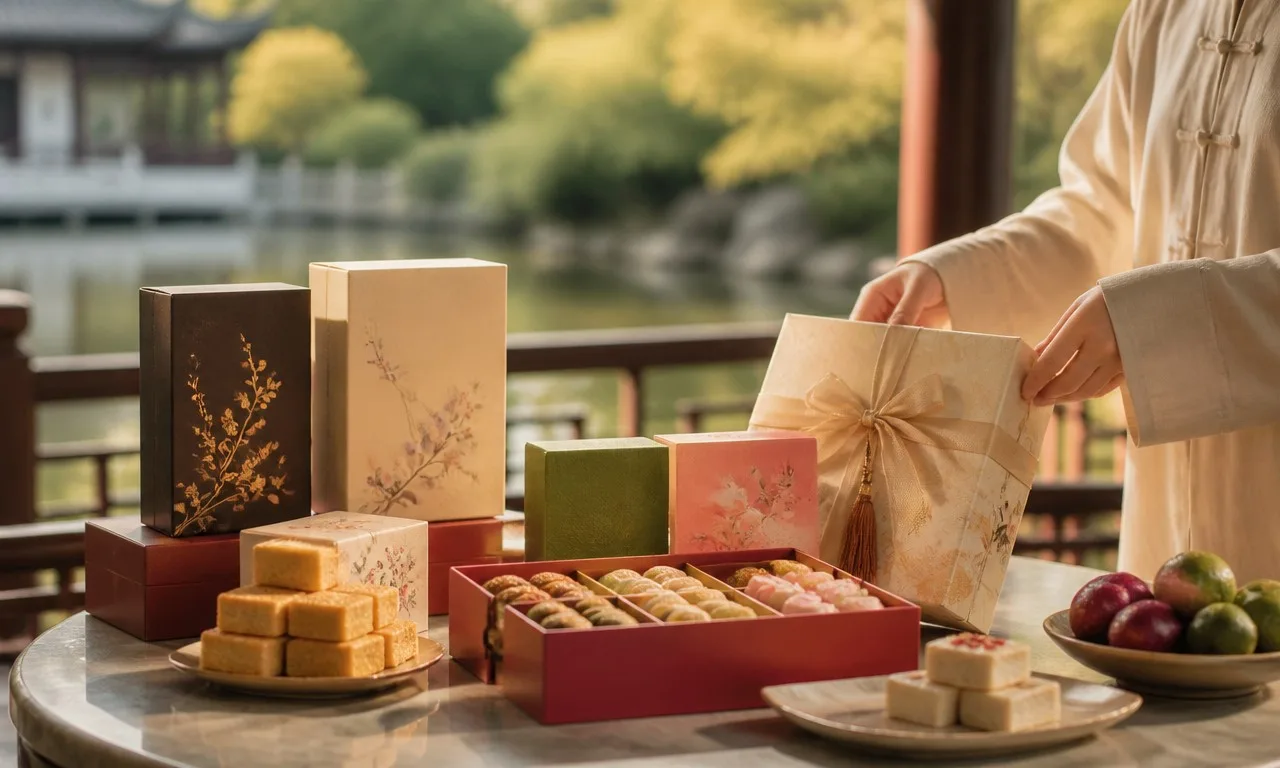
Many people, thinking "since I'm already here," buy a couple of bags of vacuum-packed salted duck at the scenic area entrance and leave, only to find later that it seems too casual to give to a boss, too tough for elders to chew, and unappealing to colleagues. The biggest challenge in choosing Nanjing souvenirs isn't finding the right items, but rather giving them to the wrong recipient. This article breaks down the seven most frequently asked gift-giving questions by recipient, providing two to three specific items for each question, along with matching ideas and judgment criteria. Following these suggestions will generally prevent you from making a mistake.
What gift should I give to my boss that is both characteristic of Nanjing and not too stingy?
There are two things leaders fear most when receiving gifts: gifts that are too expensive and feel burdensome, and gifts that feel too touristy and seem perfunctory. Therefore, avoid buying those loose ducks packaged in red plastic bags like those at tourist attractions. Instead, opt for a combination of "small Nanjing brocade items and Yuhua tea." For the brocade, you don't need a large screen; a brocade bookmark, tie clip, or small picture frame at a mid-range price will showcase Nanjing's local craftsmanship without taking up much space. For the Yuhua tea, choose mid-range bud tea in cans; simple packaging is more reliable than flashy ones.
Also include a vacuum-packed salted duck; remember to choose a well-established, premium brand, not the kind with a transparent bag that prominently displays "Nanjing Specialty." The key is that these three items together evoke a sense of culture and Nanjing flavor, and can all be kept in an office drawer or at home, avoiding any awkwardness for your boss. If you're only giving one gift, prioritize Yuhua tea, as tea is a universally accepted social currency and less likely to be a mistake.
What are some soft, healthy, and reputable gifts for elders?
Elderly people generally don't have as many teeth as younger people, so avoid bringing those hard, dried-out duck wings from tourist attractions. I recommend a three-piece set: "Osmanthus-scented duck gizzards, chestnut cake, and low-sugar mixed vegetables." The osmanthus-scented duck gizzards are thinly sliced, with a perfect balance of softness and chewiness—a flavor that old Nanjing locals appreciate. Choose individually packaged chestnut cakes with a lower sweetness. The mixed vegetables are a common cold dish in Nanjing during the Lunar New Year; vacuum-packed and ready to eat, they're refreshing and help cut through any greasiness.
The criteria for judging are: none of these three items require vigorous chewing, and none are high-fat, high-sugar, burdensome snacks. If elders have concerns about blood sugar, you can replace the chestnut cake with vacuum-packed Yuhua tea leaves. Tea leaves are cheaper but have a good aroma, and brewing them is safer than eating the cake. When preparing the meal, pack it in a cardboard box with a handwritten note explaining how to eat it, such as "Sliced duck gizzards with white porridge, and mixed vegetables taste even better after being refrigerated overnight." Elders will appreciate your thoughtfulness.
How can you give gifts to colleagues or peers in a way that doesn't feel cheap or perfunctory, even if the amount per person is only a few dozen yuan?
The worst gift-giving practice among colleagues is giving a large bag that one person can't finish and is difficult to share. Therefore, choose items like "small packets of duck blood and vermicelli soup packets, individually wrapped Yuhua stone chocolates, or small boxes of chicken soup packets"—these are single-serving or easy-to-grab types. Many established brands now offer portable versions of duck blood and vermicelli soup packets; one packet is just the right amount for one bowl, perfect for a quick dip in hot water in the office. Yuhua stone chocolates are shaped like Yuhua stones—pretty, inexpensive, and suitable for sharing over afternoon tea. For chicken soup packets, buy frozen small boxes and steam them for eight minutes at home.
The criteria for this decision are: the unit price is controlled at around tens of yuan per person, and the items are all in a form that can be individually distributed, avoiding the awkward situation of "I'm giving you a whole duck, how are you going to take it home?" If you only have one close colleague, you can buy a small portion of each of the three items, put them in a brown paper bag, and add a note saying, "These are all things that locals in Nanjing usually eat, not tourist trap items," which shows more sincerity than simply giving a large gift box.
Which items are locals actually buying back for themselves at home?
If you're buying it for yourself, don't bother with vacuum-packed, room-temperature salted duck; it's completely different from freshly chopped duck. What you should really bring is roast duck. Nanjing roast duck is drizzled with braising liquid, not the sliced skin of Beijing duck. Get freshly chopped duck breast or hind leg from an old shop near the market, vacuum-packed, and then heated up and drizzled with braising liquid at home—it's much more fragrant than salted duck. Secondly, you can buy "Xiao Zheng Crispy Sesame Cakes"—ten each of the scallion oil and black sesame candy flavors. Pan-fry them until the crust remains crispy.
If you have room in your suitcase, also bring a box of "Li Ji Halal Restaurant Beef Potstickers" (pre-made frozen). Just fry them in oil in a pan until the bottoms are golden brown; they're much better than store-bought frozen dumplings. The basis for this recommendation is that these three items are things locals regularly queue up for, not souvenirs for tourists; their taste is so good that locals would buy them again and again. Note that the roast duck and potstickers should be vacuum-packed or frozen on the same day; if they're taking more than half a day on the road, it's recommended to use ice packs.
How can you create a decent-looking space with a limited budget of tens to hundreds of yuan per person?
A limited budget doesn't mean you have to buy cheap, bulk products. Here's a feasible solution: Go to the "Nanjing Specialty Products" section of a large local supermarket, not a tourist shop, and buy "a pack of ten duck fat sesame cakes, two or three small packages of sausage, and a bag of Yuhua tea." The duck fat sesame cakes will soften when you take them home, but they can be reheated in the oven for three minutes to restore their texture; choose vacuum-packed sausage, slice it, steam it, and you have a dish; package the tea in glass jars yourself to make it look like you bought high-quality tea.
The basis for this decision is that these three items together cost only a few dozen yuan per person, but when placed together, they offer a complete experience of "a balance of salty and sweet, meat and tea," which is more sophisticated than buying a single bag of ordinary pastries. If you want to elevate the experience even further, you can replace the sausage with two small individually packaged bags of "five-spice beef cubes," which also have the traditional Nanjing flavor, are ready to eat straight from the bag, require no processing, and are more suitable for an office setting.
Looking to buy something with a cultural feel but that doesn't take up much space, any recommendations?
Many people want to bring Nanjing's culture back with them, but folding fans and brocade scrolls are often too big or too expensive. Here are three smaller items I recommend: For "Jinling folding fans," choose small, blank fan surfaces so you can inscribe them yourself; for Yuhua stones, buy natural textured stones that come with a box, not brightly colored industrial products; and for small brocade picture frames or coasters, about the size of your palm, perfect for a desk or tea table.
The criteria for selection are: all three items can fit in a carry-on bag without adding to the luggage, and each has a clear place of origin—the folding fan is a traditional craft of Jinling, the Yuhua stone is the only one produced in Nanjing, and the Nanjing brocade is woven in Nanjing. When giving them as gifts, adding a note like, "The pattern on this small picture frame is woven from Nanjing brocade, not printed on," will immediately convey that you have carefully selected them.
How to choose souvenirs that won't spoil when visiting Nanjing in summer or winter?
Seasonality has the biggest impact on meat-based gift options. In summer, prioritize vacuum-packed Osmanthus Duck, canned Yuhua Tea, and individually packaged duck gizzards. Avoid any freshly chopped roast duck, potstickers, or soup packets, unless you arrive home on the same day and the journey takes no more than four hours. The rationale is that vacuum-packed duck and tea can be kept at room temperature below 30 degrees Celsius for three days without any problems, and duck gizzards, being high in salt, also keep well.
In winter, you can bring things like sausages, cured pork, and mixed vegetables—items commonly found on Nanjing's winter tables. Choose well-established, air-dried sausages, steam them for 20 minutes at home, and then slice them. Cut the cured pork into small pieces and stir-fry with vegetables or use it in soup. Vacuum-pack the mixed vegetables and refrigerate them; they're perfect for adding to your New Year's meal. The rationale is that these cured and refrigerated items are safer during winter travel due to the low temperatures, and they align with seasonal eating habits, avoiding the impression of "why send summer food at this time of year?"