
A cultural and artistic trip to Nanjing: follow a guidebook or trust your own judgment?
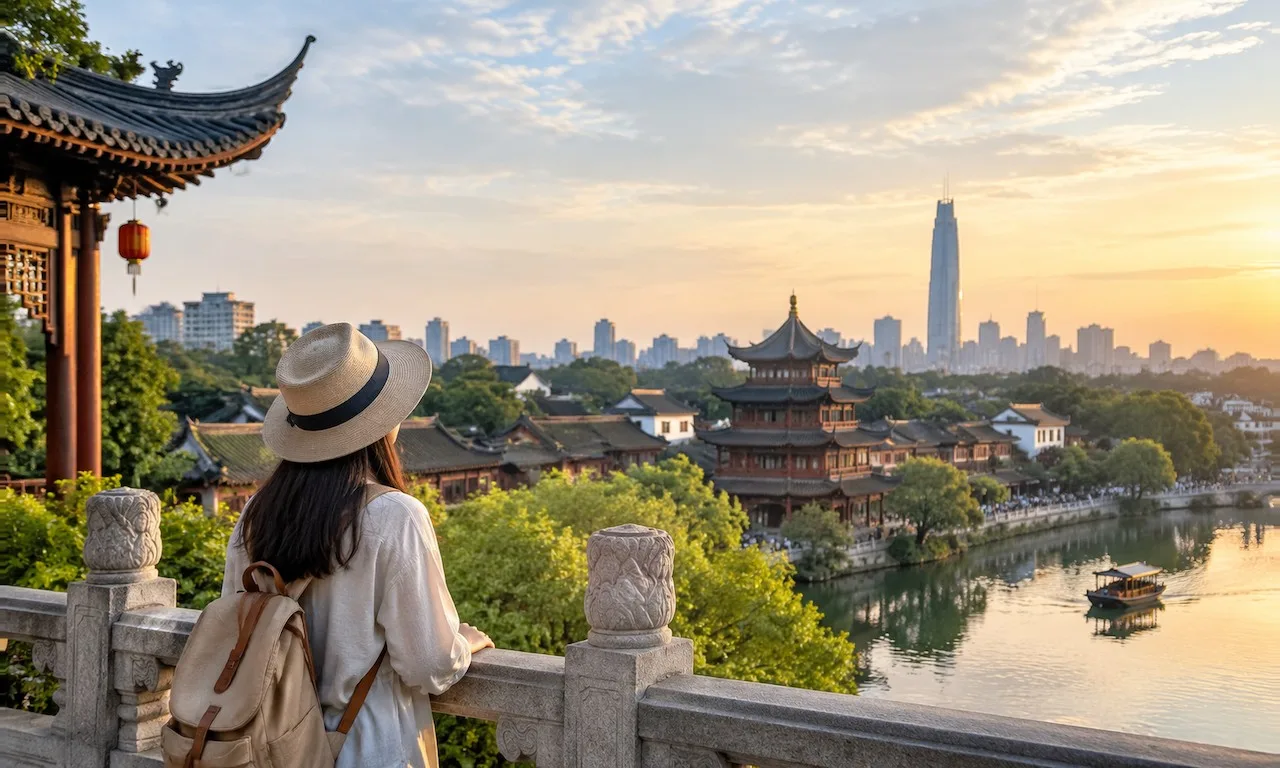
Many people ask how to plan a cultural and artistic trip to Nanjing. This question deserves a serious discussion—because Nanjing has so many cultural attractions that the actual experience often differs from what's described in the guidebooks. Most guidebooks will give you a "must-see list," but rarely tell you that spending the same afternoon here and there can result in completely different Nanjing experiences. This article uses a comparative approach, putting together well-known and lesser-known attractions, free and paid attractions, indoor and outdoor attractions, explaining which are suitable for which groups and how to choose when time is limited. After reading this, you can make your own decisions.
Nanjing Museum VS Six Dynasties Museum
Most travel guides will tell you that the Nanjing Museum is one of the "three major museums," and that not visiting it is a wasted trip to Nanjing. Indeed, the Nanjing Museum is worth visiting, but its vast and comprehensive exhibits can easily become a burden for those with limited time. A complete tour of the history hall, special exhibition hall, Republican era hall, and art hall takes at least four or five hours, and during peak season, there are long queues. If you only have half a day and are particularly interested in the history of the Six Dynasties, the Six Dynasties Museum is a more comfortable choice. It presents the "elegance of the Six Dynasties" in an immersive spatial experience, with clean exhibition lines, fewer crowds, and a quiet atmosphere; you can see everything thoroughly in two hours. The choice is simple: if you have ample time and it's your first time in Nanjing, go to the Nanjing Museum; if you're specifically there for Six Dynasties culture or want to avoid the crowds, go to the Six Dynasties Museum.
Presidential Palace VS Meiyuan New Village Memorial Hall
Most travel guides will tell you that the Presidential Palace is the "face" of Nanjing's modern history and a must-see. In reality, the Presidential Palace is consistently crowded, and the core exhibition halls along the central axis are often "pushed around by the crowds." If you're interested in the history of the Republic of China but don't want to squeeze through crowds to see the exhibits, the Meiyuan New Village Memorial Hall is a seriously underrated alternative. It tells another story within the same historical context—the residence of the CCP delegation in Nanjing. The several small buildings are very well preserved, the courtyard is quiet, and the exhibits are restrained. It's suitable for visitors interested in modern political history but not looking for a "landmark." If you're short on time and just want to see "a slice of Nanjing's modern history," Meiyuan New Village is a better choice than the Presidential Palace.
Confucius Temple VS Laomendong
Most travel guides will tell you: Confucius Temple is Nanjing's cultural landmark, and you must go at night to take a boat ride and see the lanterns. In reality, the core area of Confucius Temple has become highly commercialized; what you'll likely see is more of a "street of tourist souvenirs." If you're looking for a "cultural feel" that's the architecture and alleyways themselves, rather than the clamor of vendors, Laomendong is closer to the "texture of old Nanjing." After its renovation, Laomendong has preserved the layout of many old residences. The alleys are narrow and deep, and many independent art spaces, small theaters, and artisan workshops are hidden within. Suitable for: those who want to stroll slowly, take some quality street photos, or find a courtyard to enjoy tea. If you're in a hurry, Laomendong at night better represents "Nanjing's leisurely pace" than Confucius Temple.
Stone Elephant Road of Ming Xiaoling Mausoleum VS Linggu Temple
Most travel guides will tell you that the Ming Xiaoling Mausoleum is a "World Cultural Heritage" site, and the ginkgo and plane trees along the Stone Elephant Road in autumn are a scenic highlight of Nanjing. However, on weekends during autumn foliage season, the Stone Elephant Road at the Ming Xiaoling Mausoleum is packed with people waiting to take photos, which diminishes the serene and profound atmosphere. If you're looking for an experience of "towering ancient trees and quiet with fewer people," Linggu Temple is a better choice for a more peaceful experience. The pine forest and pagoda of Linggu Temple possess a deep "mountain atmosphere," especially around 3 or 4 pm when the sunlight shines obliquely on the front of the Beamless Hall, capturing the ancient capital's character more vividly than taking photos of the stone elephants amidst crowds. It's suitable for those willing to walk a little and avoid the "golden spots" for photos.
Nanjing City Wall Museum VS Taicheng City Wall Trail
Most travel guides will tell you that museums are "the fastest way to understand a city." This is true, but the Nanjing City Wall Museum and the Taicheng Trail offer two completely different ways of "understanding." The City Wall Museum features indoor exhibits, suitable for rainy days or those who have just arrived and want to quickly grasp "what the Nanjing City Wall is all about." The route is clear, and an hour is sufficient. The Taicheng Trail, on the other hand, is like "walking on the museum's exhibits." You walk along the city wall, watching the spire of Jiming Temple emerge from the shadows of the trees and the shimmering waters of Xuanwu Lake unfold at the base of the wall. The choice: If the weather is good, you're physically fit, and you want a hands-on experience, choose the Taicheng Trail; if the weather is bad, your schedule is tight, and you need to quickly gain an overall understanding, visit the City Wall Museum first.
Strolling through the mansion district of Yihe Road VS Ganxi Residence
Most travel guides will tell you: visit Yihe Road for its Republican-era architecture—it's free, and you can stroll around taking lots of photos. In reality, the "free" admission to Yihe Road only means you can see the buildings from the outside; many intricate details and interior layouts are inaccessible. If you have a specific curiosity about "life scenes during the Republican era," paying to enter the Ganxi Residence is more worthwhile. The Ganxi Residence is a group of residential buildings preserved from the Qing Dynasty and the Republican era, showcasing Nanjing's folk customs, traditional trades, and old house structures in great detail. It's suitable for those who want to know "what's inside the walls," not just those who want to photograph the autumn leaves from the outside. If you're short on time and don't want to spend money, a stroll along Yihe Road is enough; if you're willing to spend an hour or two carefully exploring "old Nanjing residences," the Ganxi Residence offers a more substantial experience.
Nanjing Brocade Museum VS Jiangning Textile Museum
Most travel guides will tell you: the Nanjing Brocade Museum is free, while the Jiangning Weaving Museum charges an entrance fee, so why spend money on the smaller one? In reality, the difference between free and paid isn't about "worth it," but rather "understanding what you see and do." The Nanjing Brocade Museum is more like an industry exhibition hall; you see the craftsmanship and finished products of Nanjing brocade, but the layout is traditional, the information density is low, and you walk through it quickly. The Jiangning Weaving Museum, on the other hand, has a more complete narrative, combining the relationship between Cao Xueqin's family (author of *Dream of the Red Chamber*) and Nanjing, the Qing Dynasty's weaving system, and garden spaces, giving you a sense of "deepening your understanding layer by layer." It's suitable for those interested in *Dream of the Red Chamber* or Qing Dynasty state-run handicrafts. If you want a quick glimpse of Nanjing brocade craftsmanship, go to the free one; if you want to spend a leisurely afternoon reading something more in-depth, go to the Jiangning Weaving Museum.
In conclusion: How you choose depends on how you "view culture".
Nanjing's cultural attractions aren't categorized as "good" or "bad," but rather as a matter of "style." If you prefer to "visit all the landmarks," well-known places like the Nanjing Museum, the Presidential Palace, Confucius Temple, and Ming Xiaoling Mausoleum are enough to fill three days. If you enjoy "staying in one place to understand something thoroughly," the Six Dynasties Museum, Meiyuan New Village, Laomendong, and Linggu Temple will offer a more comfortable pace. The key isn't following a travel guide, but rather thinking clearly before you go: Do I want to "skim through" or "stay longer"? Once you've figured that out, you can't go wrong with either option in Nanjing.