
Taste of Nanchang | Savor the Authentic Flavors of Nanchang: A Guide to Must-Try Local Delicacies
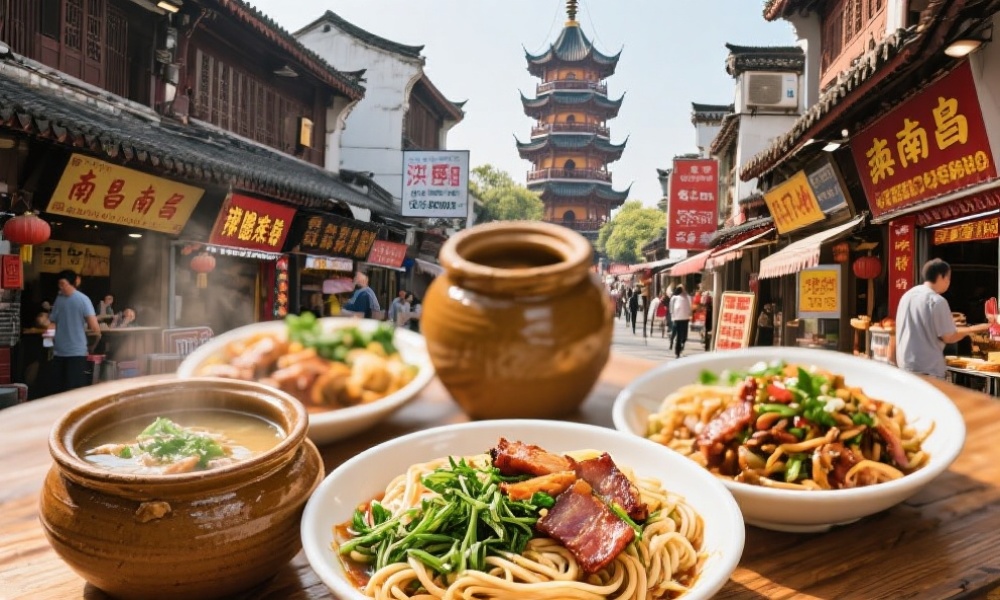
Nanchang, an ancient city in southern China steeped in history, is not only the cradle of revolutionary heroes but also an important birthplace of Jiangxi cuisine. Its food is characterized by its "fragrant, spicy, fresh, and mellow" flavors, blending the abundance of fish and rice from Poyang Lake with the unique tastes of the southern Jiangxi mountains. Only by stepping into Nanchang and exploring its streets and alleys can one truly appreciate the essence of its cuisine.
Must-try signature dishes list
Nanchang boasts a rich culinary culture, and the following dishes are essential for experiencing the flavors of this city:
Earthenware Pot Soup: As a signature dish of Nanchang and even Jiangxi Province, earthenware pot soup is famous for its unique cooking method. High-quality ingredients such as pork ribs, chicken, pork belly, and lotus root are placed in a small earthenware pot with purified water. The pot is then placed inside a larger earthenware vat and simmered over a low charcoal fire for several hours. The resulting soup is clear and rich, showcasing the original flavors of the ingredients and offering nourishment. Common varieties include pork rib and lotus root soup, mushroom and chicken soup, and pork belly soup, all with a mellow taste and a lingering aftertaste.
Nanchang Mixed Rice Noodles: The Soul of the Breakfast Table. Made with fine rice noodles from high-quality early-season indica rice, the noodles are cooked, drained, and then quickly mixed with peanuts, dried radish, chopped green onions, special chili oil, soy sauce, sesame oil, and other seasonings. The rice noodles are chewy, smooth, and spicy, making them an indispensable delicacy for Nanchang locals. The essence lies in each family's secret chili oil and soy sauce recipe, each with its own unique flavor, worth savoring.
Nanchang Fried Rice Noodles: A rice noodle series that rivals mixed rice noodles. Rice noodles are quickly stir-fried over high heat with shredded meat, eggs, bean sprouts, and vegetables. The resulting rice noodles are distinct, fragrant, and have a dry, chewy texture. Common varieties include fried rice noodles with shredded meat and fried rice noodles with eggs, as well as upgraded versions with added green peppers and garlic sprouts, reflecting the "heavy oil and vibrant colors" characteristic of Jiangxi cuisine.
Stir-fried Artemisia annua with Cured Pork: A classic representative of Jiangxi cuisine. Artemisia annua is an aquatic plant unique to Poyang Lake, with a distinctive fragrance and slight bitterness. Stir-fried with Jiangxi's unique smoked cured pork, the savory aroma of the pork and the delicate flavor of the artemisia annua blend perfectly, resulting in a crisp and tender texture with an irresistible fragrance—a perfect accompaniment to rice or drinks. This dish fully demonstrates the Jiangxi people's respect for and skillful use of the original flavor of ingredients.
Steamed Pork Belly with Rice Flour: Use pork belly with skin, slice it, marinate it in a secret sauce, then coat it evenly with soaked rice flour before steaming. The steamed pork belly is fatty but not greasy; the rice flour absorbs the savory flavor of the meat juices, becoming soft, chewy, and flavorful, with a subtle aroma of rice and spices. It has a rich texture and is a staple dish for family banquets.
Huangshanghuang Braised Duck: Although it has developed into a nationwide chain brand, Huangshanghuang Braised Duck originated in Nanchang, where its unique braised flavor is loved by locals. The duck meat is braised in a secret sauce, resulting in a bright red color, firm texture, and a perfect balance of salty and sweet flavors, with a rich soy sauce aroma and a hint of spiciness. It is an excellent choice for a casual snack or as an addition to a meal.
Sweet and Sour White Radish: As a seemingly simple cold dish, sweet and sour white radish holds a place in Nanchang's culinary scene. White radish slices or strips are marinated with sugar, vinegar, salt, chili, and other seasonings. It has a crisp texture, a sweet and sour flavor that whets the appetite, and a slightly spicy kick that effectively cuts through greasiness. It's often served as a side dish with mixed noodles or stir-fried noodles.
Local favorites for food
To discover authentic Nanchang cuisine, the key is to avoid tourist hotspots and immerse yourself in the local community:
Shengjinta Food Street: Located within the Shengjinta Historical and Cultural District, it is one of Nanchang's well-known food streets. It gathers numerous time-honored brands and local delicacies, offering a wide variety of dishes from clay pot soup and mixed noodles to various barbecues and desserts. Although increasingly popular with tourists, many locals still frequent the shops, creating a lively atmosphere and making it a great place to experience night market culture. It is recommended to visit on weekdays to avoid peak crowds.
Wanshou Palace Historical and Cultural District: After renovations and upgrades in recent years, the Wanshou Palace district has preserved its historical charm while introducing many new dining options. Here you'll find both elegantly decorated specialty restaurants and numerous traditional snack shops hidden in the alleyways. While exploring the ancient buildings, take a few extra steps; you might just discover some delightful local flavors.
Fuzhou Road, Ruzi Road, and the surrounding alleys: These two areas are the old city center of Nanchang, full of local life. Hidden along the streets and in the surrounding alleys are many unassuming, hole-in-the-wall restaurants beloved by locals. These small eateries often specialize in a few signature dishes, offering authentic flavors at affordable prices, making them ideal for experiencing Nanchang's everyday food culture.
Unnamed Shops in Residential Areas: Scattered throughout the older residential areas of Nanchang are numerous small restaurants and breakfast stalls run by locals. These shops are usually simple, but the food is authentic and they are the first choice for locals to have their daily meals. Pay attention to which shops have long queues and many local accents; you can often find truly delicious food there.
Tips for avoiding overpriced and overpriced shops and tourist attractions
When looking for food in Nanchang, be especially careful to avoid some potential pitfalls:
Identifying "Instagrammable" Restaurants: Many trending restaurants that go viral on social media often focus on store decor and product packaging, but the taste may not be as amazing as advertised, and they may even lose their local character in order to cater to popular tastes. The criterion is: if a restaurant's customers are mostly young people taking photos and there are few local accents, be cautious. Genuine established brands and local shops usually prioritize taste and service over flashy marketing.
Premium pricing around tourist attractions: Restaurants near any tourist attraction are generally more expensive than the city center average, and the taste may be adjusted to cater to tourists. For example, near core scenic spots like Tengwang Pavilion and Bayi Square, while there are many dining options, the value for money is generally not high. It is recommended that after visiting the attractions, you walk or take public transportation to nearby residential areas or old streets for a better experience and more reasonable prices.
Observe the local foot traffic: This is the most direct and effective way to judge. If a restaurant is frequented by locals, especially during off-peak hours, it is likely to be a reliable and delicious establishment. Conversely, if a restaurant is deserted or only has a few tourists, one should be wary.
Ask for local recommendations: Don't be shy about asking locals for advice, such as taxi drivers, hotel receptionists, and street shop owners. They can often provide the most authentic and genuine dining recommendations, helping you avoid making a bad choice.
Avoid overly long menus: Authentic specialty shops or long-established restaurants usually have concise menus, featuring a few signature dishes. This indicates that the restaurant focuses on its area of expertise. Restaurants with overly long and varied menus often struggle to guarantee the quality of each dish.
In Nanchang, food is not only a treat for the taste buds, but also a microcosm of the city's lifestyle. Slow down and use your taste buds to experience the vibrant life of this city.