
These 8 hidden gems in Liuzhou are ones I visited three times before recommending (not the internet sensations).
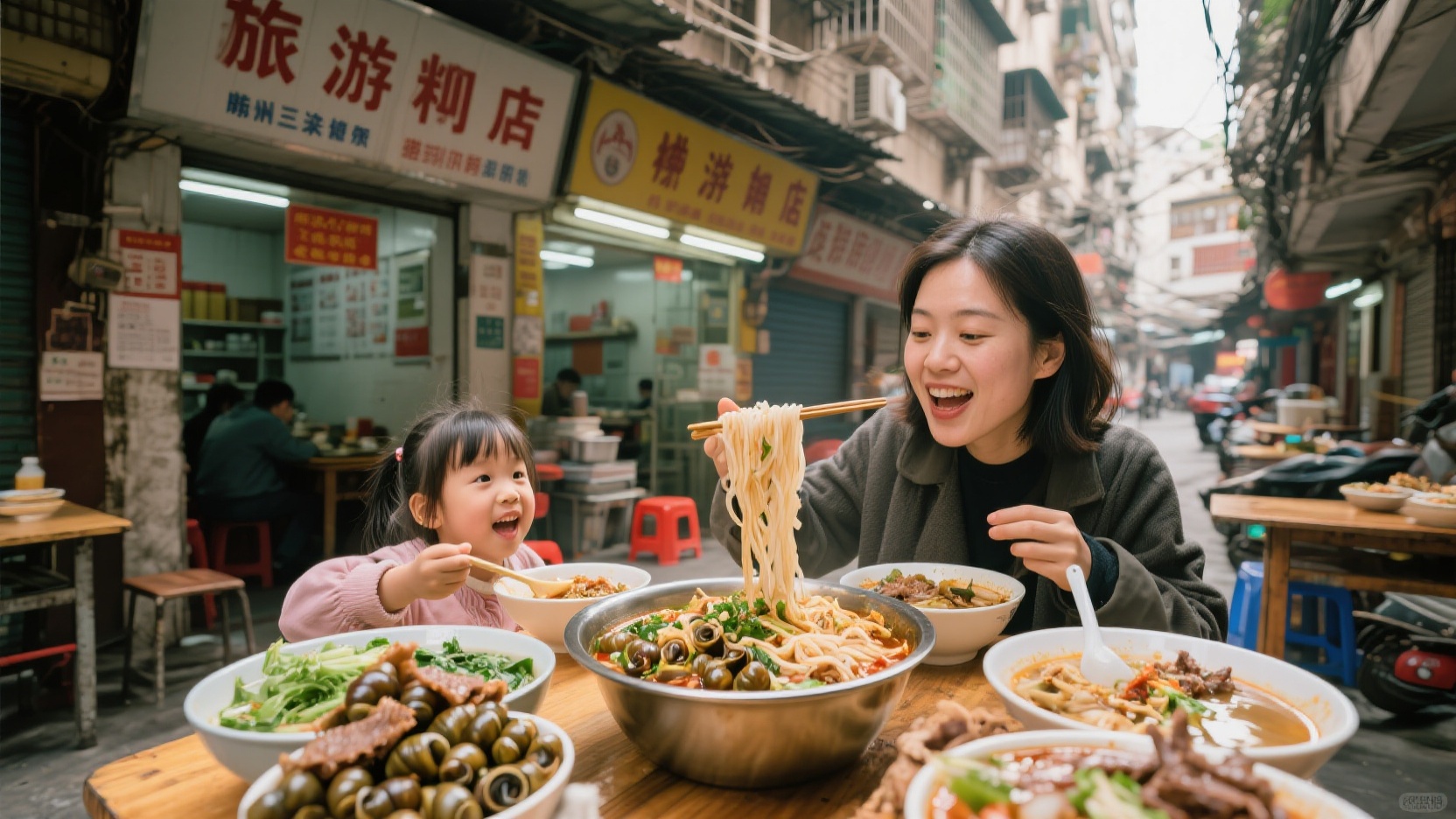
After exiting Liuzhou Station on my third trip, I deleted all the so-called "must-eat" lists I had saved on my phone. My first two trips had taught me one thing: the true culinary secrets of Liuzhou are hidden in the faded signs of old neighborhoods and stalls that only operate for half a day. None of the following eight restaurants do any marketing, and there are only a few scattered reviews from locals on review apps, but each one is a personal gem I discovered after staking out the area for days and sharing a table with local gourmets.
I will organize the information into four categories: morning market, main meals, late-night snacks, and desserts. For each stall, I will specify what to order and what you can buy nearby. At the end, I will include three tips to avoid common pitfalls.
Early morning rice noodle and rice roll markets: Don't sleep in, the market is in full swing before 10 am!
Outside an old factory dormitory in Liubei, there's a rice noodle stall that only operates for morning and lunch. A few plastic stools, a large pot—the rice noodles are poured directly into boiling water through a strainer, resulting in a more glutinous and flavorful texture than regular rice noodles. The owner is from Rongshui, and he's generous with the pickled bamboo shoots and chopped pickled mustard greens. I only managed to catch it on my third visit, because the first two times I arrived at 10:30, the fried sugarcane was already sold out. Order a serving of rice noodles and a serving of freshly fried sugarcane—crispy balls made by wrapping minced meat in pork caul fat and frying them until they're juicy. Those who know their stuff will also add a spoonful of the perilla and chili water from the side, which enhances the flavor even more than just soup. Turning left outside, there's a stall that only operates for mornings, selling glutinous rice balls rolled in soybean powder, served hot in small paper bags. Eating these while waiting for the rice noodles is a standard meal for nearby students.
Behind Yufeng Mountain, in an old alley, there's a rice noodle roll shop that makes a strong aroma of rice, steaming and rolling it fresh to order. Their signature dishes are taro cake rice noodle rolls and dew-infused glutinous rice balls. The taro cake is cut into chunks, pan-fried until crispy, then wrapped in the rice noodle rolls, drizzled with tomato sauce and crushed peanuts—a delightful blend of sweet and savory. The dew-infused glutinous rice balls are savory, filled with pork and wood ear mushrooms, with a thick, chewy skin, and a sprinkle of pepper in the broth. Grab a bowl of sesame paste or a bag of rock sugar syrup nearby for a complete afternoon tea.
Cold Beef Offal Salad and Beef Offal Hot Pot: Follow the sound of slippers, the older the better.
In a corner on the second floor of an old market in Liunan, there's a cold offal stall that only locals would find. Beef tripe, honeycomb tripe, beef trachea, and fatty beef are blanched and then tossed in chili oil and celery—a tangy, spicy, and slightly sweet flavor that isn't overly salty. How to order: First, buy half a jin (250g) of offal to mix, then order a serving of rice noodles as a base; after finishing the offal, pour the rice noodles into the chili oil and mix until they're fully soaked in the broth. There's also an old-fashioned milk pudding stall near the market entrance; chilled, it's perfect for cooling down after a spicy meal, and the milk skin is so thick you can stand chopsticks upright in it.
The beef offal hot pot place downstairs in the residential building has a homemade fermented chili sauce broth that makes your mouth water the moment you walk in. The sign says raw beef offal is sold by weight; you have to tell the owner beforehand to reserve the bone marrow and brain. How to order: first, cook the beef shank and heart, then add the bone marrow, and finally, add the pickled taro shoots. The broth gets sweeter the longer it cooks, so don't add water too soon. At the alley entrance, there's a grilled fish stall that only serves late-night snacks. They grill the fish over charcoal, stuffing the belly with chopped pickled bamboo shoots, creating a hot and charcoal-fired late-night combination with the beef offal hot pot.
Snail and duck feet stew and late-night snail cooking: the later it gets, the more fragrant it becomes, but don't go too late.
Next to a bicycle shed in an old residential area, there's a duck feet hot pot shop that doesn't advertise at all. The duck feet are first fried and then stewed, falling off the bone in no time; the dried bean curd and taro soak up the snail broth and are even more popular than the meat. Ordering: One pot for two people, plus an extra serving of taro and fried bean curd, and a side of pickled radish to cut the richness. The mung bean soup stall next door makes a creamy, sandy soup with dried tangerine peel, served after 5 pm; chilled, it's a perfect accompaniment to the spicy duck feet hot pot.
Beside the riverside slope, there's a snail stall that only opens after 10 PM, operating from a tricycle with just one lamp. The snails are river snails, and the broth is clear and flavorful, without any murky red oil. The recommended order is a bowl of boiled river snails with pickled bamboo shoots, and a side of blanched pork lung, all dipped in soy sauce and chili peppers. Next door, there's an old man who stir-fries rice noodles; his noodles are stir-fried with lard, full of wok hei (the smoky aroma imparted by a hot wok), a perfect match for the boiled snails. Neither of these stalls has any roadside billboards; you can find them by following the sound of slippers.
Traditional sweet soups and glutinous rice snacks: 4 PM is the prime time for the neighborhood's long-established shops.
In an old alley behind a vegetable market, an elderly woman has been selling savory glutinous rice balls and bean flour buns for over thirty years. The savory glutinous rice balls are large; four are enough to fill you up. The filling is pork, wood ear mushrooms, and dried shrimp, and the broth is sprinkled with pepper. The bean flour buns are freshly made, with a glutinous rice skin wrapped around sesame seeds, peanuts, and sugar, then rolled in roasted soybean flour. They harden when cold. Recommended order: a little of both savory and sweet. Eat the glutinous rice balls while they're hot, and don't keep the bean flour buns overnight. In the same alley, there's a stall selling hollow fried dough, sprinkled with white sugar—crispy but not greasy—you can buy those too.
There's a stone-ground sesame paste shop where sesame seeds and peanuts are ground separately and then cooked in a copper pot. The paste is half black and half white, so thick you can draw characters on it. A bowl of hot sesame paste with a steamed egg is the perfect afternoon tea in old Liuzhou. Across the street is a sour soup shop where green mangoes, radishes, and green beans are pickled in rock sugar vinegar—sweet, sour, and crunchy. You can take a bag home as a souvenir.
After three visits, my biggest takeaway is that the truly delicious food in Liuzhou is often not on the list, but rather found in the dedication of the owners who focus on just one thing. If you only have one day, I recommend the morning rice noodles with roasted sugarcane, the afternoon cold beef offal salad, and the late-night boiled snails. If you're traveling with elderly people or children, traditional sweet soups and beef offal hot pot are safer bets.
First rule to avoid these pitfalls: Don't go during peak meal times. These established stalls have limited stock, so there are long queues and they tend to sell out quickly. It's best to go half an hour after they open or forty minutes before they close. Second rule: Don't just order the signature dishes. Rice noodles without roasted sugarcane are like a wasted meal; the soul of cold offal salad lies in the final sliced rice noodles; and boiled snails are best served with stir-fried rice noodles. Third rule: Remember to bring cash. At least half the stalls only accept cash or local payment codes. On my third visit, I managed to get by with just a few loose change.