
Springs and Cultural Heritage: A Journey to Explore Jinan's Humanities and Arts
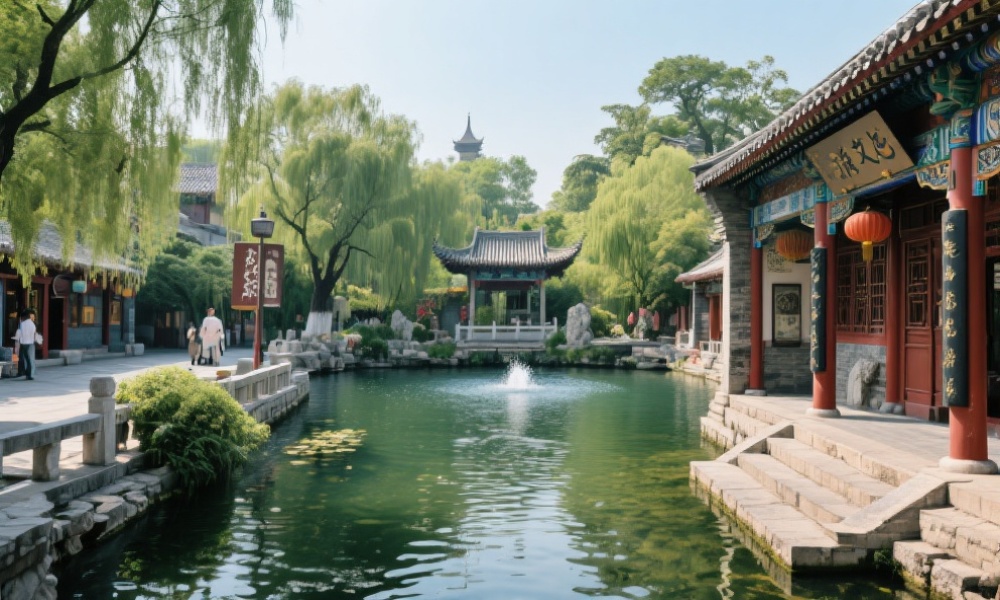
Jinan, known as the "City of Springs," boasts a unique cultural fabric where natural scenery and rich history intertwine. This article plans a slow-paced route centered on in-depth cultural experiences for travelers seeking to explore the essence of Jinan's culture and art. It aims to guide you beyond traditional sightseeing tours, allowing you to immerse yourself in the city's profound historical heritage and artistic charm.
Tracing the Origins of Qilu Culture: Shandong Provincial Museum
Embark on a cultural and artistic journey through Jinan, with the Shandong Provincial Museum as your first stop. As one of China's first batch of national first-class museums, it serves as a window into the Qilu civilization. Its rich collection, ranging from Neolithic Longshan Culture black pottery to Qilu bronzes from the Spring and Autumn and Warring States periods, to Han Dynasty portrait stones and Northern Dynasties Buddhist sculptures, showcases the long and glorious history of Shandong. Particularly noteworthy is the Longshan Culture exhibition hall, where exquisite black pottery vessels, as thin as eggshells and with a mirror-like sheen, represent the pinnacle of prehistoric pottery making, reflecting the remarkable aesthetics and skills of our ancestors. The Han Dynasty portrait stones, with their vivid imagery, depict the various aspects of life, myths, and philosophical concepts of Han Dynasty society. Here, you can not only see precious artifacts but also, through them, touch the inclusive and profound cultural lineage of Qilu culture, laying a solid foundation of historical understanding for the rest of your journey.
Poetic Springside: Baotu Spring and Li Qingzhao Memorial Hall
Stepping away from grand historical narratives, we enter the urban fabric of Jinan. Baotu Spring, known as the "Number One Spring Under Heaven," is the soul of Jinan, its ceaselessly gushing waters representing its very essence. However, the cultural significance of Baotu Spring extends far beyond this. The Li Qingzhao Memorial Hall, located within the park, is an important place to trace the life and works of the Song Dynasty female poet Li Qingzhao. Li Qingzhao, a master of the graceful and restrained style of poetry, left a profound mark on the history of Chinese literature with her delicate brushstrokes and sincere emotions. Inside the memorial hall, through the exhibited documents, artworks, and sculptures, you can gain a deeper understanding of her turbulent yet resilient life, and how she integrated her personal fate and patriotic sentiments into her poems. Strolling along the spring, imagining Li Qingzhao composing poems by its banks, the murmuring water seems to resonate with her lines, "Searching and searching, so cold and desolate, so sad and miserable," allowing you to feel the fusion of nature and literature and experience the unique poetic charm and spirituality of Jinan.
Confucian values: Jinan Prefectural Confucian Temple
Shandong is the birthplace of Confucian culture, and the thought of Confucius has profoundly influenced Chinese civilization. The Jinan Confucian Temple, as an ancient official school and place of worship for Confucius, carries the rich Confucian cultural tradition of Jinan and even the entire Shandong region. The temple complex is solemn and dignified, with red walls, glazed tiles, and flying eaves, showcasing the elegance and wisdom of traditional architecture. Here, you can visit major buildings such as the Dacheng Hall and the Chongsheng Shrine to learn about the ancient imperial examination system, Confucian educational philosophy, and its practice in society. The Confucian Temple is not only a place of worship but also a center for the dissemination of Confucian thought. Through a visit to the Confucian Temple, you will have the opportunity to gain a deeper understanding of how the core Confucian values of "benevolence, righteousness, propriety, wisdom, and trustworthiness" shaped the spirit of the Chinese nation and their modern significance in contemporary society. This is an ideal place to experience the immersion in Confucian culture and understand the essence of traditional education.
Spring Water Villages: Qushuiting Street and the Charm of the Old Town
In Jinan's cultural and artistic journey, Qushuiting Street is a must-visit for experiencing the unique lifestyle aesthetics of this "City of Springs." This street, named for its meandering springs, is a true reflection of the scene described by Lao She in his novel "Winter in Jinan," where "a clear stream flows in front of every household." Strolling along Qushuiting Street, you'll see rustic houses built along the springs, small bridges spanning flowing water, and willows swaying in the breeze—it's like stepping into a flowing painting. Here, there's no hustle and bustle, only the babbling of springs and the daily lives of the residents. Teahouses, calligraphy and painting shops, and handicraft workshops along the street add a rich cultural and artistic atmosphere to this ancient street. You can choose to relax in a teahouse, sip tea, admire the springs, and experience the leisurely and elegant pace of life of Jinan people; or you can visit the artisans hidden deep in the alleys, observe their creative process, and learn about the inheritance of traditional skills. Qushuiting Street is not only a historical imprint but also a living cultural heritage, showcasing the unique lifestyle of Jinan people who coexist with water and enjoy art.
Intangible Cultural Heritage Transmission: Exploring the Traditional Crafts of Jinan
A cultural and artistic journey through Jinan wouldn't be complete without exploring its intangible cultural heritage. While specific locations for these experiences may vary over time, Jinan boasts a wealth of intangible cultural heritage resources, such as Lüju opera, shadow puppetry, Jinan dough figurines, and paper cutting. Visitors are advised to pay attention to information on intangible cultural heritage activities released by the Jinan Municipal Cultural Center, district cultural centers, or local tourism departments, or to make advance reservations at the studios of relevant intangible cultural heritage inheritors. For example, Jinan dough figurines are renowned for their vivid shapes and vibrant colors; inheritors can mold dough into various figures and animals with remarkable lifelikeness. Jinan paper cutting, on the other hand, showcases unique regional characteristics with its exquisite composition and delicate knife work. By participating in an intangible cultural heritage experience course, whether you create a dough figurine yourself or learn paper cutting techniques, you will have the opportunity to get up close to these ancient art forms, feel the warmth and charm of traditional craftsmanship, and understand the inheritors' dedication and innovation. This is not only an artistic experience but also a cultural journey that engages with history and resonates with the spirit of artisans.
A cultural and artistic journey through Jinan is an in-depth exploration of history, literature, philosophy, and folk customs. It invites you to slow down and appreciate every detail of this city of springs, from the grand narratives of museums to the everyday poetry of its streets and alleys, from ancient Confucian wisdom to vibrant intangible cultural heritage. Every pause, every glance, will open a window for you to understand Jinan and Chinese culture. May you find a unique cultural and artistic experience in Jinan and take away profound and beautiful memories.