
How to choose the best food in Jiaxing? First, see which category you belong to.
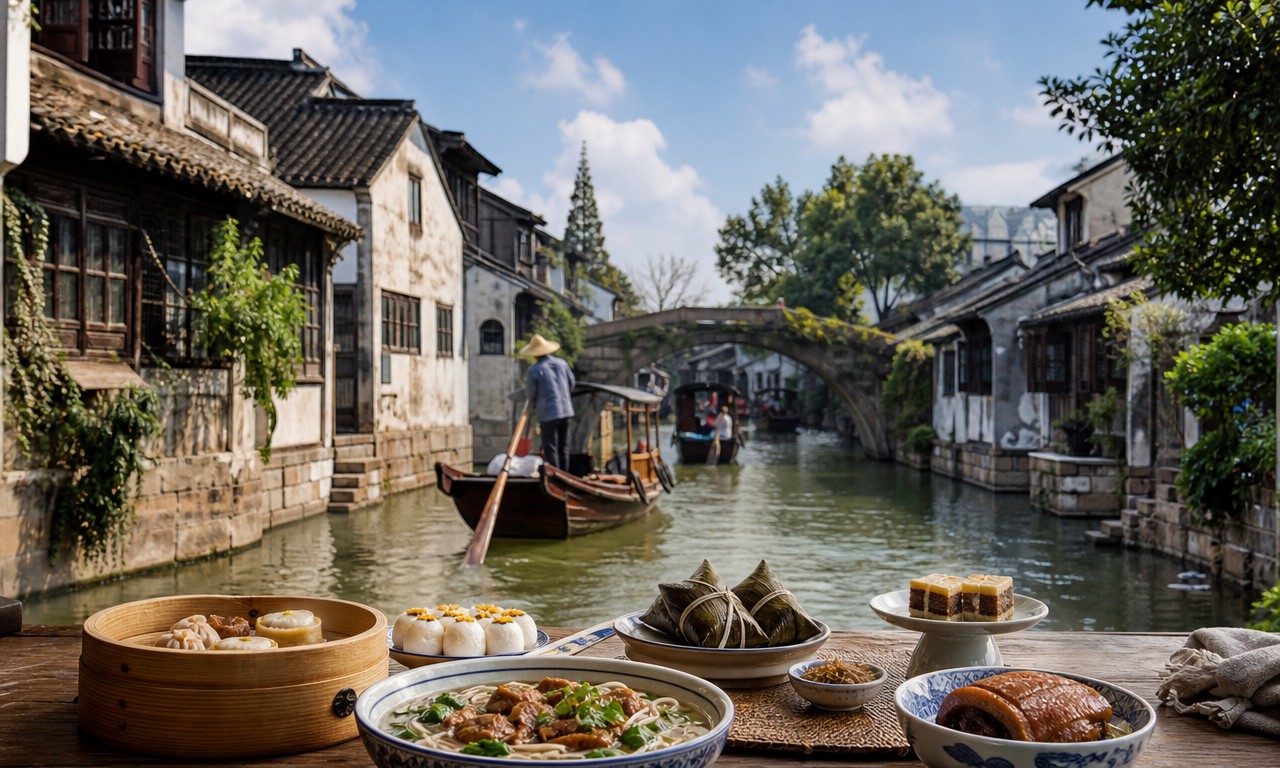
When exploring food in Jiaxing, the biggest mistake is using the same list for everyone. This article aims to answer the core questions: Are you only planning to eat one meal or a full day? Are you traveling alone or with your parents? Are you staying in the city center or near the high-speed rail station? What types of restaurants should you choose, what dishes should you order, and in what order? Why is this worth answering carefully? Because Jiaxing's snacks and main meals are scattered across different streets and at different times. Blindly following trends will easily leave you exhausted and unable to experience everything. Below, we've categorized the options by duration, travel companions, budget, and area of stay, helping you find the perfect fit.
Branch 1: First, set the tone based on the number of days; a single meal, a single day, and three days will completely differ.
Only one meal: Judge – don't aim for "all," aim for "right." I recommend going to the Yuehe Historical District or Meiwan Street area and choosing a restaurant that offers representative Jiaxing dishes. Three must-orders: braised duck, steamed whitebait, and stir-fried snails in soy sauce. If you can only choose one restaurant, choose a mid-range local restaurant frequented by locals for banquets, not a tourist trap. Reason: One meal is only enough time to experience the "sweet, salty, and savory" essence of Jiaxing cuisine.
One day: You can manage a segment each for breakfast, lunch, and dinner. For breakfast, go to a shumai shop in the Xiexi Street or Yangliuwan area and order bamboo shoot and pork shumai with a bowl of soy milk. For lunch, go to a shop with an open kitchen for steamed dishes and order water chestnuts, steamed double-stinky tofu, and tofu skin buns. Leave dinner for Yuehe or Luxihui and have braised duck and whitebait. After dinner, take a walk along the river. You don't need to go to any "food courts" on this day.
Three days: You can include surrounding towns and streets. Day 1: City center; Day 2: Xincheng or Wangdian; Day 3: Back to the city center to finish what you missed. Xincheng's mutton noodles and Wangdian's boat dishes are irreplaceable in the city. Judgment: It's only worthwhile to travel to a town for "one dish" within three days; don't cross towns within a day, otherwise you'll spend all your time on the road.
Branch Two: Adjust the pace and preferences according to the people you're traveling with; different options apply to solo travelers, couples, travelers with parents, and travelers with children.
Solo: Offers the most freedom and is perfect for exploring the streets. It's recommended to start around Yangliuwan Market, buying a little of each of the following: shumai, begonia cake, and radish cake, to eat as you walk. Criteria: Skip any food stalls with queues exceeding 15 minutes; waiting alone is not worthwhile. Focus on stalls where you can buy items individually; avoid restaurants that require ordering a whole table's worth.
For couples: A "semi-formal, semi-food" approach is suitable. At lunchtime, find a mid-range restaurant with window seats or riverside seating and order braised duck, steamed fish, and water chestnuts from Nanhu Lake. In the evening, go to Yuehe River to buy stinky tofu and Dingsheng cake, sharing them as you walk. Reason: Couples appreciate the ambiance, but their appetites are limited, so ordering too many elaborate dishes is not advisable.
When traveling with parents: Prioritize restaurants that offer seating, hot soup, and mild flavors. Avoid trendy food stalls with long queues. For lunch, consider steamed dishes restaurants; the vegetables are soft, savory, and generally well-received by the elderly. In the evening, choose established local restaurants serving dishes like braised duck, whitebait, and steamed double-stinky tofu. If your parents don't eat the double-stinky tofu, you can substitute it with stir-fried vegetables and tofu skin rolls. The key takeaway: When traveling with parents, it's not about "eating local specialties," but rather "eating comfortably with a touch of local flavor."
When taking children out: Prioritize "quick, hot, not spicy, and with a main dish." Shaomai, wontons, and begonia cakes are safe choices. Avoid taking very young children to long-lined stalls, and don't order strongly flavored dishes like steamed double-stinky dishes. For lunch, find a restaurant in a shopping mall with high chairs or a chain of local Shanghainese restaurants. Finish the meal with a bowl of noodles or wontons in the evening.
Branch Three: Divided by budget, with options for affordable, mid-range, and high-end dining.
Affordable: Affordable in Jiaxing doesn't mean "cheap goods are no good," but rather that snacks are treated as main meals. You can eat very well for just a few dozen yuan per person. Suggested itinerary: Breakfast: shumai and soy milk; Lunch: a bowl of mutton noodles or large wontons; Afternoon: begonia cake and radish pancakes; Evening: buy braised duck and other braised dishes from the market to eat with rice. Judgment: The affordable route relies on markets and residential areas, not the main streets of tourist attractions.
Mid-range: Around 100 RMB per person, this is the safest option in Jiaxing. You can go to restaurants where locals host family banquets and order dishes like braised duck, whitebait, water chestnuts, and tofu skin rolls—three dishes and a soup, just right for two people. The appeal of mid-range restaurants lies in the fact that you can sit down and eat at your own pace, and you'll be ordering authentic Jiaxing cuisine. They offer more ambiance than budget restaurants but less formality than high-end restaurants.
High-end: In Jiaxing, high-end dining isn't about piling on seafood, but rather about enjoying "boat cuisine" or "private kitchen dishes." These restaurants are often located near Nanhu Lake or Luxi Hui, serving dishes individually or as sets, featuring combinations of water chestnuts, river delicacies, and seasonal vegetables. Judgment: High-end dining is only suitable for those interested in "local culinary culture." If you just want to be full, mid-range is more practical. It's an option for bringing important guests or celebrating anniversaries, but don't expect anything "wow"; it's more about "enjoying a decent local meal."
Branch 4: Determine the first meal based on the area where you are staying; the options vary depending on whether you are staying in the city center, near the high-speed rail station, or driving overnight.
If staying in the city center (Yuehe, Meiwan Street, Shaonian Road area): For your first meal, go directly to Yuehe or the surrounding alleys; no need to take a taxi. You can also take a walk after dinner to digest. Decision: If staying in the city center, plan your meals within walking distance; don't cross half the city just for a restaurant.
Staying near a high-speed rail station: Don't have high expectations for the surrounding restaurants. The area around the station is mostly chain fast food; the truly worthwhile eateries are in the city center. If you're only staying one night, it's recommended to take a taxi into the city for a mid-range local meal, and then bring back some braised duck for a late-night snack. In short: When staying near a high-speed rail station, "transportation costs" must be factored into your food budget; otherwise, you're likely to settle for whatever's nearby.
If you're driving or staying in a guesthouse near the scenic area: you can arrange dinner near Luxi Hui or Nanhu Lake for easy return to your accommodation afterward. The next day, you can drive to Xincheng for mutton noodles – this is the biggest advantage of driving. Note: Driving allows you to "drive all the way to a town just for a dish," but be careful with parking. The alleys in the old town are narrow, so check nearby parking lots in advance.
Regardless of your preference, the core of Jiaxing cuisine lies in "savory sauces, fresh river seafood, seasonal ingredients, and the atmosphere of a bustling market." First, determine your number of days, your companions, your budget, and your accommodations, then match your choices accordingly—this is more reliable than any fixed list.