
A Day in Qingcheng: Local Flavors from Shaomai and Morning Tea to Spicy Baked Buns for Late Nights
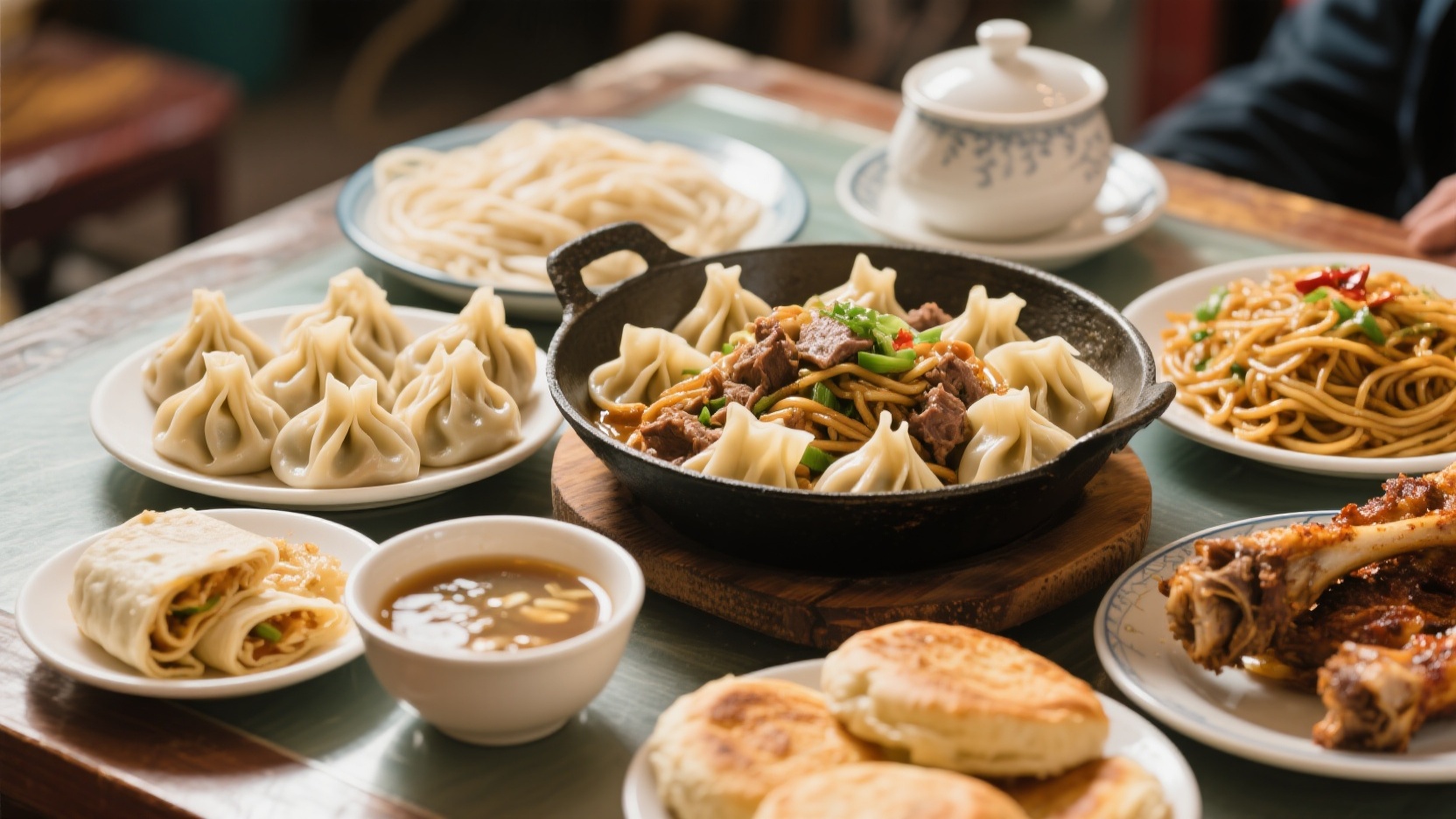
A true culinary map of Hohhot isn't just a list of recommended restaurants in tourist areas. The real way to understand this "Green City" is to follow the locals' daily routine: a hearty, high-calorie breakfast to ward off the chill, a hearty bowl of oat noodles and braised noodles to replenish energy at noon, a brief respite in the afternoon with dairy products and fruit soups, and a late-night finish with spicy and savory dishes. Located on the southern slopes of the Yin Mountains, Hohhot experiences long winters and significant temperature differences between day and night. Its cuisine leans towards high-calorie and long-lasting foods, influenced by the migration of people from Shanxi and Shaanxi westward, the Mongolian dairy tradition, and the Hui Muslim customs. Below are eight representative everyday dishes arranged chronologically, each corresponding to the local climate, produce, and pace of life.
7:00 AM: Lamb shaomai with brick tea, lamb offal soup to warm the stomach and start the day.
In the early morning in Hohhot, the steamers of shaomai (steamed dumpling) shops are up and running before most other shops. Locally called "shaomai," the wrappers are made with high-gluten flour from the Hetao region and eggs, kneaded until rested, and then rolled into a lotus leaf shape, thicker in the center and thinner around the edges. The filling consists only of lamb leg meat, scallions, and ginger, with a small amount of Sichuan peppercorn water added to remove the gamey smell; no glutinous rice is added—this is the most fundamental difference between shaomai and those from the south. Steamed over an open flame for about eight minutes, they emerge shaped like pomegranates. Biting into one first allows you to savor the lamb juice, then enjoy the chewy outer skin; the lamb is tender and juicy, bursting with the aroma of scallions. Old Hohhot residents have a habit of having "two ounces of shaomai and a pot of tea" for their morning tea; brick tea cuts through the richness and also forms a morning social gathering. Also appearing around the same time is lamb offal soup: lamb heart, liver, lungs, and stomach are cleaned, boiled until just cooked, then shredded, returned to the pot with the original broth, chili oil, and potato strips, and simmered over low heat to transform the offal flavor into a mellow richness. The taste is spicy but not overpowering, the broth has a slightly grainy texture, and it's even more filling when eaten with baked buns. Taxi drivers and vegetable vendors often sit in the offal restaurants at five in the morning, serving as the first source of energy for the city's working class.
Lunchtime: Oat noodles and braised noodles in an iron pot dominate the staple food scene.
By noon, noodles are almost indispensable on the tables of Hohhot residents. Oat noodles, made from Wuchuan oats, require three cooking processes: stir-frying, scalding, and steaming. After mixing the dough with boiling water, it's rolled into thin sheets on a stone slab, then rolled into a cylinder and steamed for five minutes. Oat noodle dumplings, also known as "oat noodle kaolao," have a chewy texture and a slightly bitter oat aroma. Served with a cold soup made from cucumber, persimmon, minced garlic, and vinegar, it's a common summer lunch; in winter, it's served with mutton soup. Oat noodles are easy to digest; there's a local saying, "Thirty li of oat noodles, forty li of cake," directly illustrating its high satiety value in the cool, high-altitude agricultural region. Iron pot braised noodles, on the other hand, lean towards the Bayannur style. Pork ribs are stir-fried until the oil is rendered, then green beans and potatoes are added and stir-fried again. Water is added, and when the soup is reduced to half-dry, hand-pulled noodles are placed on top, the pot is covered, and the noodles are simmered until cooked. Sprinkle minced garlic before boiling; the noodles are oily and chewy, the potatoes are soft and fluffy, and the dish is a one-pot meal that combines efficiency and a hearty meal, making it a popular choice for family and work meals.
3 PM: Thin fruit soup and milk skin rolls are the sweet buffer for the people of Qingcheng.
Afternoon desserts don't rely on elaborate presentation, but rather on locally sourced ingredients. The thin fruit syrup is made by pitting and chopping dried apricots, persimmons, and hawthorns, then simmering them with rock sugar until the fruit is soft and mushy. It's then cooled and chilled until it's thick enough to cling to a spoon. The ingredients largely come from the traditional dried fruit traditions of the southern foothills of the Daqing Mountains, resulting in a sweet and sour, icy treat with fruit fibers—a local alternative to milk tea. The milk skin rolls reflect the city's dairy heritage: fresh milk is boiled and repeatedly stirred, then cooled to remove the solidified milk skin. This skin is then dried slightly, rolled with roasted rice, white sugar, or honey, refrigerated to set, and cut into sections. The outer layer is creamy and smooth, while the inner layer is crispy with roasted rice. This pastoral tradition has been adapted for urban afternoon tea. These two snacks, one sweet and one sour, provide a pleasant sensory buffer between lunch and dinner.
10 PM: Spicy baked buns and roasted lamb trotters deliver a powerful culinary experience for the night.
The late-night eateries of Hohhot aren't about fancy cuisine, but rather charcoal grilling and chili oil. Baked buns, originally a breakfast staple, are transformed into "spicy baked buns" at night: Chinese cabbage, potato slices, and gluten are stir-fried in chili oil slowly rendered from Tuoxian chilies. First, scallions and garlic are sautéed, then the vegetables are added and stir-fried over high heat, stuffed with a split baked bun, and drizzled with chili oil. The outer layer is crispy and soft, the inside crunchy, spicy, and juicy—a satisfying choice for students and night shift workers. Roasted lamb trotters are first braised and then roasted. The trotters are cleaned, blanched, and then braised in a broth with Sichuan peppercorns, star anise, chilies, and soy sauce until they become gelatinous and tender. They are then placed on a charcoal grill and repeatedly brushed with garlic juice and chili oil until the skin is slightly charred. The result is a crispy exterior and a chewy interior, with a sticky, gelatinous texture. People often enjoy them slowly with an ice-cold beer, completing the last taste release of the day.
From the steaming aroma of shaomai in the early morning to the charcoal fire of spicy baked buns late at night, Hohhot's daily meals are not about fancy techniques, but rather a solid logic shaped by the climate, local produce, and immigrant lifestyle. Spending a day eating with the locals will give you a general understanding of the culinary DNA of this border city.