
Hong Kong 48-Hour Walk | A Weekend Special Forces Experience: High-Density Check-ins in Central and Sheung Wan & Leisurely Stroll Through Sham Shui Po's Old Town
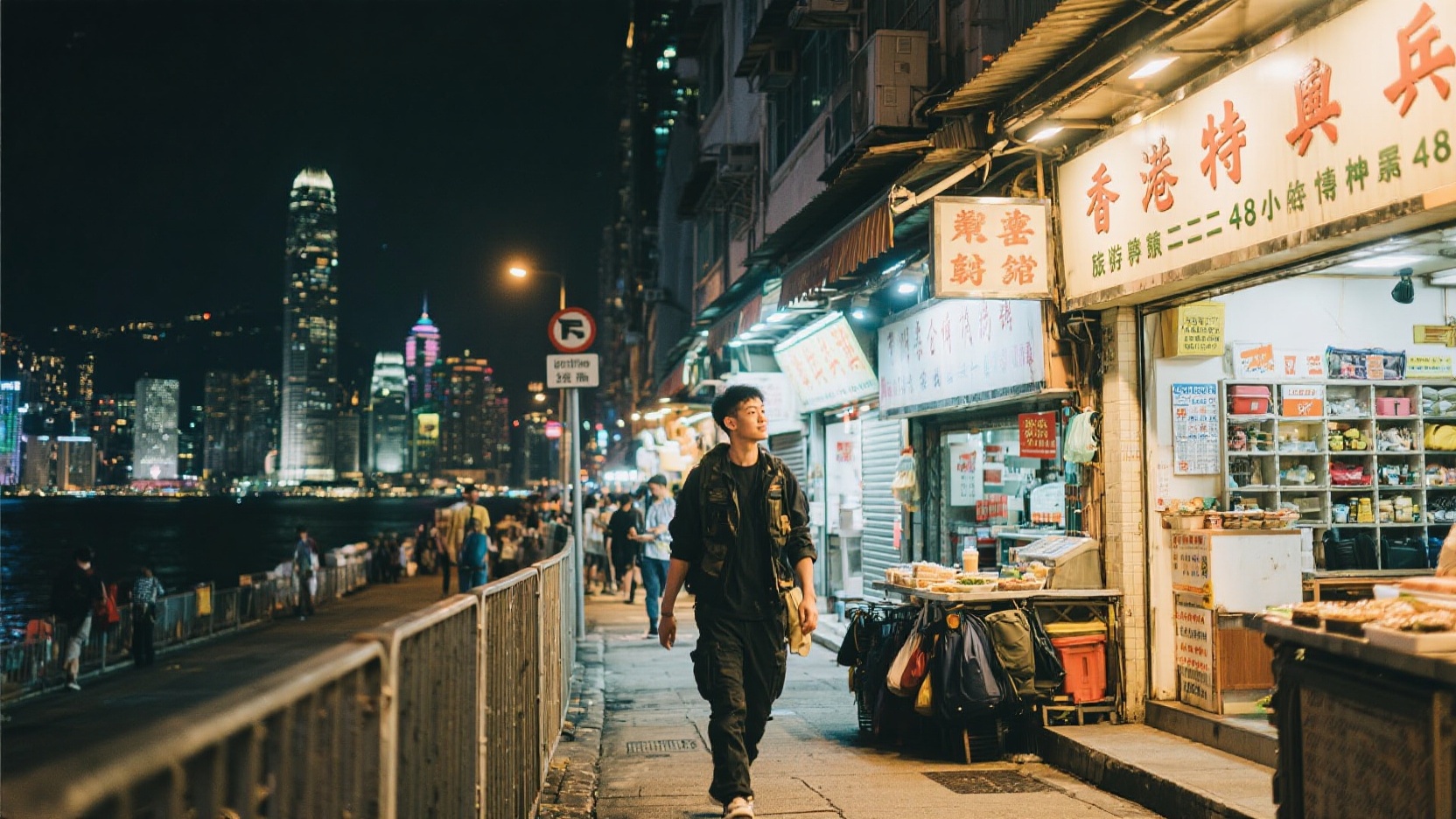
The biggest mistake in Hong Kong's "flash mob" style of travel is trying to do too much. If you want to visit landmarks and fully experience the local culture in a two-day, one-night trip, the core idea is to use the first day to walk through Central, Sheung Wan, and Tsim Sha Tsui, and then dedicate half a day to a deep exploration of Sham Shui Po's old town. By minimizing travel time and maximizing the density of experiences, 48 hours is enough to complete a memorable urban sampling trip.
Day 1: High-density tour of Central and Sheung Wan, then a transfer to Tsim Sha Tsui in the evening.
Starting from Central Station on the Island Line, head to the Central Market for breakfast. Renovated but retaining the old market's framework, it offers a wide variety of stalls, perfect for a quick bowl of noodles with egg and luncheon meat or a pineapple bun with milk tea. Afterwards, walk to Tai Kwun, where the former Magistrates' Courts and prison complex are open to the public free of charge. The early morning crowds make it ideal for photographing the architectural atrium and red brick walls. Next, cross Hollywood Road to PMQ, a design cluster converted from the former married police quarters. It's perfect for quickly browsing a couple of local boutiques without having to stop on every floor. The walking route from Tai Kwun to PMQ passes Hollywood Road's graffiti walls and antique shops; taking photos as you go is more natural than specifically looking for a good spot.
Have lunch in the Sheung Wan area, where there are many roast meat and clear broth pork belly restaurants. It's recommended to avoid the midday rush and arrive around 11:30 am to be seated. After lunch, walk along Des Voeux Road West towards Sai Wan and make a short stop at the Sun Yat-sen Memorial Hall or Sai Wan Ferry Pier. The Sai Wan Ferry Pier offers great views of the sea and the industrial feel of the unloading area, but it's very sunny at midday, so a 15-minute stop is sufficient.
Around 4 PM, take the MTR or Star Ferry to Tsim Sha Tsui. The Star Ferry is recommended; it's a short journey with great views, offering a high-value Victoria Harbour experience. On the Tsim Sha Tsui side, first visit the Hong Kong Museum of Art or K11 Musea to escape the heat, then walk along the waterfront promenade to the Avenue of Stars. After 6:30 PM, as the lights of Victoria Harbour begin to illuminate, walk from the Avenue of Stars towards the Cultural Centre; you can see the Central skyline and the regular lights of the Symphony of Lights across the harbor.
For dinner, you can stay in the Tsim Sha Tsui area and choose a tea restaurant or noodle shop to avoid wasting time returning to Hong Kong Island. If you still have energy, take the MTR to Mong Kok after 9 pm, stroll along Sai Yeung Choi Street South and Tung Choi Street, where neon signs are concentrated, do some quick night market photography, and then return to the hotel.
Day 2: A half-day in-depth exploration of Sham Shui Po's old town, experiencing the essence of Hong Kong daily life through a single street.
No need to rush to see attractions early the next day; arriving in Sham Shui Po around 9 am is sufficient. The tourist density here is much lower than in Central, making it more suitable for observing the everyday textures of Hong Kong. Exit from Exit A2 of Sham Shui Po Station and head to the Pei Ho Street area to see the wet market open. Vegetable vendors, butchers, and dried goods shops huddle under the arcades—the best time to photograph the everyday life of the people. Sham Shui Po's markets and shops mostly come alive after 10 am; arriving at 9 am allows you to grab a cup of soy milk or herbal tea from a street vendor before slowly venturing into the main street. These areas don't rely on landmarks for their appeal, but rather on continuous scenes of daily life: the iron gates on the ground floor of old tenement buildings, handwritten signs, and clotheslines of varying heights are all excellent subjects for photography.
For breakfast, choose a traditional rice noodle roll or cart noodles from Sham Shui Po. These shops are often hidden in the Municipal Building Food Centre or on street corners, with shorter queues and more local flavors. Afterwards, walk along Apliu Street and Kwai Lin Street. Apliu Street's secondhand electronics stalls and vintage goods have a "treasure hunt" feel, but it's not recommended to spend too much time haggling. Kwai Lin Street's fabrics and clothing accessories are suitable for tourists interested in handicrafts.
For lunch, you can eat near Fuk Wing Street, where pork liver noodles, shrimp roe noodles, and kaya toast are representative dishes. After lunch, walk to Mei Ho House Living Museum, a free mini-public housing museum that uses restored units to tell the story of Hong Kong's residential history; forty minutes is enough to see everything. If you are more interested in the suburbs, you can take a minibus to Sai Kung, but for a two-day trip, it is recommended to leave Sai Kung for another time, as the continuous walking experience in Sham Shui Po is more complete.
The itinerary ended around 3 PM, and we returned to the hotel to collect our luggage. Then we took the Airport Express or MTR to the airport or high-speed rail station. The overall pace was fast at the beginning and slowed down at the end. The second day felt more like a local's half-day stroll, without any feeling of being rushed or exhausted.
Useful Tips: Transportation Saving Cards, Packing Tips, and Avoiding Queueing Pitfalls
For saving money on transportation, prioritize buying an Octopus card upon arrival, which can be used on the MTR, buses, Star Ferry, and convenience stores. If you take the MTR frequently in a day, consider purchasing a Tourist Day Pass, which is more cost-effective than buying individual tickets. The Airport Express offers group tickets and same-day round-trip discounts; traveling together as a couple will save you money compared to single tickets. If you're staying on Hong Kong Island, prioritize the Star Ferry for trips to and from Tsim Sha Tsui, as it's cheaper and offers sea views.
Pack light. For a two-day, one-night trip, it's recommended to bring only one 20-inch carry-on suitcase or a large-capacity backpack. Choose well-broken-in walking shoes, as you'll be walking over 20,000 steps in two days. In summer, bring a folding umbrella, sunscreen, and a light jacket. Indoor air conditioning is strong, so a light jacket is more important than you might think in shopping malls and the MTR. Power banks and adapters are essential, as Hong Kong uses British standard sockets.
To avoid queuing pitfalls, remember three things: First, try to avoid the peak hours of the Peak Tram, Star Ferry, and popular tea restaurants, such as 12:00-1:00 and 6:00-7:30. Second, the Central-Mid-Levels Escalator goes up before 10:00 AM and down in the afternoon; going in the opposite direction will involve a lot more walking. Third, venues such as Tai Kwun and M+ may be closed on Mondays, so check the opening days before adding them to your itinerary to avoid disappointment.