
Harbin Hub Accommodation Guide | A List of High-Value Areas Within 2 Kilometers (A Must-Read for Overnight Arrivals/Early Morning Flights/Transfers)
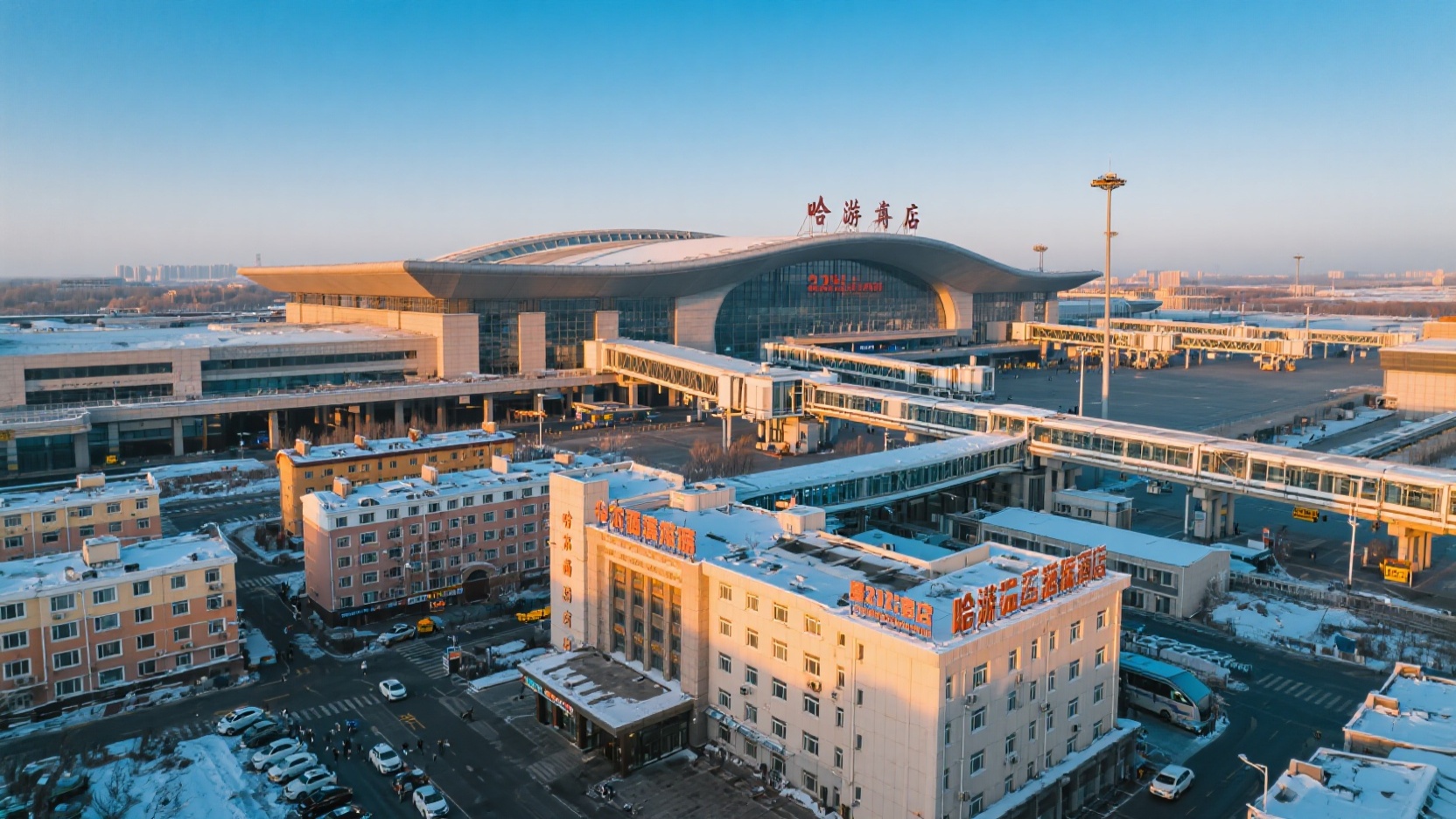
My experience finding accommodations around Harbin's transportation hubs is based on wading through temperatures as low as -20 degrees Celsius. One winter, I missed the last subway train at Harbin West Station and had to walk almost a kilometer along the ice to find an apartment that was still lit up. I've also been tricked by "free shuttle" offers near the airport, ending up paying extra for a late-night transfer. This article won't cover Central Street or trendy hotels; instead, it will break down the affordable accommodation areas within two kilometers of the four major transportation hubs: the high-speed rail station, the airport, the passenger transport center, and key transfer subway stations. It's perfect for those arriving late, taking early flights, or transiting through the city.
Harbin West Railway Station | Stay in the Wanda Plaza/Xicheng Red Square area of Harbin West Railway Station for hassle-free high-speed rail transfers
Harbin West Railway Station is a major high-speed rail station. The most convenient accommodation area within a two-kilometer radius is concentrated around Wanda Plaza and Xicheng Red Square. This area has a high density of chain hotels and serviced apartments, with shopping malls and fast food options downstairs, allowing for a quick hot meal upon arrival in the evening. From Harbin West Railway Station, it's about a 10-20 minute walk to the core area, or a 5-minute taxi ride. In winter, when roads are icy, taking a taxi is recommended, as the fare is just the starting price.
Metro Line 3 covers Harbin West Railway Station. The general operating hours are from 6:00 AM to 9:30 PM, but please check the station's announcements for specific times. If you arrive by the last high-speed train, the metro will likely stop running after 9:30 PM. Don't expect to drag your luggage to the metro entrance at that time; it's more practical to queue for a taxi in front of the station or choose a hotel with pick-up service. This is the best option for transit passengers arriving by high-speed train at night and catching another high-speed train or bullet train early the next morning.
Avoid these pitfalls: Some apartments and hotels on the west side of Harbin West Railway Station are right next to the railway line. Rooms on lower floors facing the tracks can clearly hear trains passing at night. Light sleepers should definitely request a higher floor with the train's back to the tracks when checking in. Also, some apartment entrances in front of the station are hidden inside office buildings, making it easy to get lost at night. After booking, ask the front desk in advance which floor they are on and which entrance to use.
Taiping Airport | Pick-up and drop-off service within 2 kilometers of Airport Road; earlier flights are more reliable than staying in the city.
Harbin Taiping International Airport is more than 30 kilometers from the city center. In winter, the icy roads make it a taxi ride into the city that can easily take more than 40 minutes. If you have an early morning flight the next day, or your flight arrives in the early morning, the safest option is not to go back to the city center, but to stay in the airport hotel cluster area within two kilometers of the airport road. There is basically no possibility of "walking to the terminal" in this area, so hotel airport shuttles are a necessity. A taxi ride takes about five to eight minutes, and even faster when the roads are clear in the early morning.
Airport shuttle buses typically operate on a schedule based on flight availability, but hotel shuttles within two kilometers do not follow a fixed timetable and usually require advance booking. Based on the first and last departure times, most shuttles cover the period from 4:30 AM to midnight; it's best to confirm by phone before or after red-eye flights. This is suitable for travelers catching early morning flights, arriving in the early morning, or having overnight layovers, especially in winter when flights are prone to delays; staying near the airport allows for an extra hour of sleep.
Tips to avoid pitfalls: When booking, always ask clearly whether the airport transfer is free, whether it's available 24 hours a day, and what the charges are for hours outside of those hours. I once encountered a situation where the page said "free transfer," but I was charged separately for arriving in the early morning. Also, there are very few restaurants around the airport, so it's best to have dinner in the terminal or bring some snacks to your hotel. Ordering takeout in the middle of the night is basically impossible.
Daowai Bus Station | Nanji Street/Chengde Street Old Town, high cost-performance for long-distance bus travelers
If you arrive in Harbin by long-distance bus, the area around Nanji Street and Chengde Street, within a two-kilometer radius of Daowai Bus Station, is a budget-friendly accommodation area often overlooked by tourists. Here, there are no tourist premiums like on Central Street; you can find decent rooms in budget hotels and established guesthouses for just tens to hundreds of yuan per person. There's also the Nanji Market nearby where you can stock up on food for the journey. It's about a 10-15 minute walk from this area to Daowai Bus Station, and a taxi ride will cost around the starting fare; if you have large luggage, taking a taxi is recommended.
This area has a dense network of bus routes, with most operating hours from around 5:30 AM to 8:30 PM. At night, the only option for those arriving is to take a taxi or book a ride in advance. It's particularly suitable for people arriving in Harbin by long-distance bus overnight and needing to transfer to a provincial bus the next morning, as well as practical tourists with limited budgets who aren't looking for trendy tourist spots.
Avoid these pitfalls: Some hotels in the old town are quite old and lack elevators. Dragging large suitcases up three floors can be exhausting, so confirm elevator availability before booking. Rooms facing the street may be disturbed by the sounds of vendors at the morning market and bus announcements in the morning; consider choosing a room on the back street or bringing earplugs. Also, check the heating temperature in winter, as inconsistent heating in older buildings is not uncommon.
Museum Subway Transfer Station | Qiulin Shopping District/Gexin Street Area, convenient even without crowds on Central Avenue
Harbin Metro Lines 1 and 2 connect at Museum Station. From here, it's only a few stops to Central Street, Sun Island, and Harbin Railway Station. However, the surrounding area is much quieter and more affordable than Central Street. I recommend staying in the Qiulin commercial district or Gexin Street area, about a 5-10 minute walk to Museum Station. There are shops along the way where you can warm up, and you won't have to wait outside for long periods in winter.
The first and last trains on Metro Lines 1 and 2 run from approximately 6:00 AM to 9:30 PM, though delays may occur during holidays or peak tourist seasons. This area is ideal for independent travelers who primarily use the metro and want to stay in the city center but don't want to be tied down by the crowds and high property prices on Central Avenue. It's especially suitable for those traveling with elderly people or children in winter who don't want to take taxis frequently.
Tips to avoid pitfalls: Museum Station has many exits and complex underground passages, making it easy to get lost on your first visit. After booking your hotel, check the map to confirm which subway exit is closest. The Qiulin shopping district experiences severe surface traffic congestion during rush hour, making the subway often faster than a taxi. For guesthouses converted from old residential buildings, carefully check the central heating temperature; if the heating is unstable at -20 degrees Celsius, it's not worth staying there no matter how cheap it is.
The blogger summarizes: The two-kilometer radius around Harbin's four major transportation hubs actually has different solutions. The West Station area covers high-speed rail, the Airport area covers early morning flights and late-night arrivals, the Daowai Bus Station area covers long-distance buses, and the Museum Station area covers subway transfers and the city center's cost-effectiveness. Don't use one accommodation location to cover all your travel needs; first consider your arrival and departure methods, then choose the nearest area.
Practical Tips: 1. Harbin's roads are icy in winter. If arriving late at night, prioritize hotels with pick-up service from the station or within the taxi fare range. Avoid dragging luggage on the ice at night. 2. Soundproofing and heating are more important than the building's condition. Hotels facing the railway tracks, located on the main street, or in older buildings without elevators are major drawbacks. 3. Always confirm airport pick-up and drop-off details by phone for hotels near the airport and keep your reservation confirmation. 4. For flights or trains arriving after 10 PM, prioritize accommodations near transportation hubs that don't rely on the subway, as the subway ends early.