
These 8 Dongguan Restaurants: A Local Must-Have List I Compiled After Three Trips (Not a List of Popular, Unofficial Restaurants)
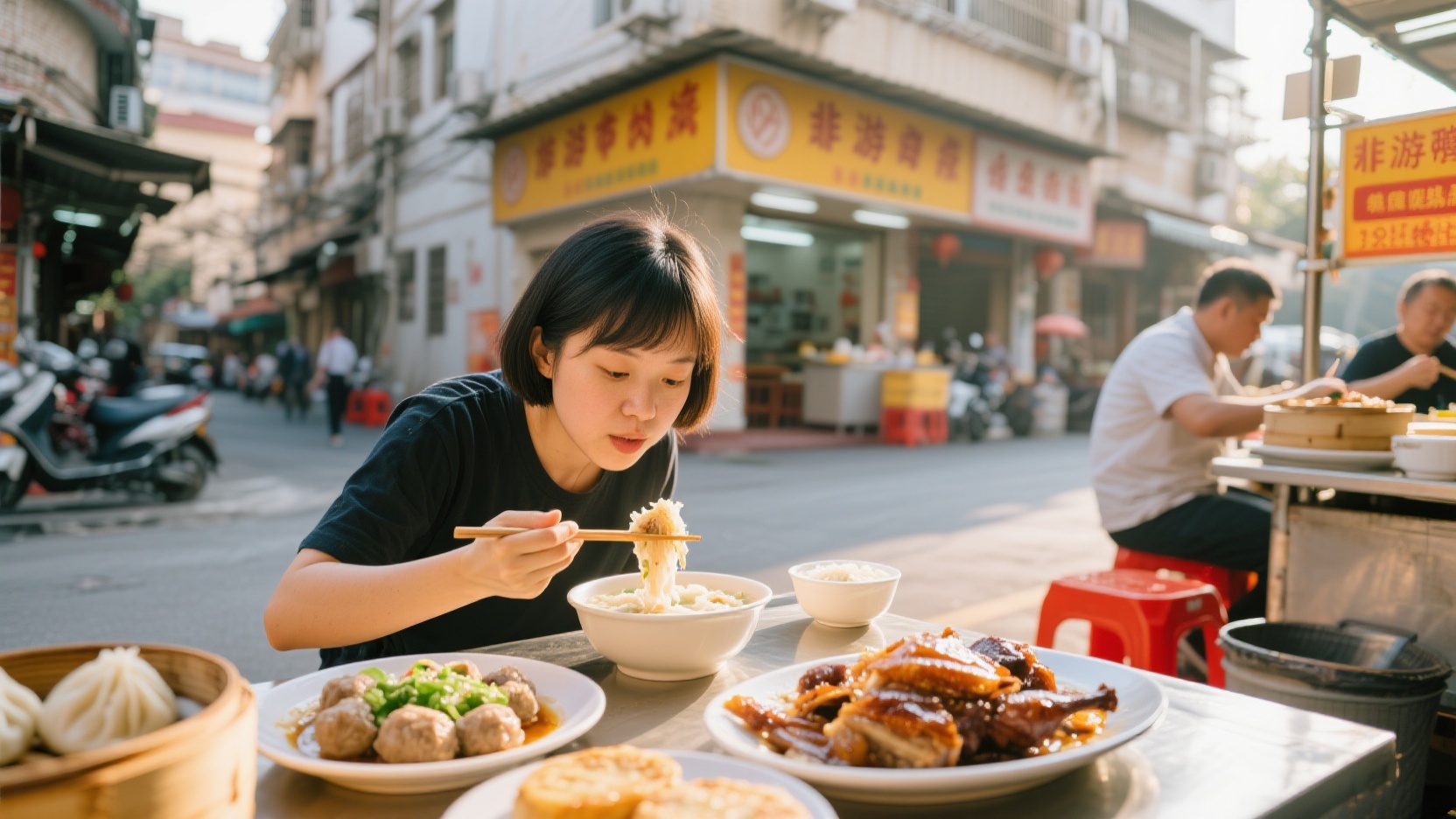
In Dongguan, food lists always seem to feature the same restaurants, but after three visits to these spots, I discovered that the ones local gourmets truly keep coming back for are often the undiscovered neighborhood stalls that aren't even listed on navigation apps and only appear at specific times. My three trips took place on weekdays, weekend mornings, and evenings, eliminating tourist traps like those on "must-eat" lists and those with long queues. This final list of eight hidden gems is the only one I dared to include, having eaten them myself while sitting on the roadside or squatting under the arcades.
In the old alleys of Dongguan, only the "front part" of the roast goose is eaten, and for stewing soup, one must squat by the roadside.
The first shop is located behind the arcade behind the old market in Guancheng. This roast goose rice noodle shop doesn't have a sign and is only open from 7 AM to 11 AM. Why it's worth going: The goose is roasted fresh in the early morning, with crispy skin and juicy meat. The broth has the flavors of dried flounder and pork bones, but what truly keeps locals coming back is the "front section" of roast goose—the owner cuts off the front section of the goose leg with thin skin and meat. The meat is tender and the skin isn't greasy; mixed with rice noodles, it's even more flavorful than the whole goose leg. How to order: Just say "goose front section rice noodles," and the owner will understand. If it's your first time, don't pretend to know them and say "Xiazhuang"—"front section" is the secret code. What else can you buy nearby: The old lady next door makes her own salty and sour dishes, packaged in small plastic bags, which are perfect for cutting through the richness of the rice noodles.
The second stall is a soup stand at the alley entrance, open only after dinner. They specialize in stewed soup in a large pot and pig's feet with ginger. There's no seating; locals usually get a takeout of "raw and cooked rehmannia root and pork bone soup" or "chicken bone grass and pig's tongue soup" after work. How to order: Soup selection is limited. To get the "golden and silver herb and fig stewed pig's lung," you need to arrive before 6:30 PM; after 7 PM, it's a matter of luck. Nearby: The frozen red bean paste at the dessert stall at the intersection is fragrant but not overly sweet, a perfect complement to balance the richness of the soup.
Shilong and Zhongtang: Fish dumplings and a bowl of "night porridge" under the arcade
In the arcade street of Shilong Old Town, there's a small shop that makes fish dumplings. They close before noon when they're sold out. The dumplings are made with mud carp skin wrapped around a filling of pork and shiitake mushrooms. They're translucent after cooking, and the broth is clear and flavorful. Why it's worth a visit: In this era of machine-processed fish skin, this shop still uses hand-made dough, resulting in elastic fish skin that doesn't break easily. How to order: Order a bowl of fish dumpling soup (without noodles) to fully appreciate the natural flavor of the skin; also, add a side of fish bone broth for dipping the dumplings—the broth is richer than ordering them separately. A convenient stop nearby: the old bakery at the corner of the arcade, selling "Maltose Egg Rolls"—take a bag home; they're bursting with the aroma of eggs and maltose.
There's a "night congee" stall near the old granary in Zhongtang, and it's really bustling after 10 PM. They don't serve boat congee, but rather the local favorites: clam congee and pork offal congee. The clams come from nearby rivers; they're small but fresh, and the congee base includes ginger and pepper. How to order: First, choose two kinds of fresh pork offal, then order a bowl of clam congee as a base, and a side of fried dough sticks. The owner will ask if you want "all offal," but for first-timers, it's recommended to order half offal to try. Nearby, there are also fried sweet potato chips sold in the early morning; they're thin, crispy, and not oily, and even more addictive with congee than fried dough sticks.
Humen and Houjie: The "secret code" of crab cakes and preserved meats next to the market
Behind the Weiyuan Market in Humen, there's a small family-run shop that makes exceptional crab cakes. The crab cakes are made with roe crab, pork, eggs, dried tangerine peel, and ginger paste, baked to perfection with a rich wok hei (wok aroma). Why it's worth the trip: Unlike the restaurant version where the crab is cooked in a clay pot, these are baked on a flat iron plate until the edges are crispy, allowing the crab roe and meat juices to be absorbed into the cake, leaving a slightly charred aroma around the crab shell. How to order: Simply ask, "Are the crabs good today?" Only order if they have roe crab. Serve with a bowl of white rice; avoid stir-fries as they'll overpower the other flavors. Nearby: The dried shrimp from the market's dry goods stall are small but add a touch of freshness, perfect for steaming eggs at home.
There's a claypot rice restaurant in Houjie that doesn't have a storefront; it just has a few tables next to the old ancestral hall. The sausages are hand-cut, made with large chunks of rock sugar and Fenjiu liquor, with a clear distinction between lean and fatty meat, and translucent when sliced. How to order: Order the "Three-Meat Rice" and specify "more crispy rice and less soy sauce." Once it's served, flip it over and wait two minutes before eating; the crispy rice will be even crispier. You can also buy it nearby: the handmade sausages next door can be bought by weight; just tell them in advance you want the sun-dried batch. They're perfect for steaming rice or slicing for stir-fries at home.
Daling Mountain and Daojiao: The aroma of lychee firewood and a bowl of meatball porridge
There's a lychee-fired roast goose restaurant in Dalingshan, hidden beside an orchard. Why it's worth a visit: Roasted over an open flame using old lychee wood, the goose skin has a more complex aroma than ordinary electric roast goose, and even the goose fat has a fruity flavor. It's not fishy even when cold. How to order: Order the "Xiazhuang with Sauce," paired with a bowl of rice noodles. Ask the chef to pour the roast goose sauce over the noodles, but don't add any braising liquid. The roast goose skin should be eaten within five minutes of being served, otherwise it will become soggy. Things to buy nearby: Freshly picked longan or lychee fruits are available at the orchard entrance depending on the season. If they're not available, buy a few bags of lychee-fired smoked bacon; it'll be a pleasant surprise when you cook at home.
Daojiao meatball congee is famous, but the truly delicious one is next to the community basketball court. They make the meatballs fresh in the early morning and only operate from morning until 10 AM. The meatballs are small and bouncy, and the congee base includes dried tofu skin, giving it a finer texture than chain stores. How to order: A bowl of "meatball and sliced meat congee," ask the owner to sprinkle extra white pepper; add a side of fried dough sticks, crispy on the outside and chewy on the inside. Nearby, an auntie sells freshly laid eggs—free-range eggs only available in the morning—the quantity is limited, so buy a few if you see them.
The blogger summarizes: Three tips to avoid pitfalls, shorten queues, and minimize wasted time.
First, avoid peak meal times. These old neighborhood shops have limited stock, so going during peak hours will either result in waiting or the signature dishes being sold out. For roast goose ramen and meatball congee, it's best to go early; for late-night congee and stewed soup, go during the first half hour after they open for dinner. Second, don't just order the signature dishes. Each shop has hidden culinary gems in its side dishes. For example, crab cakes should be served with white rice, roast goose ramen should be ordered with "the front part," and claypot rice should have "extra crispy rice." Ordering only the signature dishes will mean missing out on half the essence. Third, remember to bring cash. Many roadside stalls and old shops in arcade buildings don't display QR codes for payment, so carrying a few dozen yuan in cash is the safest bet. Also, don't ask if they do delivery; the owner will just tell you to "sit down and enjoy your meal."
This list lacks the filters of trendy online reviews and may not suit those who are particular about ambiance. But if you're willing to get up early, explore alleyways, and squat by the roadside for a taste of authentic Dongguan, these places will most likely not disappoint.