
Forget the must-eat lists on social media | A Chongqing local's firsthand experience: These market stalls are the real rip-offs.
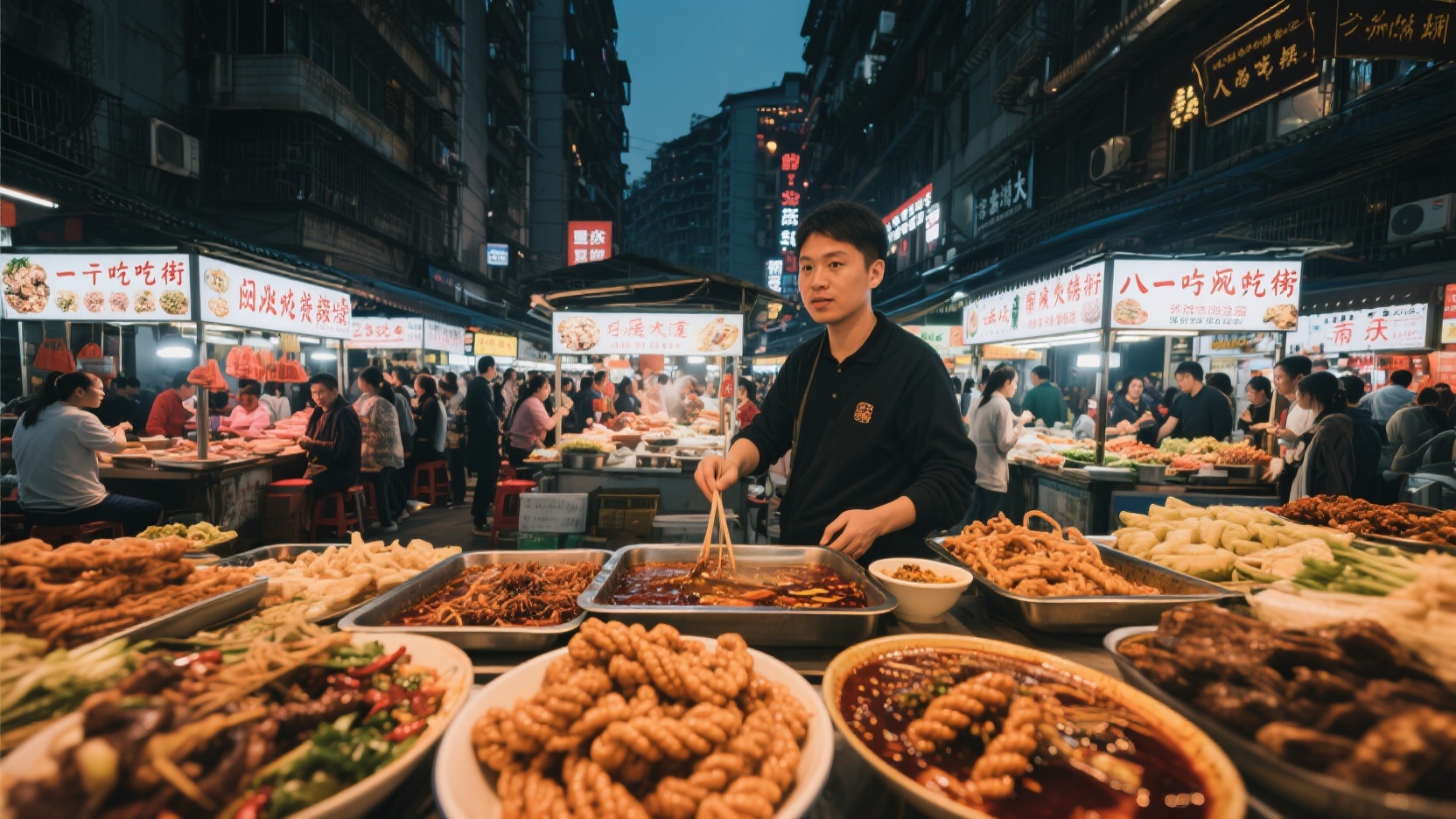
Having lived in Chongqing for eight years, I dread when friends hold up their phones and ask me, "Is this a place locals often eat at?" I peek out and see a queue longer than the morning rush hour on Line 3. I can only think one thing: that's not good food, that's a tourist queue.
The true flavor of Chongqing isn't displayed on the big screens of shopping districts, but rather on the second floor of wet markets, at the bottom of old residential buildings, and beside late-night stalls. Locals have a simple logic when it comes to food: the flavors must be authentic, the tables must be sturdy, and the queues must be short. Below, I'll debunk a few internet-famous but rarely visited spots, and then share my nine favorite stalls by area.
Let's start with three "must-eat" spots that locals avoid.
The first major problem area is the hot and sour rice noodle and small noodle stalls on Bayi Food Street. There were indeed a few old shops in the past, but now, with the increase in tourists, the rice noodles have been replaced with thicker ones that are more resistant to soaking, and the sugar and MSG ratio in the seasonings is unbalanced. After eating, you only feel salty and sweet, not spicy or savory. Locals only squeeze into these stalls when accompanying guests; a bowl of small noodles downstairs would be much better.
The second is a famous fried dough twist shop in Ciqikou Ancient Town. You queue for an hour and only get a packaged souvenir, but fried dough twists are best eaten fresh. Locals prefer to buy loose twists at the market; they're crispy, not sticky, and cost just a few yuan, enough to eat on the go. Nobody queues for a cardboard box.
The third is the "Night View Hot Pot" near the Nanshan Viewing Platform. The lighting is indeed beautiful, but the broth is bland, lacks the flavor of beef tallow, and the price is on the higher end of the mid-range. Chongqing people only have two standards for eating hot pot: how thick the broth is and how grumpy the owner is, not whether there is a river view outside the window.
There's another hidden pitfall: the top-ranked "Cave Hot Pot" on review sites. It's actually a stuffy, poorly ventilated air-raid shelter; the smell lingers on your clothes for three days after eating there, and the broth is worse than what you'd find in a hole-in-the-wall restaurant in an alley. The cave setting might be a plus, but if it becomes the only selling point, the taste is at risk.
The market stalls are in a row; you have to go early to catch them.
The first stall is the glutinous rice ball stand on the second floor of Qixinggang Market. The auntie sets up her stall between 7 and 9 am, spreading out hot glutinous rice, sprinkling it with soybean flour, sugar, and freshly fried dough stick crumbs, then giving it a firm squeeze. The glutinous rice grains are distinct, the fried dough sticks are crispy, and the soybean flour is fragrant. How to order without making a mistake: just order the plain glutinous rice ball with a cup of hot soy milk; don't add pork floss or salted egg yolk—those are for tourists to customize.
The second shop is inside the Taping vegetable market in Jiangbei. They sell steamed pork belly from morning till noon. The pork belly is sliced to the perfect thickness, and the pickled mustard greens absorb all the oil, making the fatty meat melt in your mouth. How to order: one serving of steamed pork belly and a bowl of steamed rice, and ask the owner to scoop extra pickled mustard greens at the bottom. Don't add the rice to the bowl, as it will overpower the aroma of the meat.
The third stall is a late-night congee stand located under the stairs behind the Jiaochangkou Night Market. It only opens in the early hours of the morning. The large pot of mung bean congee is cooked until it's almost mushy, and it's surrounded by cold-dressed cowpeas, braised tofu, and houttuynia cordata. What to order: a small bowl of mung bean congee with half a portion of braised tofu and cold-dressed cowpeas. Don't order the large portion; eating too much late-night food will leave your stomach feeling like it's been through a lot of spicy food the next day.
For noodles and wontons, the bowl downstairs is always better than any of the lists.
Behind Daping Hospital, there's a noodle shop with no signboard that only sells small noodles and pea and minced meat noodles. The owner isn't particularly temperamental, but the peas are stewed until soft and mushy, the minced meat sauce is a perfect balance of lean and fatty meat, and when you stir-fry it all together, the aroma of the chili paste is irresistible. How to order: two ounces of stir-fried pea and minced meat noodles with a fried egg. The noodles should be a bit firm, and the spiciness level is the default, so don't push your luck.
There's a beef noodle shop downstairs in the old Nanping Houbao community, open only for breakfast and lunch. The beef is brisket, stewed until tender and not tough, and the broth has a fermented bean flavor. How to order: Beef noodles with a side of blanched water spinach. Eat the noodles first, then drink the soup. Don't order the large bowl; the large bowl just has more noodles, not more beef.
Braised pig's trotters and tofu rice at midnight are both sobering and refreshing.
The pig's trotter soup stall located under the old residential building in the Fifth Residential Area of Nan'an opens after 10 pm. The pig's trotters are stewed until they fall off the bone, the soup is white and not greasy, and the dipping sauce is made with chili flakes and garlic. How to order: a bowl of pig's trotter soup with rice and cold houttuynia cordata salad. Take a couple of sips of soup first, then dip the meat in the houttuynia cordata salad to cut through the richness.
That old tofu rice shop in Huangjueping Railway Village is located on a slope. The tofu is tender yet firm, and the Sichuan peppercorn dipping sauce makes your tongue numb. How to order: a bowl of tofu rice plus a serving of steamed pork with rice flour, rice is calculated per person, and the dipping sauce must include minced garlic and a little ginger oil. Don't order the meat tofu rice; that's more like a hot pot than tofu rice.
Barbecue and hot pot: recognize these local codes
This couple's barbecue stall in Shuangbei, Shapingba, is a car repair shop during the day and only sets up tables at night. They grill sweet potato noodles until bubbly and dried tofu until the edges are crispy, then cut them into small pieces and mix them with pickled radish and scallions. How to order: Don't cut the sweet potato noodles too small, choose thicker pieces of dried tofu, and start with mild spiciness. Definitely avoid the sweet sauce.
There's a nine-compartment hot pot restaurant in an old residential building in Qixinggang. It doesn't have a sign, but the first thing you smell when you walk in is the rich aroma of beef tallow mixed with chili. The broth is sandy and the tripe and duck intestines are fresh. How to order: put the tripe, duck intestines, and beef aorta in first, and add the vegetables last. Don't order a half-and-half pot; mild spice is the locals' final gentle touch.
In conclusion: Five things you shouldn't ask locals that they didn't tell you.
1. Don't ask if it's spicy. The default logic for Chongqing noodles and hot pot is that "spicy is the base flavor". Instead of asking if it's spicy, just say "mild" or "very mild". Otherwise, the owner will only tell you "not spicy, very fragrant".
Second, avoid going during mealtimes. The longest queues are during peak mealtimes, so either arrive early or late. Stalls in the early morning are much more relaxed.
3. Don't wear white clothes. Hot pot, noodle, and barbecue restaurants love to splatter oil. If you go in wearing white, you'll most likely come out looking like an abstract painting.
Fourth, don't rely on reviews to find the best food in Chongqing. Most of the delicious food in Chongqing is hidden in places that even navigation apps take you astray. If you see locals squatting at the doorway eating their food, you can't go wrong.
5. Don't order the large portion. Many stalls' large portions just mean more noodles and rice, but the sauce and meat are not added in proportion. It's more cost-effective to order a small portion and eat more of the same things.