
This is my first time in Beijing and I only have one meal. What should I eat to make the most of the trip?
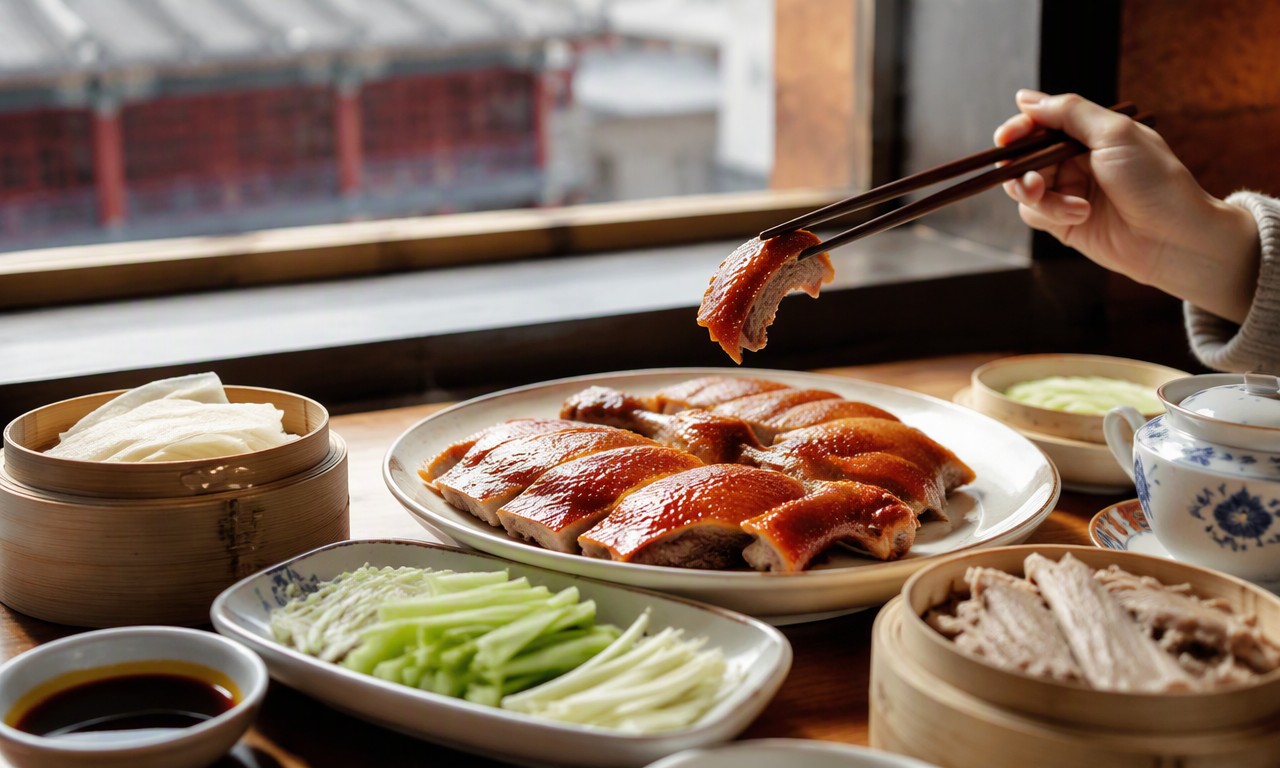
The core question this article aims to answer is: how do you truly understand and enjoy the food in Beijing? Many readers, before their trip, don't ask "what's available," but rather "how to choose, how to eat, and is it worth it?" This question deserves a serious answer because Beijing snacks and cuisine have their own unique flavor profiles and order of consumption. Eating the right foods is the most direct way to understand the city, while eating the wrong foods will only leave you with the impression of "it's nothing special." Below, I will address some of the most frequently asked questions from readers.
My first time in Beijing and I only have one meal, what's the best choice to eat?
There's only one criterion: this meal must simultaneously encompass Beijing's "flavor range" and "eating ritual." The safest choice is roast duck, but don't just eat duck meat wrapped in pancakes. The correct order is: first, pick up a slice of freshly sliced duck skin, dip it in white sugar, and savor the moment the fat melts in your mouth; then eat the duck meat with lotus leaf pancakes, sweet bean sauce, scallions, and cucumber strips; finally, drink a bowl of duck soup or eat the salt and pepper duck carcass. This way, the meal will have a perfect balance of salty, sweet, fragrant, crispy, and chewy flavors.
If you really don't want Peking duck, the second choice is hot pot. A clear broth base, hand-cut fresh lamb, and sesame sauce—you get to enjoy the natural flavor of the meat and the richness of the sauce. Remember the order of adding ingredients: "fatty first, lean later." First, cook the lamb tail fat to coat the pot, then add the hand-cut lamb shoulder and cucumber strips, and finally, add frozen tofu and glass noodles to finish. Why not the third choice? Because dishes like stir-fried liver and braised offal are too specialized; eating only these for a meal can easily lead to misjudgment.
What do Beijingers eat for breakfast? Is douzhi (fermented mung bean juice) a standard accompaniment?
Douzhi (fermented mung bean juice) is not a standard breakfast item; it's more like a "touchstone for taste." Most Beijingers' weekday breakfast consists of fried dough sticks with tofu pudding, sesame flatbread with meat filling, or stir-fried liver with steamed buns. The best fried dough sticks are those "fried until the sugar coating turns a deep brown and has small bubbles," resulting in a crispy outer layer and a sweet, soft center. Paired with a bowl of savory tofu pudding, it perfectly balances the sweetness.
You can try douzhi (fermented mung bean juice), but have realistic expectations. It's not soy milk; it's the tangy aroma of fermented mung beans. For your first time, I suggest pairing it with fried dough rings and finely shredded pickled vegetables, sipping it slowly, not gulping it down like a beverage. Only when you can discern the layers of "sour with a hint of fragrance and a lingering bean aroma" can you truly understand the fermentation process in Beijing snacks. If you really can't accept it, it means you don't belong to this type of palate, and there's no need to force yourself.
Are all Beijing snacks salty and heavily seasoned? Can people from the south get used to them?
It needs to be viewed in two systems. Dishes like millet porridge, fried liver, and braised offal, which are "starch and offal" in flavor, are indeed quite salty and thick, suitable for autumn and winter. They must be eaten with garlic sauce, cilantro, and chili oil to "break up" their heaviness. The correct way to eat fried liver is to hold the bowl and sip it while turning it around, without using a spoon. Only when the bowl is completely clean at the end is it considered properly eaten.
In contrast, "imperial desserts" like pea flour cake, kidney bean rolls, and aiwowo (glutinous rice cake) are refreshing, slightly sweet, and melt in your mouth, making them especially suitable for pairing with tea in summer. When choosing pea flour cake, select those with a fine surface and no noticeable grains. Let it cool slightly before eating to enhance the sweetness. The key principle is to avoid eating heavily flavored desserts and sweet treats in the same meal; alternate between them to prevent overloading your palate.
What's the difference between trendy online stores and traditional alleyway shops? Are they worth the wait?
The difference lies not in the absolute value of taste, but in the "consistency of production" and "expectations of service." Popular restaurants often have innovative items, such as noodles with cheese or a modified version of grilled meat, which look good in photos, but the quality can be inconsistent. They are suitable for supplementary experiences when you have plenty of time.
The enduring appeal of traditional hutong eateries lies in their consistency—they've been using the same pot for decades. For example, a bowl of fried liver at a traditional eatery will almost always have the same perfect consistency in terms of sauce thickness and garlic flavor. If you can only eat there once, choose an established eatery. If you've already tried a traditional eatery and want to see how younger people enjoy it, consider a trendy spot for afternoon tea. Queues themselves don't necessarily indicate quality; a queue might simply mean high foot traffic, not necessarily that the food is better than the nearby, untouched eatery.
Where in Beijing can you get a proper meal after 10 p.m.?
Beijing isn't a city known for its late-night food scene, but it's not entirely devoid of options either. After 10 PM, there are three main types of places to go: 24-hour fast food restaurants, hot pot and barbecue establishments open until the early hours, and the late-night food streets around Guijie Street. The safest choice is the "spicy crayfish with Beibingyang soda" combination found on Guijie Street—a well-defined flavor, consistent quality, and perfect for chatting while you eat.
If you want something hot, find a hot pot restaurant or lamb spine hot pot restaurant that's open until the early hours of the morning; it's much more reliable than a temporary roadside stall. The criteria for judging this are: choose a restaurant with stable dine-in service, a fixed storefront, and locals eating there; avoid mobile stalls and temporary barbecue stands, as the turnover and safety of ingredients at these stalls are unpredictable.
When traveling alone in Beijing, how should I order food to avoid wasting food?
Beijing cuisine portions are indeed quite large, especially stir-fries and stews. The most suitable combination for one person is "a bowl of noodles, a side dish, and a dessert." The first choice is Zha Jiang Mian (noodles with soybean paste), with neat toppings and a rich, savory sauce. You can choose to eat it either "pot-picked" or "blanched," and it comes with a side of pickled garlic and cucumber strips, making it a complete meal without being too much.
If you want to eat braised pork offal or stir-fried liver, these are typically single-serving portions, so ordering just one will be enough to satisfy your craving. The worst thing you can do is order three stir-fried dishes and a soup for one person. Beijing restaurants generally serve large plates, so you'll likely end up packing leftovers or wasting food. The principles for eating alone are: prioritize staple foods, order single portions, and order fewer stir-fried dishes.
I want to bring some Beijing food to my family. What should I bring that I won't find disappointing?
First, eliminate one thing: vacuum-packed Peking duck. It's completely different from eating it in a restaurant, and bringing it home could easily mislead your family about Peking duck. The safest options are Daoxiangcun pastries, Liubiju pickles, and Yueshengzhai braised beef. They all share the characteristic of being able to be eaten cold, without needing to be reheated or processed on-site.
For Daoxiangcun, look for directly operated stores with the "Sanhe" logo; their bulk-weighed jujube paste pastries, ox-tongue biscuits, and Sachima are generally reliable. For Liubiju's pickles, choose small packages of pickled cucumbers or eight-treasure vegetables; they're suitable for porridge or noodles. The key is to choose items that can be eaten cold, not items that must be made and eaten fresh.
What foods in Beijing are only delicious in winter?
Lamb spine hot pot, copper pot simmered meat, sugar-roasted chestnuts, and frozen persimmons—these four dishes only truly resonate in winter. This is because the "thickness" and "heat" of Beijing cuisine only hold true in cold weather; they would feel cloying in summer. Lamb spine hot pot's lamb is only fatty enough in autumn and winter; eating it in summer would be out of season.
For sugar-roasted chestnuts, choose freshly roasted ones; the shells should crack easily with a pinch, and the chestnut meat should be golden and sandy. Frozen persimmons are the "natural ice cream" of old Beijing winters; you can occasionally find them at fruit stalls at the entrance of hutongs. Buy them, let them soften, and then scoop them out with a spoon to eat. The essence of Beijing's winter cuisine isn't "what's available," but rather "it only tastes right at this time of year," a point that deserves more attention than any other season.