
Yantai Travel Guide | A 5-Day, 4-Night Trip with Parents: Avoiding Common Pitfalls: Elevator, Toilet, and Hospital Information All Marked, Plus a 20-Item Packing List for Seniors
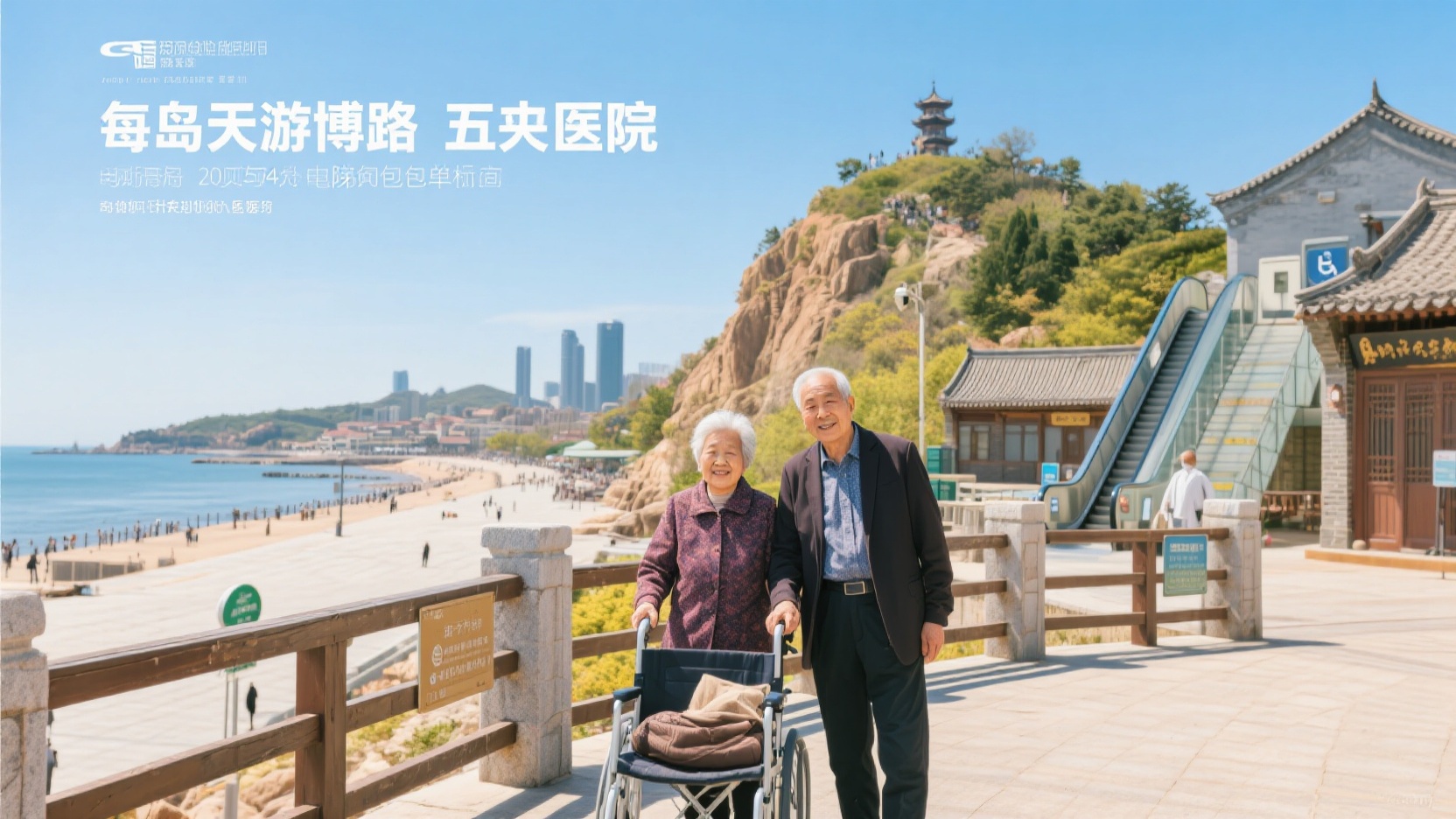
I took my parents to Yantai for five nights, and on the high-speed train back, my dad said it was the most relaxing trip he'd had in the past five years. Previously, I had taken them to a coastal walkway following a standard itinerary, but there were no accessible ramps within two kilometers, and we had to turn back to use the restroom halfway through. When we got back to the hotel, my parents were so tired they didn't even want to eat dinner. This time, I re-checked the area, making "elevator coverage, accessible pathways, restroom density, walking distance, and distance to nearby level-two or higher hospitals" a daily must-check item, and without fail, we took a two-hour nap at the hotel every day. If your elderly relatives have knee problems climbing hills, can only walk slowly, or need a wheelchair or walking aid, you can directly copy this guide.
Accommodation and Transportation: A 2-hour lunch break and "hospital drive" are key requirements.
For accommodation, I gave up my obsession with sea-view rooms and only considered three criteria: the elevator should go directly from the lobby to the room, the bathroom should have handrails or a shower chair could be installed, and the nearest level-two or above hospital should be within a 15-minute drive. In the end, I chose a mid-range chain hotel near Yantai Mountain in Zhifu District. It was about 400 meters from Yantai Mountain, and there was a flat municipal walkway downstairs, making it easy to push a wheelchair.
The roads in Yantai's old town are generally smooth, but some coastal boardwalks have steps, so it's best to ask which side has the accessible entrance before you go. Only one key location is planned for each morning. Be sure to return to the hotel before 11:30 AM, have lunch nearby, and then let your parents rest for two hours before heading out again at 3 PM. This rhythm is more important than any other tourist attraction.
Day 1-2: Yantaishan and Binhai Square, actual walking distance measured.
On Day 1, after checking in in the afternoon, we only went to the seaside square, keeping the one-way distance within 500 meters. There are three accessible public restrooms in the square, about 200 meters apart, so seniors don't need to worry about needing to urinate. In spring and autumn when the sea breeze is strong, bring a windproof jacket. There are plenty of benches, so you can sit down after walking a few steps.
On Day 2, we visited Yantai Mountain Scenic Area in the morning. The walk from the entrance to the lighthouse platform is about 600 meters, mostly a gentle slope. There's an accessible path on the east side leading to the halfway point, and the lighthouse elevator provides direct access to the observation deck when it's open. There are accessible restrooms at both the entrance and the halfway platform, a five-minute walk each. I accompanied my parents for 40 minutes, resting three times along the way. The nearest level-two or higher hospital is about a 10-minute drive away, mostly along main city roads, making it easy for emergency vehicles to access. In the afternoon, we returned to the hotel for a nap, and in the evening, we took a walk along the same route, without adding any new stops.
Day 3: Stroll through the ancient town or soak in the hot springs, depending on the weather.
The itinerary for this day will be adjusted based on your parents' mobility and the weather. If it's sunny and their legs are still able, explore the streets and alleys outside Penglai Water City. Don't buy tickets to enter the main scenic area; just walk on the flat ground outside the city walls. There are benches for resting approximately every 300 meters, and the visitor center has accessible restrooms. If it's cloudy or your knees are tight, choose a hot spring with indoor and outdoor pools. The changing rooms must have benches and accessible handrails. Each soak should not exceed 20 minutes, and afterwards, return to the hotel for a full two hours of sleep.
I will check the driving time to the nearest level-two or above hospital for both options in advance, and keep it within 15 minutes; for hot springs, I will also confirm that there are anti-slip mats and call buttons in the slippery areas. Only one option will be arranged for this day, and it will not be combined with other places, so as to give the elderly enough choice.
Days 4-5: Indoor museum and a walk through the corridor before returning home.
On Day 4, choose either the Zhangyu Wine Culture Museum or the Yantai City Museum. Both are entirely indoors, have elevators, and restrooms on each floor; wheelchair access is available. The underground wine cellar floor is slightly damp, so elderly people should hold on tight. Each visit should be limited to 90 minutes. After visiting in the morning, return to the hotel for a midday rest. The museum is about a 12-minute drive from the nearest level-two or higher hospital. In the afternoon, buy some soft peaches or figs; avoid making a long detour back and forth to the market.
After checking out on Day 5, take a leisurely walk in the park or riverside promenade within 500 meters of the hotel. Arrange for a car to pick you up from the hotel in advance to avoid dragging your luggage up and down overpasses. Allow at least 40 minutes to find accessible elevators when going to the train station. The elevated drop-off platforms at Yantai Station and South Station are relatively wheelchair-friendly, but still allow sufficient buffer space.
The blogger summarizes: 20 items for seniors' travel packing list and 5 categories of commonly used medicines.
The deepest lesson I learned from this trip to Yantai is that when traveling with parents, taking it slow isn't a compromise; it's about prioritizing their safety. Missing a tourist attraction won't be a regret, but having a nearby hospital, readily available seating, and easy access to restrooms are the real essentials. I suggest printing out the following checklist for verification.
1. Foldable lightweight wheelchair or walker; 2. Two pairs of non-slip soft-soled shoes; 3. Knee braces or hip braces; 4. Foldable small stool; 5. Photocopies of ID card and medical insurance card; 6. Summary of recent physical examination report; 7. Commonly used medicine refill boxes; 8. Blood pressure monitor or blood glucose meter; 9. Insulated cup and straw cup; 10. Individually packaged snacks; 11. Thin down jacket or windproof jacket; 12. Raincoat instead of umbrella for convenience; 13. Large plastic bag cushion; 14. Accessible hotel confirmation; 15. Handwritten card showing hospital distance; 16. Emergency contact speed dial; 17. Power bank and long data cable; 18. Disposable toilet seat cover; 19. Disinfecting wipes and small packs of tissues; 20. Spare batteries for reading glasses and hearing aids.
Five categories of commonly used medications to remind you: Category 1: Cardiovascular medications, including antihypertensive drugs and nitroglycerin; carry on board but not checked in. Category 2: Hypoglycemic drugs and candy to prevent hypoglycemia. Category 3: Gastrointestinal medications and oral rehydration salts. Category 4: Topical medications such as adhesive bandages, iodine swabs, and liniment. Category 5: Antihistamines and sleep aids; all must be taken as directed by a doctor.