
Urumqi Seasonal Dining Table | A Seasonal Limited List I've Compiled by Eating All Four Seasons (Blogger's Personal Tested and Tested Guide to Avoiding Pitfalls)
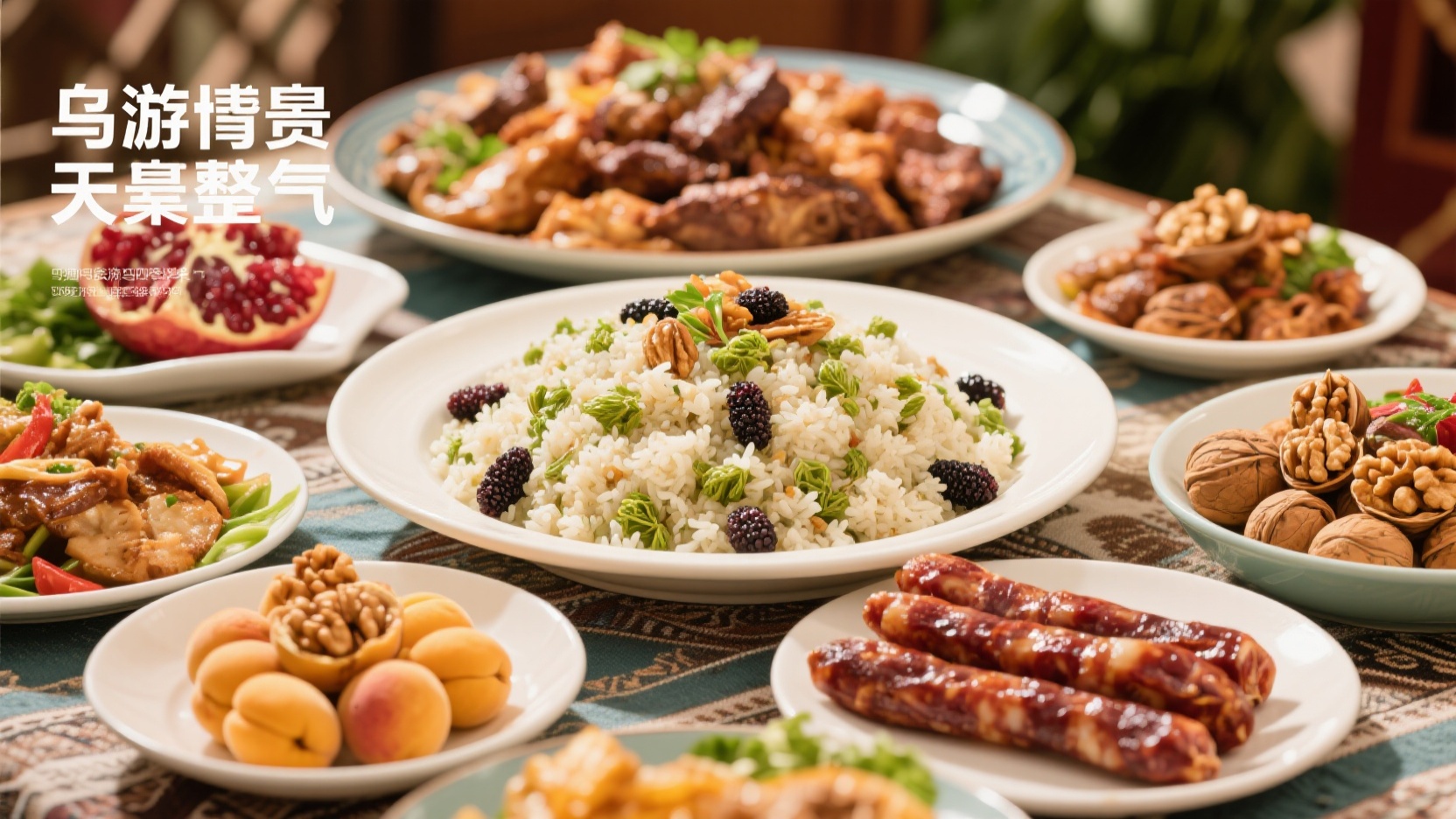
When dining in Urumqi, the easiest mistake isn't going to the wrong restaurant, but eating out of season. For the past two years, I'd always been looking for mulberries in March and elm seeds in September, earning me the joke from local friends, "You've come at the wrong time!" Later, I made four trips based on the 24 solar terms before finally figuring out that the city's dining scene actually follows its produce. This list doesn't recommend touristy spots; it only records those flavors that, if missed in season, will have to wait another year.
The following eight items are ones whose availability I've repeatedly confirmed with local vendors and restaurant owners, and I've also avoided the pitfall of "eating out-of-season food." I've compiled this list for those of you who also refuse to compromise.
Spring | Elm seed rice and alfalfa wontons: Urumqi's "biting spring" begins from the trees.
Around the time of Grain Rain (a solar term in the Chinese calendar), stalls selling elm seeds suddenly appear on the streets of Urumqi. Elm seeds are the flowers and fruits of the elm tree, and they are only at their tenderest for one or two weeks in early spring, with a slightly sticky and sweet taste. Locals wash the elm seeds, mix them with cornmeal, steam them, and call it "elm seed rice." After cooking, they are topped with a spoonful of chili oil, minced garlic, and vinegar. The flavor is all about the fresh, grassy aroma of spring. After Grain Rain, the elm seeds become tough and are only good for feeding sheep.
Around the same time, the wild alfalfa on the southern slope sprouted its first tender shoots. Unlike outsiders who only regard it as an ornamental plant, the people of Urumqi pick the tender shoots to make alfalfa wontons. Alfalfa itself has a slightly wild and astringent taste, which is chopped together with mutton for the filling. The mutton fat brings out the aroma of the wild vegetable. After cooking, the wontons and broth are eaten together. Locals call this "the first delicacy of spring." I ate two bowls at a small restaurant in an alley, and only then did I understand why the owner said, "We only sell it for twenty days a year."
Summer | Mulberries and white apricots, their sweetness a seasonal marker in Urumqi
From late May to early June, mulberries ripen first. In some older residential areas and courtyards in Urumqi, mulberry trees droop low, their ripe mulberries a glossy purplish-black. These must be picked and eaten immediately, as mulberries are extremely delicate and will release water and taste bad overnight. Locals generally don't wash them; they just blow on them after picking and eat them directly, not caring if their hands are stained with purple juice. I highly recommend looking for white mulberries in the nearby bazaars; they are sweeter and have a hint of honey.
The small white apricot follows closely behind, with June being its peak season. Most of the small white apricots sold in Urumqi come from Kuqa and Luntai. They have pale yellow skin and are small in size, but each bite is like a mouthful of honey. The local way of eating them is to "treat the apricot two ways": after eating the flesh, don't throw away the pit; use your teeth or a small hammer to crack it open, and the sweet almond inside is the second treat. If you want to eat them again by the end of June, all that's left is dried apricots and a sense of regret.
Autumn | Fresh walnuts and pomegranate juice: Urumqi is at its most moisturizing after the White Dew solar term.
After the White Dew solar term, fresh walnuts begin to appear on the market in Urumqi's dry weather. Unlike the dried walnuts we usually eat, fresh walnuts have a thin skin on the outside. Peeling it off reveals milky white flesh that is crisp, tender, and sweet, like eating fruit. Locals like to squat in front of the stalls and watch the vendors peel the green husks on the spot. They remind you to wear gloves, otherwise the juice from the green husks will stain your fingers black for half a month. Buying them to eat with Xinjiang-style yogurt or as a snack makes for the most refreshing treat in autumn.
From late September to October, pomegranates from southern Xinjiang arrive in Urumqi. Locals never dilute pomegranate juice; they press the whole pomegranate, seeds and all, resulting in a sweet juice with a slightly astringent taste—a soothing sensation for the throat. In the dry autumn, a glass of freshly squeezed pomegranate juice is more refreshing than any bottled beverage. For a more refined experience, choose pomegranates with a yellowish-red peel, as they tend to be juicier. After November, the pomegranate season is essentially over, and pomegranates are then typically diluted with water.
Winter | Icy foie gras and smoked horse sausage, a rich flavor only available at sub-zero temperatures
After the start of winter, people near the snow line around Urumqi eat a type of goat called "Bingcha Juli," which refers to young goats that have eaten ice-crust grass. Herdsmen say the meat of this goat is firm and has almost no gamey smell because the goats are active in the cold environment. The local way of cooking it is extremely simple: large chunks of goat meat are put into a pot of water with only salt and onions, stewed until tender, and served with a side of minced garlic. The broth is clear and the meat is fragrant; a bowl of this in winter warms you from your stomach to your fingertips. This is a flavor only available after the temperature drops; you can't find it in summer, and you wouldn't be used to it.
From December to February of the following year, it's the winter slaughtering season for Kazakhs, and smoked horse sausage and horse meat naren become staple dishes on the Urumqi winter table. Smoked horse sausage is made from horse ribs, cold-smoked with fruitwood, and sliced, it carries the aroma of pine smoke and the unique sourness of horse meat. Locals spread the smoked horse sausage on top of naren, mix it with wide noodles and onions, the spiciness of the onions perfectly balancing the oiliness. Visitors from other places might not be used to it at first, but once they accept it, they'll understand why it's best enjoyed in cold weather.
Blogger's Summary | Eating according to the solar terms is the most cost-effective way to avoid pitfalls.
After trying these eight dishes, my biggest takeaway is that the "deliciousness" of Urumqi isn't constant; it fluctuates with the seasons. A common mistake tourists make is bringing the same food list year-round, only to find it's either out of season or not in season at all. To truly understand Urumqi's culinary scene, remember these practical tips to avoid common pitfalls:
1. Elm seeds and alfalfa have a very short shelf life in spring, so check with the local market before you travel; don't believe claims of year-round availability. 2. Mulberries should not be eaten overnight in summer, and white apricots are harvested at the end of June; if you want to crack apricot kernels, do it early. 3. Always wear gloves when peeling green walnuts in autumn, and make sure pomegranate juice is freshly squeezed. 4. Winter delicacies like iced milk carp and smoked horse sausage are high in oil and salt; those with sensitive stomachs are advised to eat them at lunchtime, not as a late-night snack. Eating according to the seasons is the right way to experience a city.