
Avoid these 3 areas in Tianjin for accommodation | A local's firsthand checklist to avoid pitfalls: Don't be fooled by travel guides anymore!
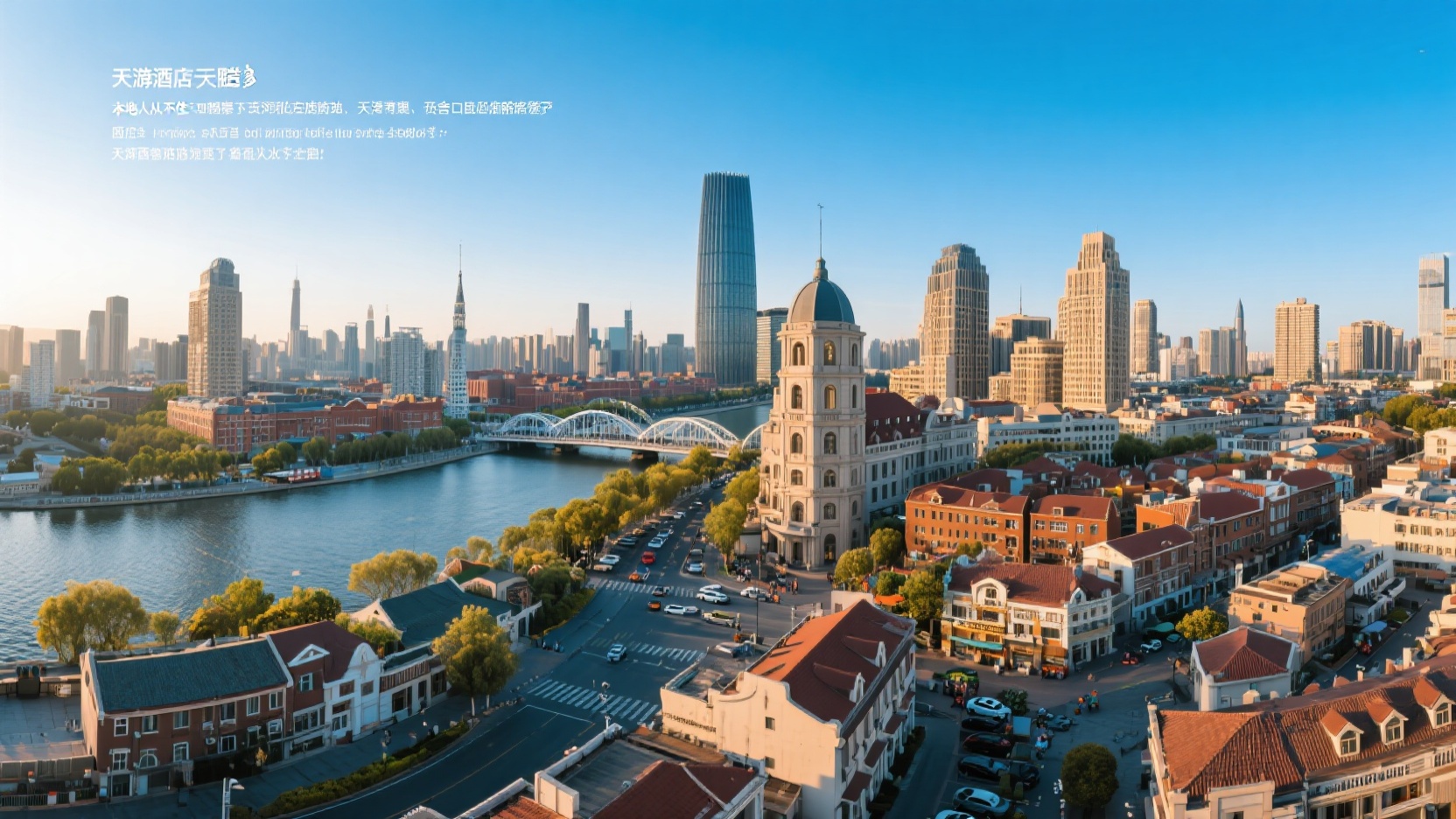
If it's your first time visiting Tianjin, don't be fooled by travel guides that say "stay by the Haihe River and look out the Tianjin Eye from your window"—I once stayed one night near Jinwan Square and was still listening to unlicensed taxi drivers soliciting passengers and cruise ship horns at 2 a.m. The next day I felt completely out of sorts.
Tianjin's attractions seem concentrated, but many of the trendy accommodations along the Haihe River are "one-off areas" prepared for tourists; locals would never park their cars there overnight. Below, we'll first thoroughly explain three areas that are "constantly recommended in travel guides but rarely stayed in by locals," and then give you four truly comfortable local areas where you can get a good night's sleep.
Avoid these places: Tianjin Railway Station/Jinwan Square – The "Haihe River view" sounds romantic, but at night it's just noise and unlicensed taxis.
Many travel guides recommend staying near Tianjin Railway Station or Jinwan Square, citing their proximity to the Haihe River and convenient access to attractions. However, the biggest problem with this area is that it's a completely different world during the day and at night. During the day, it looks like a gateway to the city, but at night, unlicensed taxi drivers solicit passengers along the streets, and cruise ship horns sound every few minutes, making it virtually impossible for light sleepers to get any rest.
There's a misconception about transportation: while it appears close to the Five Avenues and Italian Style Town on the map, taking a taxi involves crossing the Haihe River traffic bottleneck, and taking the subway requires a detour to Yingkou Road for a transfer. Parking is a disaster; surface parking spaces are extremely limited, and there are long queues in and out of the underground parking lot. Locals never park their cars there overnight. Unless you're catching an early high-speed train the next day, don't choose this option.
Avoid these two places: Old-style villas in the Italian-style area – they look great for photos during the day, but become eerily deserted after the bars close at night.
The old villas and guesthouses in the Italian-style district are great for photos on social media, but once you stay there, you'll realize what a "photo deception" is. These old houses have terrible soundproofing; walking upstairs feels like walking on your head, and the music from the bars downstairs can go on until the early hours. They're artsy during the day, but at night, the alleyways are eerily deserted after the night, and the lighting is inadequate.
What's even worse is the transportation. It seems close to the Ancient Culture Street and the Tianjin Eye, but walking requires going around a bridge, and taking a taxi involves dealing with one-way streets and tourist traffic jams, turning a ten-minute walk into a half-hour journey. Restaurants nearby are mostly tourist-priced; locals only stop by to take photos and never stay overnight.
Avoid these three types of guesthouses located in the Five Avenues scenic area: "historical buildings" with creaky stairs, no elevators, and virtually no parking.
The "historical building" guesthouses in the Five Avenues area are another major problem area. Because these protected buildings cannot be significantly altered, there are no elevators, the wooden stairs creak, and the rooms are practically unsound. Dragging your suitcase up to the third floor will leave you exhausted and questioning your existence, and you can hear your neighbors talking in their sleep at night.
Parking is virtually impossible; the alleys are narrow and parking spaces are scarce, forcing drivers to park far away and walk back. At night, the alleys are dark with sparse streetlights, and it's not close to the subway station, so getting to other attractions requires taking a taxi. Furthermore, the Five Avenues area has many one-way streets, making traffic jams unbearable. This area is suitable for daytime photography but not for overnight stays.
Zhenzhu Area 1: Xiaobailou/Concert Hall area – a prime location for urban convenience, brightly lit even late at night.
Suitable for: Business travelers, couples, and those who enjoy coffee and bars but prefer a quieter environment. Located in Tianjin's traditional business district, it's easily accessible via Metro Line 1. It's a short walk or one-stop to the Five Great Avenues, three or four metro stops to Tianjin Railway Station, and within walking distance of Binjiang Road. The location is excellent.
The area is very safe late at night. The Xiaobailou area is well-lit at night, with shopping malls and 24-hour convenience stores, so it doesn't feel deserted after the tourist attractions have closed. There are many dining options, ranging from local noodle shops with an average price of a few dozen yuan per person to mid-range Western restaurants, and they are not all tourist traps.
For parking, there are large underground parking lots nearby. Although it costs money, it's much easier to find parking than around tourist attractions. If you want urban convenience but don't want to be bothered by noise, Xiaobailou is the best choice.
Zhenzhu Area 2: Southwest Corner/Gulou Area – The most vibrant local atmosphere, a must-visit for foodies.
Suitable for: Foodies and those who want to experience local Tianjin breakfast. The southwest corner is a transfer station for Metro Lines 1 and 2. It's within three or four stops to Ancient Culture Street, Tianjin Eye, and Five Avenues, or a ten-minute taxi ride, making transportation very convenient.
There are so many restaurants nearby that it's hard to choose. Locals frequent places like the Northwest Corner breakfast spots and restaurants around the Drum Tower, where you can eat a hearty meal for just a few dozen yuan per person. It's safe to return to the hotel late at night; the old residential area is lively at night with plenty of streetlights, so you won't experience the sudden emptiness of a tourist attraction.
Parking is a common problem in the old town; street parking spaces are scarce, so I recommend taking the subway. If you're willing to stay here earlier for an authentic meal, it's definitely more worthwhile than staying by the Haihe River.
Zhenzhu Area 3: Xiawafang/People's Park – A quiet oasis amidst the hustle and bustle, a savior for those with light sleep.
Suitable for: People with elderly relatives, light sleepers, and those who want a quiet place but don't want to be far from the city center. Xiawafang is served by Metro Lines 1 and 5, is very close to the Five Great Avenues (Wudadao), and can be reached by taxi in just over ten minutes. It's also only a short ride to Xiaobailou and the Haihe River.
You won't have to worry about food; the area around People's Park is full of local eateries and time-honored establishments. You can also take a stroll in the park in the morning, and the surrounding area is very quiet after the park closes at night. It's quite safe late at night; the residential area is dense, the streetlights are neat, and there's no noise from the bar street.
Parking is slightly better than in the old town, but you still need to get back early to secure a spot. If you prioritize sleep quality, this area is far superior to the trendy old villas.
Zhenzhu Area 4: Water Park/Aocheng – A breathable option for families with children and those traveling by car.
Suitable for: Families with children, road trip travelers, and those who want spacious and well-ventilated accommodations. It's close to the Water Park and Zoo, where kids can spend a whole day. Getting to traditional attractions like the Five Avenues and Tianjin Railway Station requires a taxi or subway ride. A taxi to the Five Avenues takes about 10-20 minutes, while the subway requires a transfer, but the travel time is manageable.
The dining options are plentiful, with numerous restaurants in the Olympic City Commercial Plaza, ranging from affordable casual dining to mid-to-high-end establishments. There are also many locals active in the evenings, making it more than just a tourist area. Returning to the hotel late at night is safe; the Olympic City area is lively at night, but the residential areas are relatively quiet.
Parking is the most convenient of the four areas, with ample parking at nearby shopping malls and on the ground, making it suitable for families with cars. If you want to avoid the congestion of the old town and don't mind taking a few more subway stops, the Water Park is a comfortable option.
In conclusion
Don't ask locals "which area is closest to the attractions?" Tianjin's attractions are too scattered, so staying near a subway transfer station is more reliable than staying inside the attractions.
If you want to eat breakfast in Tianjin, stay near the southwest or northwest corner of the city, but avoid buying those "tourist set meals" at Nanshi Food Street.
If you're driving, definitely avoid choosing accommodations in the Five Avenues and Italian Style areas. The one-way streets and old residential areas make parking a nightmare.
The Tianjin Eye and Haihe River cruise ships are noisy after 10 pm. If you are a light sleeper, don't choose a river view room unless you like listening to the ship's horn.
During peak tourist seasons (summer vacation and National Day), these local residential areas are quieter than the areas around tourist attractions, but it's difficult to find a good deal if you book in advance.