
These 8 seasonal flavors of Tianjin | A local's hidden list of foods to eat right on time of year (personally tested and recommended to avoid pitfalls)
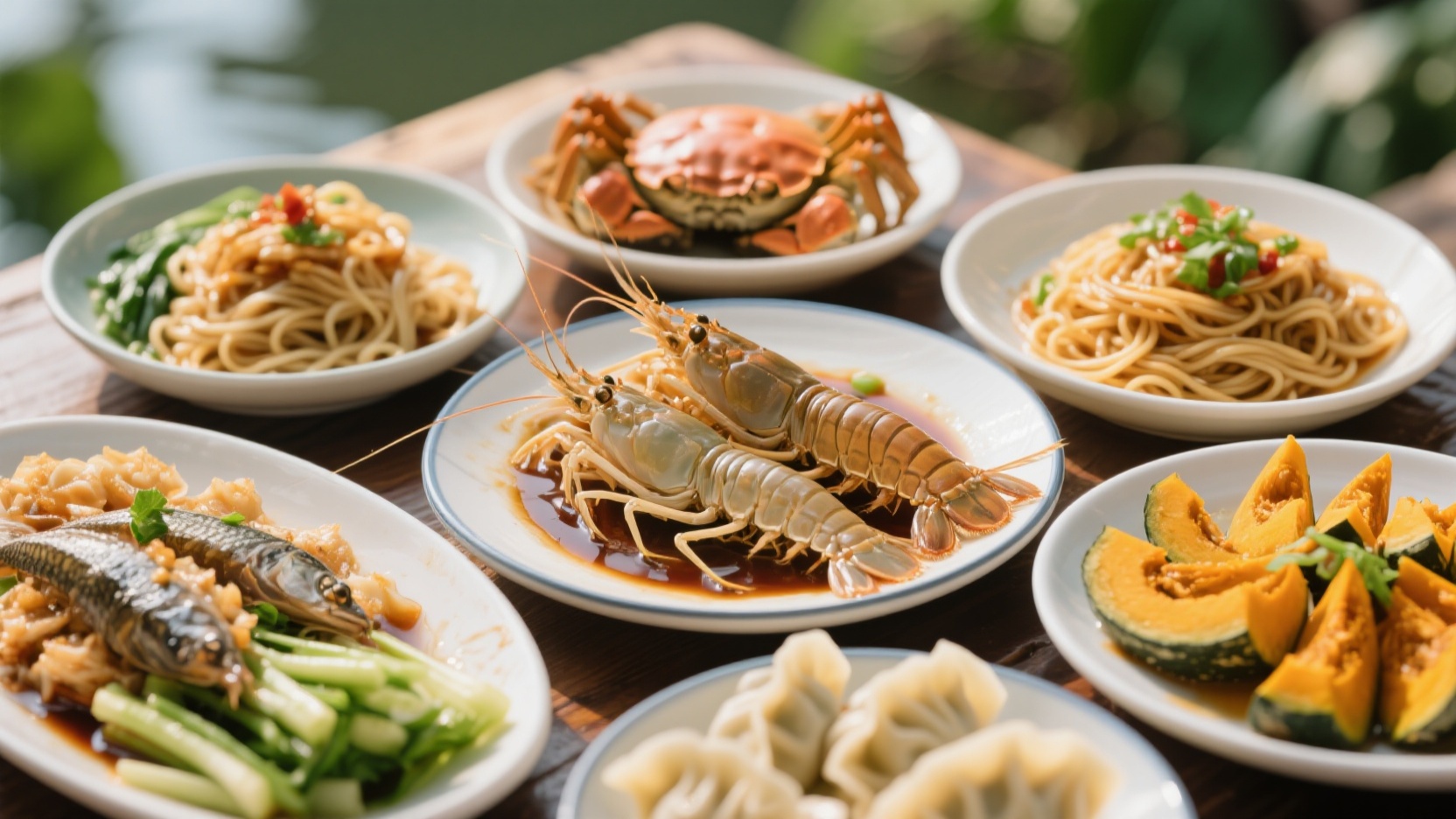
When dining in Tianjin, the worst thing you can do is hear a local say, "You've come at the wrong time of year." The first time I went to Tianjin specifically to photograph its cuisine, I excitedly ordered Qilihai river crabs in mid-March, only to be stopped by a market vendor: "The crabs are practically empty shells right now. Do you want to eat the legs or just listen to the noise?" Later, after visiting many places, I realized that Tianjin people's meals aren't based on a menu, but on the tides of the Bohai Sea, seasonal changes, and temple fair customs. The following eight dishes are a seasonal list I discovered through trial and error. Only by timing your meals perfectly can you truly experience the seasonal flavors hidden in Tianjin's cuisine.
From the Awakening of Insects to the Qingming Festival: Open the Lingsuo car to be the first to taste the freshest food as the ice melts.
There's an old saying among the older generation in Tianjin's Binhai New Area: "Eat the mullet when the ice cracks in spring, and it's indescribably fresh." Here, "mullet" refers to the mullet. After a winter of freezing, the mullet hasn't yet started feeding when the ice first cracks in spring. Its flesh has a light earthy smell, firm and tender texture, making it the rarest "first taste of freshness." Once after Qingming Festival, the mullet begin to feed, and the quality and flavor diminish significantly, with prices dropping accordingly. Therefore, locals only truly enjoy it during the less than one month between Jingzhe (Awakening of Insects) and Qingming Festival.
The local way of eating it is very straightforward: steamed or braised. Steamed, it's served without hot oil, just topped with shredded scallions and ginger, and a touch of Sichuan peppercorn water, allowing you to enjoy the tender, springy garlic-fleshed meat, reminiscent of soft tofu. Braised, on the other hand, is more flavorful, with a sauce slowly reduced using sweet bean sauce, vinegar, and garlic slices, served with freshly baked unleavened flatbread, eaten with the broth. The blogger reminds you that the inside of the belly of the mandarin fish has a black membrane, which must be scraped off thoroughly during preparation, otherwise it will taste bitter.
Around Grain Rain: Mantis shrimp in the Bohai Bay are at their fattest with roe; steaming them with vinegar is the best way to enjoy them.
In Tianjin, mantis shrimp are called "xiapazi" or "pipi xia". The spawning season is around Grain Rain every year. The female shrimp has a purplish-red roe on its back, which extends from the tail to the head and thorax. The roe is so plump that it feels hard when you squeeze it. At this time, the mantis shrimp is not "crisp and tender", but "full of roe and bouncy". Many locals buy them and steam or boil them directly without frying or stir-frying.
There are three key points to remember: First, steam the shrimp belly-up to prevent the roe from leaking out; second, don't add salt, as the shrimp itself has a naturally salty and savory flavor; third, peeling the shell requires skill—use chopsticks to insert from the second segment of the tail and gently lift to remove the shell completely. For the dipping sauce, simply add a little Duliu aged vinegar and minced ginger to a small bowl to enhance the flavor without overpowering it. Before Qingming Festival, mantis shrimp are often empty shells, and after Dragon Boat Festival, the meat becomes loose; the window of opportunity for optimal flavor is only three to four weeks.
Summer Solstice and the Beginning of Dog Days: Four side dishes for noodles, more than the noodles themselves, show the elegance of Tianjin people.
There's an old saying in Tianjin: "Dumplings on the first day of the dog days, noodles on the second." In fact, in Tianjin's urban area, the ritual after the start of the dog days is a bowl of "four-dish noodles." It's not the kind served in a noodle shop, but a complete set: a gravy, four stir-fried dishes, four side dishes, cucumber strips, bean sprouts, and more than a dozen other side dishes piled high on the table. Tianjin people value having all the side dishes when eating noodles; missing any one of them makes it feel incomplete.
The most authentic combination typically includes four stir-fried dishes: stir-fried shrimp, stir-fried eggs, stir-fried dried tofu, and sweet and sour gluten strips. The gravy is a savory sauce made with sliced meat, wood ear mushrooms, daylily buds, and shiitake mushrooms. The noodles are rinsed in cold water before being topped with the gravy, vegetables, sesame paste, and minced garlic. When eating, don't stir it too much; Tianjin gourmets will leave a few strands of noodles coated in sweet and sour gluten strips—"dipped in sauce"—to eat separately at the end, enjoying their sweet, sour, and crunchy flavor. This bowl of noodles is eaten from the summer solstice until the end of the hottest period of summer, especially perfect when you have no appetite during the sweltering summer.
From the Autumn Equinox to Frost's Descent: Qilihai River Crabs Only Recognize "Nine Rounds and Ten Tips," Tea Plantation Grapes Finish Off Their Season
In Tianjin, there are two must-try autumn delicacies: Ninghe Qilihai river crabs and Chadian Muscat grapes. The best time to eat river crabs is according to the lunar calendar: female crabs are eaten in the ninth lunar month when their roe is bright red and well-formed, while male crabs are eaten in the tenth lunar month when their crab paste is sticky and rich. Tianjin's local river crabs may not be as large as those from Yangcheng Lake, but they are prized for their wildness, clean abdomens, and sweet, fragrant meat. Crabs from the Qilihai wetlands, in particular, have a fresh, clean scent of aquatic plants.
Locals typically eat river crabs without complicated seasonings. They simply put them in a pot of cold water with a few slices of perilla or ginger, bring to a boil over high heat, then simmer over medium-low heat for about fifteen minutes. They then peel the crabs while they're still hot. The dipping sauce is minced ginger mixed with Duliu aged vinegar; soy sauce is strictly avoided. After eating the crab roe from the shell, the crab oil on your fingers can be used to lick a mouthful of rice – that's true satisfaction. Meanwhile, the Muscat grape season in Hangu Chadian is coming to an end. Thin-skinned and tender, with a rose aroma, these grapes are best enjoyed chilled with river crabs to cut through the richness of the crabs.
From Frost's Descent to the Beginning of Winter: Shaguo Radishes are as sweet as pears, whether eaten raw, in salads, or in soups.
Tianjin Xiqing Shawo radish has a nickname, "better than a pear," not because it resembles a fruit, but because after the first frost, the radish undergoes low-temperature sugar-coating, resulting in a milder spiciness and increased sweetness and crispness, making it juicy when bitten into. Tianjin locals prefer Shawo radishes with "small tops, large bellies, green skin, and green flesh"—the greener the skin and the whiter the tail, the finer the texture. Radishes stored in cellars after the start of winter retain their flavor, but they lose the crispness of freshly picked radishes.
The correct way to eat it is to cut it into chunks with the skin on and eat it raw, or to slice it thinly and mix it with a little sugar and vinegar. Those who are particular will also peel the radish separately, salt it to draw out the water, and then mix it with Sichuan peppercorn oil to make a cold dish. In winter, after eating hot pot or fried food, a couple of chilled Shawo radishes are more refreshing and less greasy than any drink. The blogger once mistakenly bought Shawo radishes in late spring; they were so pithy they tasted like cotton wool, and a local friend laughed, saying, "You bought a radish model!"
From the Beginning of Winter to the Winter Solstice: Pumpkin Dumplings and Tianjin Preserved Vegetables Reveal the Winter Survival Logic of a City
It's not unusual for Tianjin people to eat dumplings on the day of Lidong (the beginning of winter), but the filling is quite special—it's made with dried or fresh winter squash, shredded and mixed with stir-fried minced meat, minced scallions and ginger, and a touch of five-spice powder, then wrapped into thin-skinned, generously filled steamed or boiled dumplings. The squash itself is sweet and absorbs oil well, and when paired with pork, it's neither dry nor greasy, making it a common and comforting winter dish. Even more special is Tianjin's preserved mustard greens, made by shredding and drying Chinese cabbage leaves, adding salt and minced garlic, and fermenting in jars. When opened after Lidong, the leaves are golden-red in color and have a rich garlic aroma.
While preserved mustard greens are often just an ingredient in other cities, they are a "hidden star" in Tianjin. Adding a handful of preserved mustard greens to a pot of cornmeal porridge creates a savory, slightly sweet flavor; or you can make steamed pork belly with preserved mustard greens or scrambled eggs with them—the aroma can fill the kitchen. Locals prefer preserved mustard greens that have been fermented for over a year, so that when the jar is opened, the garlic smell isn't pungent, and the taste has a savory, soy sauce flavor. On the Winter Solstice, the whole family gathers around a bowl of preserved mustard green soup with pumpkin dumplings—a comforting seasonal ritual in the old city.
Eating Tianjin according to the solar terms will suddenly make you understand why this city doesn't like to follow trends—because each season has its own protagonist. The blogger summarizes three practical tips: First, when eating seafood, don't ask "Do they have any?", ask "What's plump right now?"; second, you're more likely to find seasonal goods at the farmers' market than at tourist attractions; third, go a few days before or after the solar term, as many time-honored restaurants have unique recipes that you'll have to wait another year if you miss them. Eating according to the solar terms is the right way to experience a city.