
Avoid these 5 popular Nantong restaurants | A local's recommended list to avoid; these are the 8 safest options.
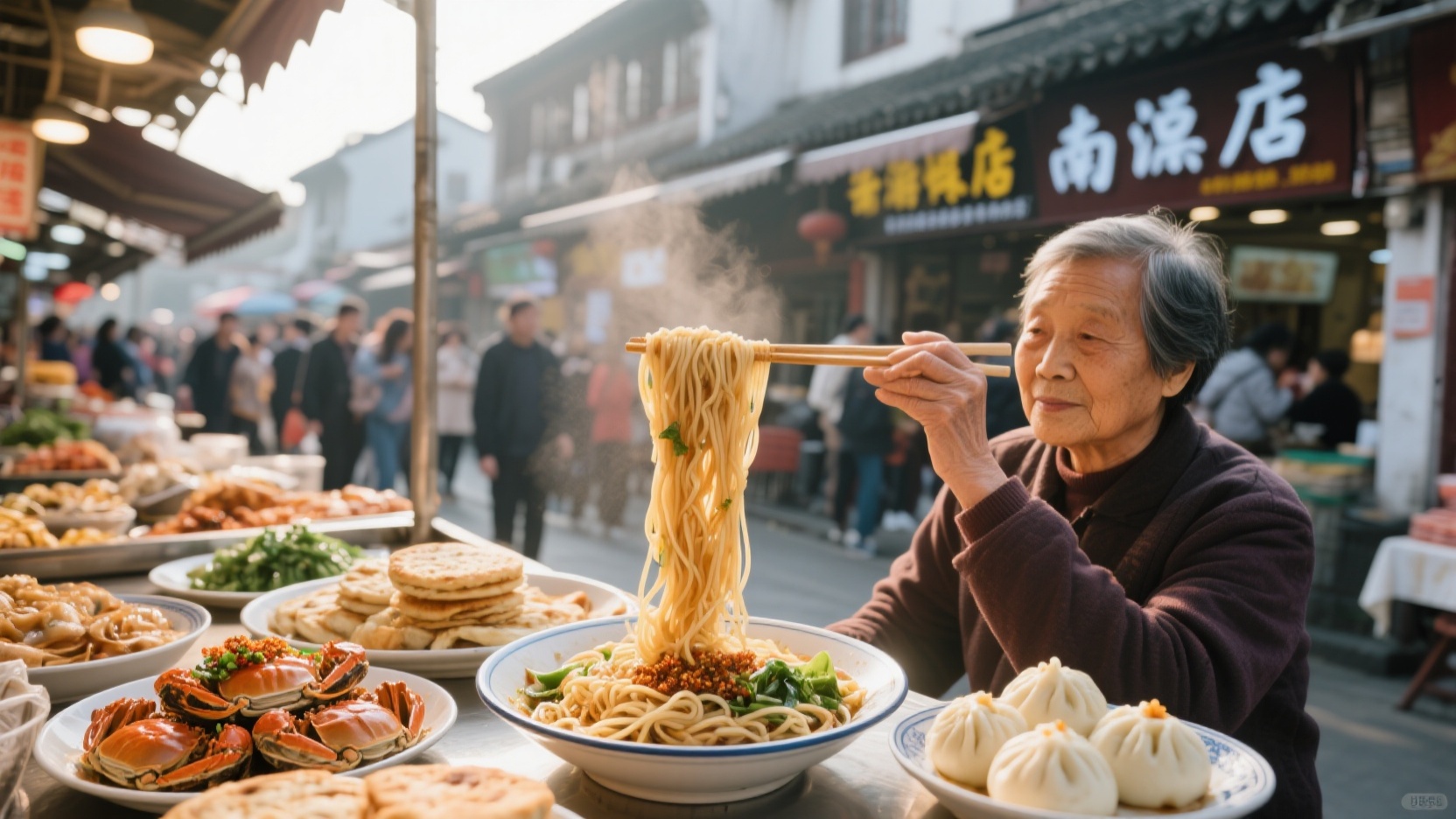
Having lived in Nantong for almost seven years, what I fear most is seeing friends from other places rushing to "Jianghai First Fresh" restaurant by the Haohe River with online must-eat lists. The scene is similar to my mother being tricked into buying health products through TV shopping.
Nantong cuisine is hailed as "the freshest food from the Yangtze River and the sea," but many trendy restaurants cater to tourists, offering a completely different experience from what locals eat. Below, I'll first warn against the bad choices, then describe the stalls I frequent. This is all unbiased, focusing solely on the authentic experience of locals.
Let me first mention four places that are highly praised online but almost no locals go to.
The first is the row of "river seafood stalls" near the Haohe Scenic Area. Travel guides always say, "Coming to Nantong without eating river seafood is a wasted trip," but locals don't eat at the scenic area's docks. Those stalls have a high turnover rate, and much of the fish and shrimp are pre-prepared frozen goods, priced in the mid-to-high range. If you go expecting "freshly killed" seafood, what you get might be from yesterday afternoon.
The second is that old crispy biscuit shop at the entrance of Temple Street, which is touted as the "best souvenir in Nantong." Tourists from other places line up to buy gift boxes, but locals shake their heads as they walk by. The crispy biscuits get dry and hard after being left out for a while, and they crumble when you bite into them. They're not even as fragrant as the small sesame seed cakes made fresh next to the market.
The third is the chain "Nantong Local Cuisine" in the South Street commercial district. The storefront is plastered with signs proclaiming it a "time-honored brand" and "intangible cultural heritage," but the kitchen has long been an assembly line operation. The braised pork is overly salty and dark in color, like a heavily seasoned version tailored for tourists. I asked a few long-time Nantong residents living nearby, and they preferred to go home and cook a bowl of "tiao mian" (a type of noodle dish).
The fourth is the "crab roe soup dumpling," which became popular through short videos. It has a thick skin and lots of soup, but the crab flavor is weak. Many are made with frozen crab meat and crab roe, and they're not cheap. Locals either go to a dim sum restaurant in Rugao or simply wait for crab season to open them at home themselves.
Treasure 1: Shrimp Roe Noodles Stall in Yijiaqiao Market
This stall is tucked away in the southeast corner of the market. It doesn't have a proper signboard, just a glass display case and two pots. Every morning at 6:30, the vendor slowly simmers shrimp roe in lard. The soy sauce is pre-prepared and then mixed into two ounces of noodles. The noodles are chewy, and the shrimp roe has a fine, granular texture in your mouth.
How to order without making a mistake: Just order "two ounces of shrimp roe noodles, plus a clam soup." Don't be greedy with toppings; the flavor of this noodle dish comes from the shrimp roe, and too many toppings will overwhelm the taste. The clam soup is refreshing and helps cut through the richness. The price is reasonable, but the taste is definitely worth getting rid of the early morning fatigue.
Treasure Trove #2: Freshly Roasted Rice Cake Stalls in Tangzha Old Street
At the end of Tangzha Old Street, there's a small stall that only opens in the morning, specializing in gangpan (a type of baked flatbread). Gangpan is an old-fashioned Nantong flatbread, long and thin, with lots of sesame seeds on the surface, baked by sticking it to the inside of a clay pot. Freshly baked gangpan is crispy on the outside and soft on the inside, with a faint alkaline aroma.
How to order: Ask the vendor to give you a freshly fried youtiao (Chinese fried dough stick) and a bowl of soy milk. Don't buy it cold or vacuum-packed; it's like chewing cardboard when it's cold. This is a good breakfast option, and it's very cheap per person, but it's best to go before 10 am, as the stall will close up shop later.
Treasure Trove Three: Crab Roe Buns and Pan Shui Noodles at Rugao Morning Tea Shops
Rugao is not far from downtown Nantong, but its morning tea is much more authentic than the "tourist version of crab roe buns" in the city. Locals take a bus to the morning tea shops in the old alleys of Rugao on weekends. A basket of crab roe buns is steamed to order, with thin skin, plenty of juice, and distinct crab roe pieces.
How to order: A basket of crab roe buns with a bowl of noodles, and a side dish of ginger and vinegar. First, bite into a small piece and sip the soup; don't stuff the whole bun into your mouth. Don't order the large portion; two crab roe buns are just right, any more will be too rich. This is a good place to take your parents; the pace is slow, and the taste is consistently good.
Treasure Trove #4: Clam Cake Stall by Lüsi Wharf
Lüsi Fishing Port is about an hour's drive from downtown Nantong, but locals only know Lüsi when it comes to clams. There are several stalls along the dock that chop up freshly gutted clams, mix them into batter, and deep-fry them into small cakes. The freshly fried clam cakes are crispy on the outside and tender on the inside, allowing you to enjoy whole clam meat.
How to order: A serving of clam cakes with a bowl of seaweed and egg drop soup. Eat it while it's hot, and don't dip it in sweet chili sauce. The clams themselves have a fresh flavor, and the sauce will overpower them. This is a great place to take friends in the autumn; it's most comfortable to eat here while enjoying the sea breeze, and the price is very reasonable.
Treasure Trove Five: Braised Lamb Restaurants in Haimen Townships
Haimen mutton is roasted with the skin on, resulting in tender, melt-in-your-mouth meat with a mild gamey flavor. Some restaurants in town only serve this dish in autumn and winter, slowly simmering it in a large earthenware pot until the broth turns a deep reddish-brown. A sprinkle of garlic leaves adds aroma and cuts through the richness. It's hard to find this level of cooking in the city.
How to order: A small portion of braised mutton, a side of stir-fried vegetables, and a bowl of rice. Don't order boiled mutton right away; it requires high-quality lamb, and many restaurants don't do it very well. It costs between tens and hundreds of yuan per person, perfect for taking your parents on cold days; they'll feel warm afterwards.
Treasure Six: The stinky tofu stall on Temple Street and the dried tea stall in Baipu.
The stinky tofu stall on Temple Street is a completely different world from the crispy cracker stalls that tourists love to buy from. The stall fries square pieces of white tofu, with a bubbly outer skin and a tender, trembling interior. The sauce is made with shrimp oil and minced garlic, with a slightly sweet aftertaste. The stall opens around 3 or 4 pm and closes around 7 or 8 pm.
What to order: Small portion of stinky tofu, ask the vendor to add an extra spoonful of shrimp oil. Don't ask if it's spicy, this stall doesn't serve chili at all. On the way, stop by the market and pick up some loose Baipu tea-flavored dried tofu from the bean curd stall. It's very savory and can be eaten as a snack or with drinks.
Don't buy gift boxes of dried Baipu tea leaves; buy them loose. Eat them fresh, and they'll become more fragrant the more you chew them. This is a common sight on local tea tables, and it's a little something I always bring back whenever I go back to Nantong—cheap and delicious.
In closing, here are five tips you shouldn't ask locals who didn't tell you:
First, don't ask if it's spicy. Nantong cuisine is mainly savory and salty, and spiciness is not the main focus. If you ask if it's spicy, the owner will pause for a moment and then tell you, "We don't rely on spiciness."
Second, avoid going during peak meal times. These food stalls and small restaurants are small and crowded, with people often standing to eat. Either go early or avoid peak hours, otherwise you'll just be watching others eat.
Third, avoid wearing white clothes. Eating noodles, fried food, or crab roe buns can easily cause oil splattering and crumbs. If white clothes get in, they'll come out looking messy, and you won't be able to wash them clean.
Fourth, don't use reviews to find places. Locals rely on word-of-mouth recommendations from the market, and many stalls aren't even listed on online platforms. If you want to find them, get up early and follow the elderly folks carrying their shopping baskets.
Fifth, don't order large portions. Nantong snacks are mostly carbohydrates with umami flavor. A small portion is just enough to taste the flavor, while a large portion will only leave you with a choice between being greasy and being stuffed.