
Eight seasonal must-try dishes in Lanzhou | A blogger's personally tested local secrets based on the solar terms (not the internet sensations)
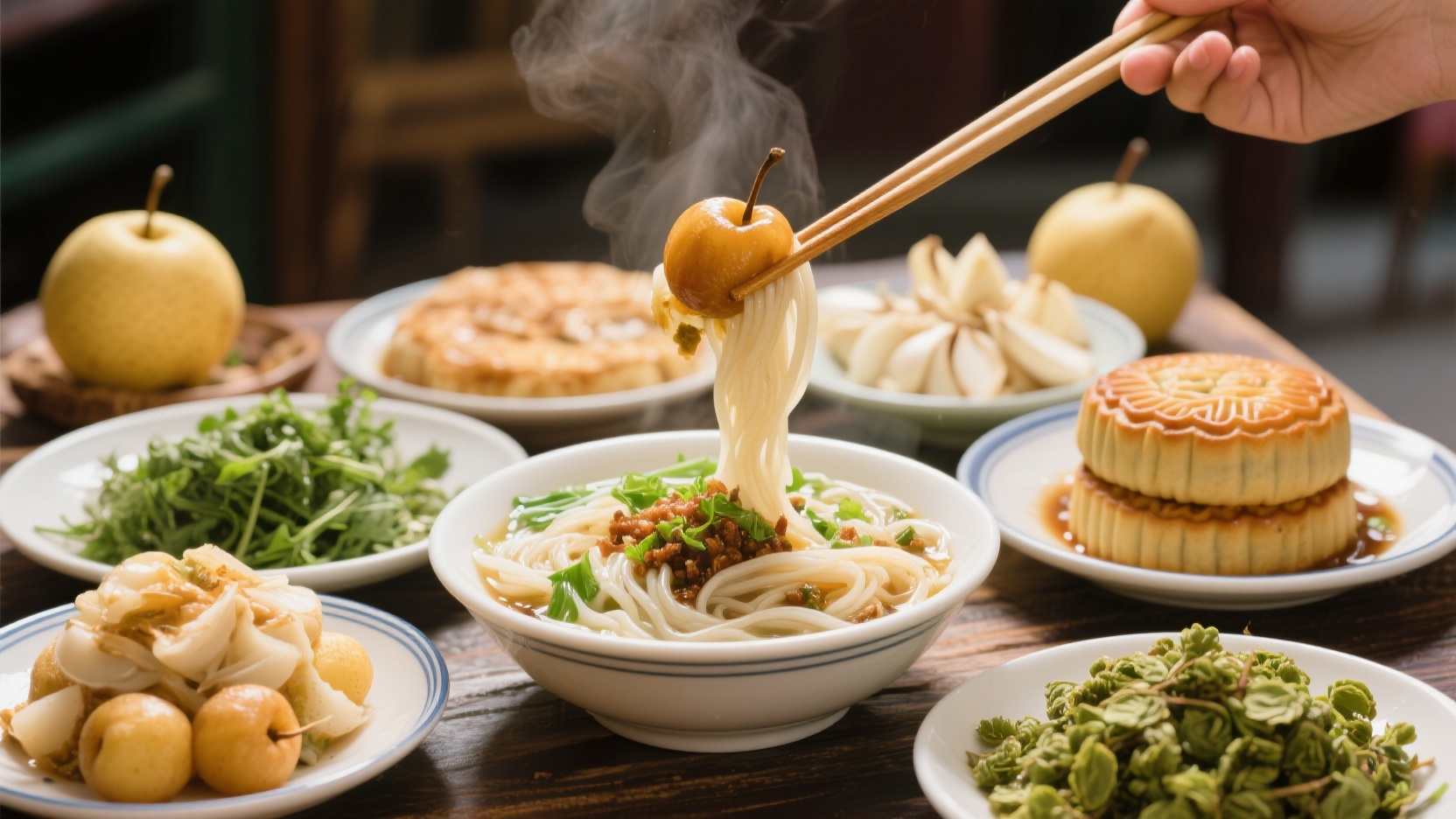
Having lived in Lanzhou for twelve years, my biggest lesson is this: you can eat beef noodles anytime, but some things truly "once they're gone, they're gone forever." Last year, a week after the Frost's Descent solar term, I stayed at the foot of Gaolan Mountain for two extra days waiting for a single soft-skinned pear to ripen on a tree. My local friends laughed at me, saying I was "more persistent than the fruit farmers." Later, I compiled a timeline of Lanzhou residents' seasonal dining tables and discovered that the culinary secrets of this city, through which the Yellow River flows, are all hidden within the solar terms.
The following eight dishes are not listed according to online popularity rankings, but rather sorted by "when can I get them?" No advertisements, just my own experience gained from eating them bite by bite. Prices are mostly affordable or only a few tens of yuan per person, making them easily accessible even for students.
From the Spring Equinox to Qingming Festival: Alfalfa sprouts and elm seeds – catching the first batch of wild vegetables is the true sign of spring in Lanzhou.
Spring in Lanzhou is short, so short that locals get anxious the moment they see alfalfa sprouts in the market: "Buy them quickly, they'll be too old in a few days!" Only the tender tips of the alfalfa sprouts are used; after blanching, they're tossed with minced garlic, vinegar, and sesame oil, resulting in a slightly grassy flavor without any bitterness—the most fleeting freshness of spring in Northwest China. They're usually sold by the bag at the market, costing just a few yuan per person, and many noodle shops will also add a "cold alfalfa salad" to their menu.
Even rarer than alfalfa are elm seeds. In mid-to-late April, the people of Lanzhou would steam elm seeds with cornmeal and wheat flour to make "elm seed dumplings," then top them with chili oil and garlic sauce. That slightly sticky, sweet taste—I've only ever tasted the most authentic version in a farmhouse courtyard by the Yellow River. Both of these delicacies only appear around the Spring Equinox to Qingming Festival; if you miss them, you'll have to wait until next year.
From the summer solstice to the hottest days of summer: Jiangshui noodles with tiger-skin chili peppers and chilled sweet fermented rice are the secrets to relieving the heat along the Yellow River.
During the hottest days of summer in Lanzhou, beef noodle shops still have long queues, but locals have long since switched to fermented vegetable soup noodles. The fermented vegetable soup is made by naturally fermenting celery or lotus root, resulting in a slightly sour and fragrant broth that must be clear and not cloudy. The noodles are best made by hand-rolling "sparrow tongue" noodles. The first time I ate it, I thought it was too plain, but later I learned from the locals and paired it with a dish of tiger-skin chili peppers or braised pork ribs. The sour, spicy, salty, and fragrant flavors instantly whetted my appetite in the high temperature.
Discerning families will order "iced fermented wheat broth," and some noodle shops only serve it from the summer solstice to the beginning of autumn, stopping when the weather cools down. Sweet fermented wheat porridge is also a summer-limited dessert, made from newly harvested oats fermented to have a wine-like aroma; mixed with ice water, it's even more addictive than milk tea. Although it's available occasionally throughout the year, only the chilled sweet fermented wheat porridge in summer is drunk like water by the people of Lanzhou. Costing a few to over ten yuan per person, it's a typical "king of street stalls."
From White Dew to Frost's Descent: Fresh lilies and layered mooncakes—sweetness is the essence of autumn in Lanzhou.
Lanzhou lilies are the only sweet lilies in the country, but the truly delicious fresh lilies are only harvested after the White Dew solar term. Lilies freshly dug from the Qilihe North Mountain are crisp like pears when eaten raw, sweet and without any fibrous residue. Locals say, "Lilies at this time are most nourishing for the lungs." I've tried eating them raw, steamed, and stewed with mutton, but the best way to eat them is steamed for ten minutes without adding sugar; the sweetness is like a balanced blend of chestnuts and yams. For just a few dozen yuan per person, you can buy very good quality fresh lilies, which also make a presentable souvenir to bring back to the south.
Around the Mid-Autumn Festival, a type of "rustic mooncake" appears in Lanzhou homes: a layered dough cake filled with bitter beans, turmeric, red yeast rice, and sesame oil, steamed and cut into pieces, its color resembling the landscape of Northwest China. This mooncake lacks the cloying sweetness of Cantonese mooncakes, but boasts a rich, layered texture of spices and wheat aroma. A friend from Lanzhou said that if you don't eat your grandmother's steamed layered mooncake on the Mid-Autumn Festival, the holiday feels incomplete. It's not commercialized; it appears almost exclusively in family kitchens and some old neighborhood stalls, a true "Mid-Autumn Festival exclusive."
From the Beginning of Winter to the Winter Solstice: Hot winter fruits and soft pears, the cold weather actually makes them sweeter.
After the start of winter, large pots steaming with white vapor appear on the streets of Lanzhou, filled with golden winter pears. Hot winter pears are slowly simmered with rock sugar, Sichuan peppercorns, and ginger slices. Once the pear flesh is soft and tender, it's eaten hot, broth and all. The first time I tasted it, my throat felt like it was being soothed by a warm current, and the cough brought on by the dry, cold northwest winds immediately subsided. Locals emphasize that "winter pears should be cooked until they are mushy," and many stalls only operate during this season, with a bowl costing only a few to a dozen yuan per person.
The Soft Pear is an even more extreme seasonal delicacy. Harvested in late autumn, these pears are left outdoors to freeze naturally, causing the skin to turn black and the flesh to melt into a honey-like juice. When eating them, you can't bite into them directly; you must first place them in a bowl to soften, then crush them and suck out the juice, or mix in a spoonful of honey. The Soft Pears from Gaolan are the most famous, but their truly delicious state only appears after repeated freezing and thawing in sub-zero temperatures. These two winter-limited fruits, paired with warm winter fruits—one warming the throat and the other moisturizing dryness—are essential for surviving the winters in Lanzhou.
Blogger's Summary and Practical Tips
These eight things have one thing in common: unlike beef noodles, they're not available 24/7. Instead, they grow and mature according to the seasons along the Yellow River. If you just want to check out trendy restaurants, you can come anytime of the year; but if you want to understand the deep-seated seasonality of Lanzhou people, you have to eat them according to the solar terms. My suggestion is to split your trip into three visits: spring, summer, and autumn. It's also worth making a separate trip in winter just for the hot winter fruit and soft pears.
Practical tips: First, alfalfa and elm seed seasons are very short, so check local market information before you travel; don't believe they're available year-round. Second, choose established shops or stalls that only serve seasonal produce like fermented bean curd noodles and sweet fermented rice; the flavor will be diminished if eaten outside of summer. Third, don't buy overpriced vacuum-packed fresh lilies at tourist attractions; instead, browse the old markets near Qilihe or the West Railway Station. Fourth, respect the ripening time of soft pears; don't bite into them immediately, or you'll end up with a mouthful of ice crystals and won't taste their sweetness. Finally: Eating according to the seasons is the right way to experience a city.