
These 8 restaurants in Lanzhou | A local must-visit list I only dared to write after three trips (not the internet sensations, with tips to avoid pitfalls)
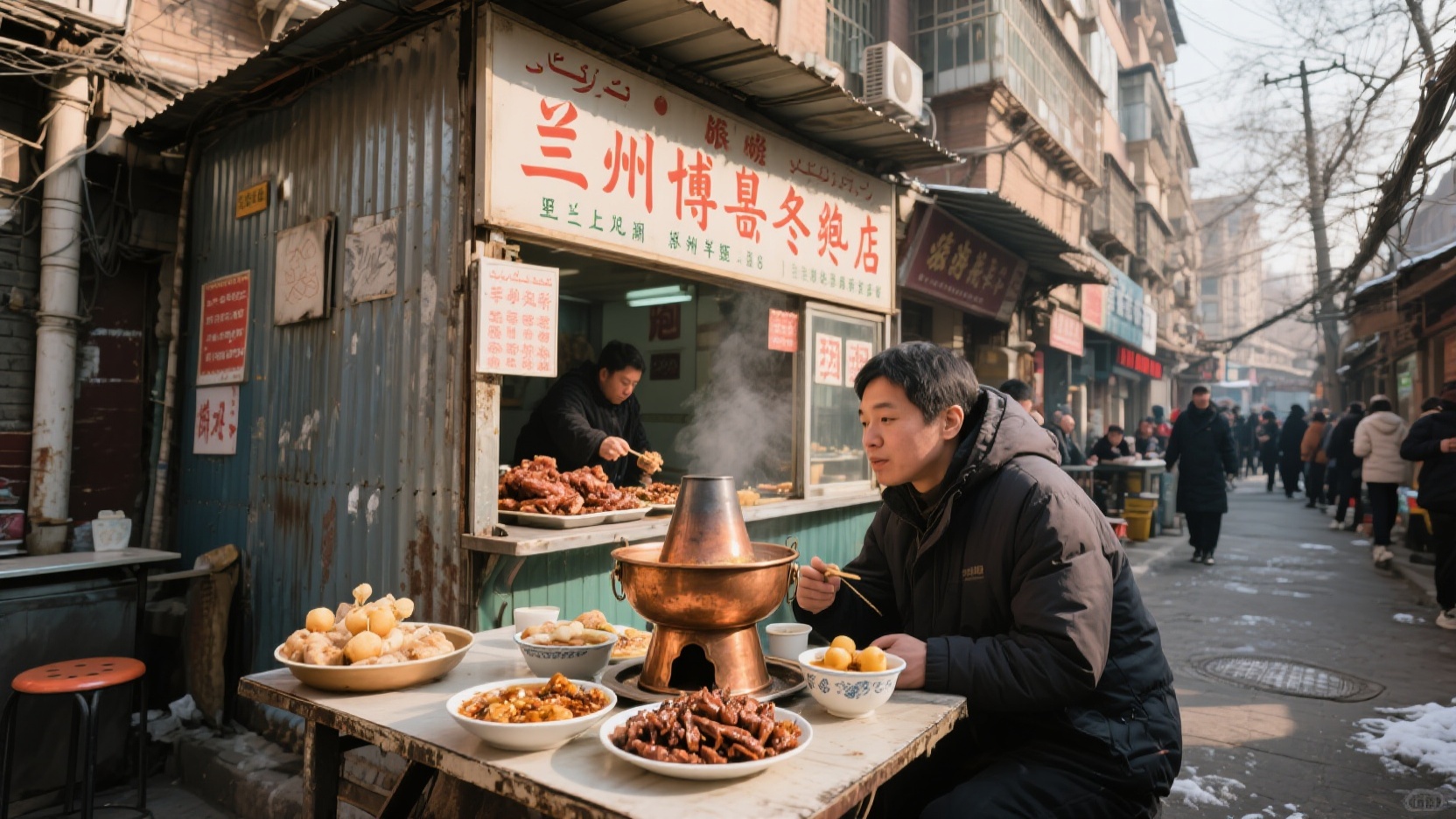
On my three trips to Lanzhou, I deliberately avoided the long lines of tourists in front of beef noodle shops and didn't squeeze into the stalls on Zhengning Road that were constantly featured in short videos. The first time, I got lost near the Xigu Old Market and stumbled upon a bowl of fermented noodle soup. The second time, I specifically squatted by the Yellow River to see which grill was smoking and which lamb offal stall had people serving pots of meat as early as dawn. The third time, I chose two hours after dinner on a weekday afternoon and chatted with an old man sitting on a small stool to compile a list of several old neighborhood shops. None of the following eight shops have ever been on the must-eat list. Their storefronts are mostly hidden in residential compounds, near bridges, and behind market gates. What they have in common is that they only cater to local regulars, the taste is consistently good, and the owners don't do marketing.
Qilihe Tin Shed Braised Meat and Fermented Noodles Stall
Let's start with the row of old residential compounds near Jianlan Road in Qilihe District. The old man selling braised meat in his tin-roofed shack only makes two batches a day; the pig's trotters and intestines are almost gone by 3 PM. Why it's worth a visit: the braising liquid is made with a rich broth and local bitter rose syrup; the intestines are meticulously cleaned, with no unpleasant odor, and a spoonful of hot braising oil is poured over them after slicing. What to order: simply ask for "intestine sandwich" or "half a pig's trotter," and ask the owner for an extra spoonful of garlic sauce. Next door, buy the sugar-coated glutinous rice cake stall near the entrance of the residential compound. The freshly fried glutinous rice cakes are piping hot, perfect for balancing the grease from the braised meat.
The fermented vegetable noodle stall next to the tin shed only operates in the summer. A large vat sits under a sunshade, the fermented vegetable broth clear and bright. Locals order a bowl of fermented vegetable noodles with "tiger skin chili" and pickled chives. The noodles are chewy, and the broth is tangy but not overpowering. If you happen to visit in July, a small shop next door will have sweet fermented rice cakes on display. You can buy a bag to take back to your hotel and chill it—it's much more refreshing than milk tea.
Copper Pot Lamb Offal by the Yellow River and Grilled Kidneys at the Bridge
Along the Yellow River, there are many tea stalls frequented by tourists, but the truly excellent lamb offal soup is hidden in an alleyway barely wide enough for bicycles. This copper pot lamb offal soup stall is only open for breakfast and lunch. The owner, speaking with a local accent, will ask new customers, "Dry-mixed or with soup?" Why it's worth a visit: Lamb tripe, lamb head meat, and lamb liver are all cooked together in one pot. The broth is simply plain soup with scallions and cilantro, without any heavy seasoning. What to order: First-timers should order the dry-mixed lamb offal soup with an extra serving of lamb head meat. The lamb liver is tender, and the lamb tripe is chewy. On the way, you can buy some old-fashioned yogurt from the Hui auntie at the alley entrance; the thick milk skin is perfect for cleansing your palate after the lamb offal soup.
In the evening, I went back to the Yellow River Bridge to find the metal cart with only one yellow light. They grilled kidneys and lamb tripe, starting at ten skewers. This stall halved the kidneys before grilling, without heavy marinating, just salt, cumin, and a little chili powder. The key is the short cooking time, resulting in plenty of juice. When ordering, just say "keep the kidneys tender," and the owner will smile knowingly. Next door, I bought some hot winter fruit from a cart under the bridge. The winter fruit and pears were cooked until soft and the soup was rich but not cloying.
Cumin fried noodles and fried potato chips in the old residential buildings of Chengguan
Hidden on the ground floor of an old residential building in the town center is a fried noodle shop. Half of its storefront is missing, but even at 3 PM, several tables are still occupied by local elderly men. This shop only sells fried noodles and braised noodles, and the chef only fries one batch at a time. Why it's worth a visit: the cumin aroma is prominent but not overpowering, the edges of the noodles are crispy, and the beef slices are generously portioned. What to order: "Cumin Fried Noodles with a Fried Egg," and a small bowl of beef bone soup. On the way, you can buy some grey beans from the window next door; the beans are sandy and not very sweet, perfect for pairing with noodles.
Not far from the old residential buildings, at the alley entrance, there's a potato chip stall that opens at 4 PM, selling only potato chips, bean curd sheets, and vegetarian chicken. The spicy flavor isn't from industrial chili oil, but from freshly fried local dried chilies. The potato chips are thinly sliced and fried until half-crispy and half-soft. When ordering, tell the owner "a little of each of the three, and extra bean curd sheets." After mixing, put it in a small paper bowl and eat it standing by the roadside for the best taste. You can also buy apricot juice nearby; it's sweet and sour, which helps to balance the spiciness.
Gao Dan Liangpi and Rose Pastries on Anning Back Street
This Gao Dan Liangpi stall on the back street of Anning University Town has no signboard and closes down at 5 PM. Gao Dan Liangpi is thicker and chewier than regular Liangpi, with a generous amount of sesame sauce and freshly ground mustard. Why it's worth a visit: Many shops use machine-made noodles, but this one is handmade, with strips cut to varying thicknesses, giving it a chewy texture. How to order: A serving of Gao Dan Liangpi with a little chili, and ask the owner to add extra sesame sauce and mustard. On the way, you can also buy hot winter fruit or gray beans from the street corner for a variety of snacks to keep you from getting tired of them.
Walking west from the back street, there's a neighborhood rose pastry shop that's been open for over twenty years, only making one batch fresh from the afternoon oven. The pastry has many layers, and the filling is bitter rose jam, slightly sweet and fragrant. When you buy it, ask for it to be fresh out of the oven; the owner will wrap it in straw paper for you. On the way, buy some watermelon from the nearby market entrance; it's very juicy and perfect for soothing your throat after a sweet treat.
Iron skewers and three-cannon-style grilled meat at Xigu Old Market
This row of skewers for grilling meat at the back gate of the Xigu Old Market is a vegetable stall during the day, only turning on the charcoal grill at night. The meat skewers are made with iron skewers, not bamboo skewers, ensuring more even heating. Why it's worth a visit: the grilled lamb is only seasoned with salt, cumin, and chili, without tenderizing powder, resulting in a truly authentic meat flavor; the grilled lamb tripe and flatbread are also skewered with iron skewers. What to order: ten skewers of lamb and ten skewers of lamb tripe, plus a flatbread to fill with the meat, all eaten hot. On the way, you can buy handmade spicy strips from the market entrance; they're not industrially packaged, fragrant but not overly spicy.
While you sit on the plastic stool waiting for your skewers, the owner will bring you a bowl of "Sanpaotai," a covered bowl containing spring tea, longan, red dates, goji berries, and rock sugar. The second infusion, with the rock sugar dissolving, perfectly balances the richness of the grilled meat. If it's windy in the evening, the dried apricots and peaches from the nearby stall are also good to take a bag of on the go.
After these three visits, my biggest takeaway is that the true vibrancy of Lanzhou isn't found on the popular food streets, but rather in residential compounds, near bridges, and behind the vegetable markets. These shops generally adhere to three principles: no advertising, no table turnover, and no catering to tourist tastes. If it's your first time, remember three things to avoid: First, don't go during peak hours. Go either early or late; queuing during peak hours will only delay the owner's preparation, and many shops close after lunch. Second, don't just order the signature dishes; many are eaten by locals with other side dishes, and ordering them separately will diminish the experience. Third, remember to bring cash, especially at the old stalls in Xigu and Qilihe districts, where payment codes are sometimes unavailable, cash is the safest bet. Finally, don't treat this list as a checklist; eat slowly to truly experience the character of Lanzhou.