
Jinhua Senior Citizens' Slow Travel | 5 Days 4 Nights with Parents: A Relaxing Trip with No Rushing, Elevators, Toilets, and Hospitals All Included (with a 20-Item Checklist)
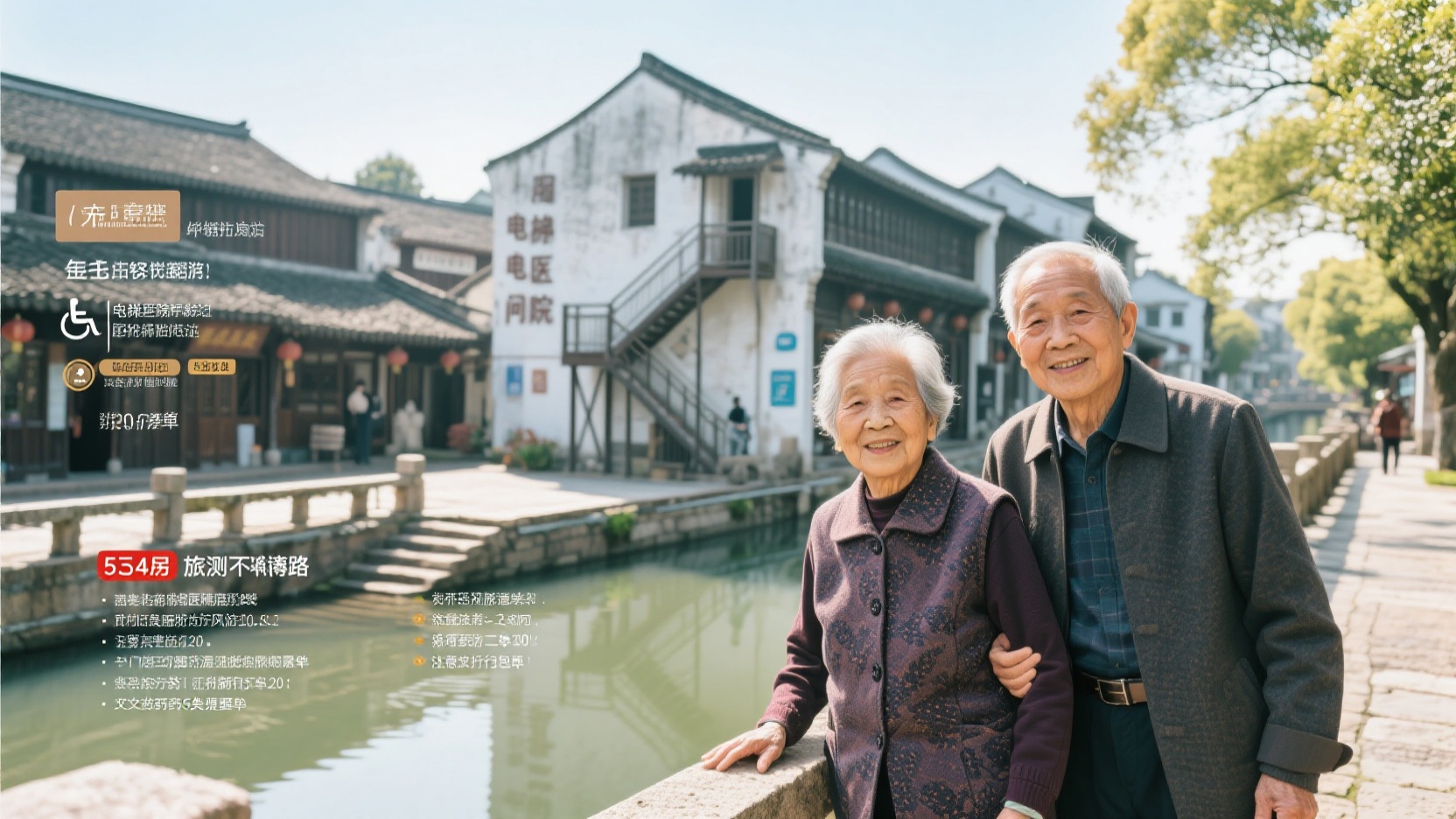
Before taking my parents to Jinhua, my biggest misconception was equating "the number of tourist attractions" with filial piety. Last time, in an ancient town near Shanghai, we walked 20,000 steps in a day, and my parents didn't dare drink water the whole time because the public restrooms required climbing stairs. This time, for five days and four nights, I scouted the area again, with only one core principle: only one or two key spots each day, and a two-hour nap at the hotel. The route below doesn't aim for a must-see; it only addresses minor issues like elevators, restrooms, walking distances, and hospital access.
1. Choose the right area for accommodation: Wucheng District is more suitable for senior citizens to enjoy a leisurely travel experience than guesthouses in scenic areas.
This time, I stayed at a mid-range chain hotel in the old town of Jiangbei, Jinhua. When choosing a room, I made sure of three things: there was an elevator from the lobby to the room, no steps at the room door, and the bathroom had a toilet and handrails. Many guesthouses near scenic spots look nice, but the old houses often have high thresholds, narrow stairs, and inconvenient bathroom access at night, so I wouldn't recommend them for families with parents. The Jiangbei area is within the starting fare range of Jinhua Central Hospital and Traditional Chinese Medicine Hospital, which was the most important "hidden guarantee" for me. If my parents are slower, I can call to confirm if the hotel can arrange a room on a lower floor, but I can't sacrifice the elevator just for a lower floor.
I return to the hotel before 2 PM every day, draw the curtains, and turn off the lights so my parents can truly lie down and rest for two hours. We go out again after 2:30 PM to avoid the midday sun. Jinhua city isn't large; the distance from the hotel to Wuzhou Park, the Ancient City, and the Wanfo Pagoda is generally within five or six kilometers, making a one-way taxi ride easy and avoiding frequent transfers. Before each trip, I slip the hotel business card into my parents' pockets, writing down their room number.
II. Five-day, four-night "less walking" strategy: Only bet on one core point each day.
On the first day after arrival, no paid attractions are planned; the afternoon will only be spent at Wuzhou Park. The riverside walkway is smooth, wheelchair accessible, and the toilets are spaced close together, including accessible restrooms. Benches are readily available for those who get tired. In the evening, we'll have Jinhua pork bone hot pot nearby, requesting the restaurant to use less salt and no spice, as this is better for the elderly's digestive systems. We aim to limit our walking to under 4,000 steps that day, primarily to allow our parents to acclimatize to Jinhua's temperature and road conditions.
If your parents' legs are still able on the second day, we'll visit Shuanglong Cave; if their knees are bad, we'll skip the gentler area at the entrance and the outer perimeter of Zhizhe Temple. There's a shuttle bus to Shuanglong Cave, but the steps inside are slippery, so bring non-slip shoes and a folding cane/chair. The temperature difference between inside and outside the cave is significant, so bring a light jacket before entering. It's about a 20-minute drive from the main city hospital. I used navigation the whole time. Parents with chronic illnesses should check their health condition first and not force themselves to enter the cave just because they're already there. After returning to the hotel for a midday rest, we'll only buy some fruit near the hotel and won't plan a second attraction.
On the third day, I suggest choosing between Youbu Ancient Town and Wuyi Hot Springs, which will be discussed separately in the next subheading. On the fourth day, visit Guzicheng in the morning and climb Wanfo Pagoda after a midday rest. Wanfo Pagoda is one of the few "elevator-friendly" heights in Jinhua, with an elevator that goes directly to the observation deck, making it very convenient for the elderly. The Guzicheng Visitor Center has accessible ramps and restrooms, but the old street's cobblestone pavement has gaps, making it bumpy for wheelchairs; I recommend only walking along the main street. On the fifth day, visit only Yanweizhou Park or the riverside walkway outside the China Wuju Opera House. Avoid rushing and entering paid areas. Before returning, let your parents sit for a while longer and enjoy the river view.
3. Day 3: Choose one of two options: Youbu Ancient Town or Wuyi Hot Springs. Consider these two points when choosing for your parents.
Youbu Ancient Town is suitable for parents who enjoy morning tea and are still mobile. The old street has a great atmosphere for morning tea and is mostly flat, but the stone slabs have gaps, so pushing a wheelchair will be bumpy. There are quite a few public toilets, but some are squat toilets, so it's best to check with the visitor center in advance to see which toilets are available. If your parents get tired easily, they can sit in the teahouse for a while instead of walking the whole street.
Wuyi Hot Springs are more suitable for parents who are sensitive to cold or have joint problems. I chose a hot spring resort hotel with indoor changing rooms and accessible ramps, and instead of letting my parents use the public pools, I booked a private hot spring bath in their room to avoid slipping on the floor and experiencing low blood sugar upon standing. Regardless of which hotel you choose, be sure to return to the hotel for a midday rest; don't combine morning tea and hot spring bathing on the same day. After the hot springs, don't shower immediately; sit down and drink a glass of warm water first.
IV. Personal Experience and Avoidance: These "Seemingly Simple" Details Are Most Likely to Cause Elderly People to Collapse
Many old street entrances in Jinhua appear flat, but shop thresholds are actually several centimeters high. Some teahouses in the Ancient City require climbing two steps. On rainy days, the stone surfaces of Youbu Old Street become damp, so make sure your shoes have non-slip soles. The temperature difference between inside and outside Shuanglong Cave can be around ten degrees Celsius; sweating before entering the cave can easily lead to a cold. After soaking in a hot spring, lean against the wall for one to two minutes to recover and avoid orthostatic hypotension.
Every day before I leave the house, I do one thing consistently: save the location of the nearest level-two or higher hospital in my navigation app and confirm that the emergency room queue won't be too long. If my parents have high blood pressure or diabetes, I need to take photos of their medical records and recent test results and save them on my phone, and also bring paper copies. It's better to carry an extra sheet of paper than to be caught off guard in an unfamiliar city. If I'm going to places a bit further from the main urban area, like Shuanglong Cave or Wuyi Hot Springs, I check in advance if there are any township health centers along the way and have a backup route in mind.
V. Blogger's Summary: The core of leisurely travel for seniors is not saving money, but allowing enough time to "recharge".
The most cost-effective way to travel to Jinhua with your parents is to plan less. Five days to visit only about five key attractions, with two hours of rest at the hotel each day, is more practical than any trendy tourist spots. Jinhua's advantages are its flat urban areas, proximity to hospitals, and a variety of light and delicious food options. The disadvantages are some old streets with cobblestone streets and squat toilets, so be prepared. The packing list and medication reminders below are recommended to be checked item by item before departure.
20 items to pack for seniors traveling: 1. Non-slip shoes; 2. Folding cane/chair; 3. Lightweight folding commode chair or disposable urine bag; 4. Medicine box; 5. Medical insurance card and medical record summary; 6. Thermos cup; 7. Individually wrapped biscuits; 8. Light jacket; 9. Wide-brimmed hat; 10. Portable raincoat; 11. Magnifying glass; 12. Spare reading glasses; 13. Power bank; 14. Paper emergency contact card; 15. Hotel business card; 16. Non-slip bathroom slippers; 17. Disposable bed sheet; 18. U-shaped pillow; 19. Night light; 20. Foldable shopping bag.
Five Commonly Used Medications: Cardiovascular medications (such as antihypertensive drugs and nitroglycerin) must be carried on your person and cannot be checked in; hypoglycemic drugs and glucose tablets should be kept separate to prevent hypoglycemia; respiratory medications such as aerosols should be kept away from heat; gastrointestinal medications should be used to address traveler's diarrhea or other digestive issues; external medications such as liniments, band-aids, and iodine swabs should be used. Keep all medications in their original packaging and with the instructions. Consult your doctor before going to hot springs or long-distance travel.