
Harbin Avoid-These-Tours List | Locals' Guide to Avoiding These Popular Restaurants: These 8 Places Are Truly Worth Visiting
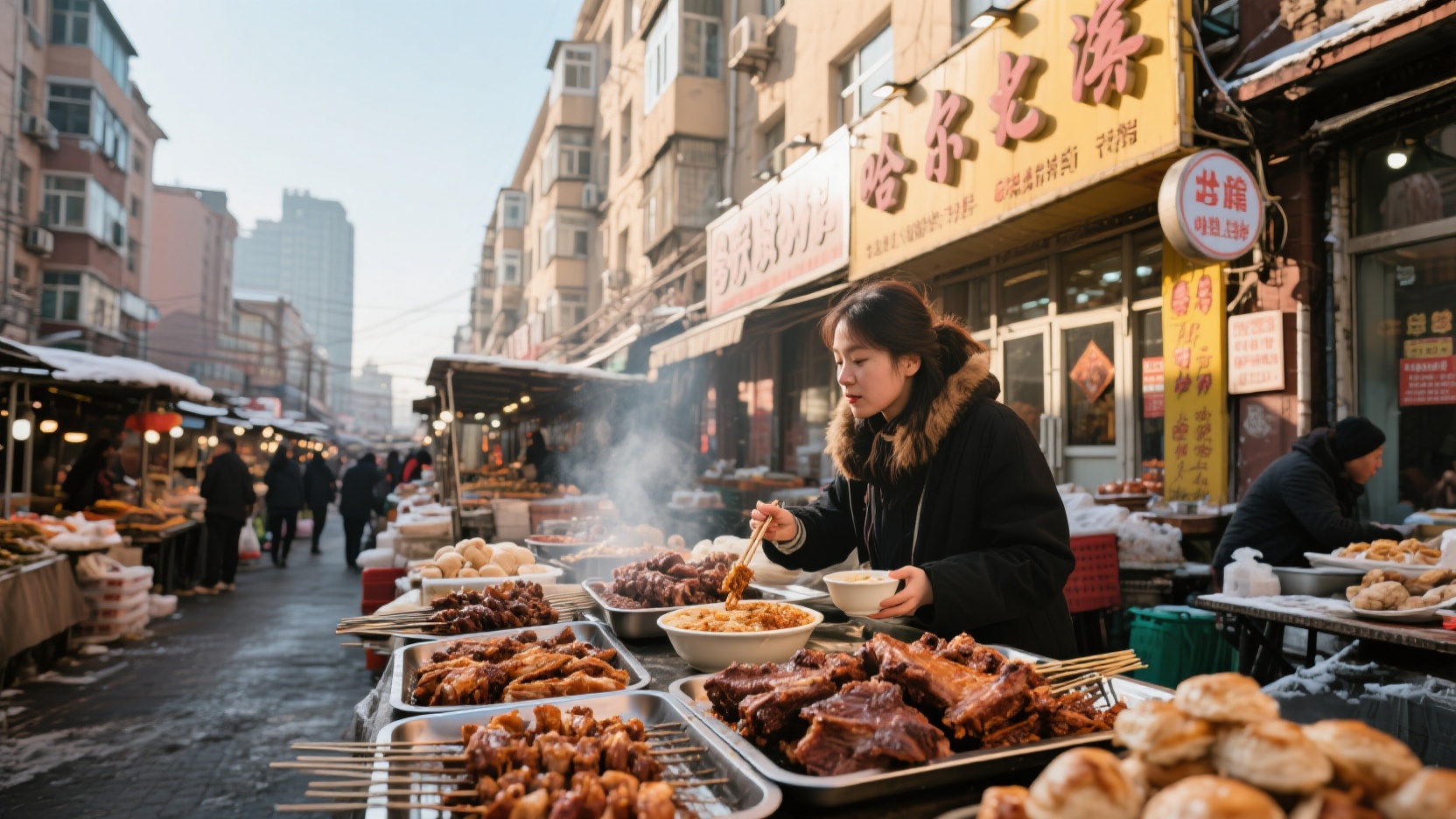
In my fifth year in Harbin, I queued for forty minutes on Central Street to buy the "must-try Guo Bao Rou" (sweet and sour pork), and laughed after the first bite—locals would never come back for this. Those online "must-eat Harbin food lists" are half for tourists, and the other half are just locals too lazy to argue about. Today, let's skip the fluff, debunk three pitfalls, and then introduce eight hidden gem restaurants I frequent.
Three must-eat food pitfalls: Even locals shake their heads in disapproval.
The first disappointment was at a long-established Russian restaurant on Central Street. The guidebooks touted it as having "a century of Russian ambiance," but locals rarely went unless they were visiting relatives from out of town. The place was cramped, tables turned over quickly, the borscht tasted watered down, and the braised beef had more carrots than meat. The true soul of Russian cuisine lies in small neighborhood eateries, which I'll discuss later.
The second disappointment was the top-rated online sensation, Guo Bao Rou (sweet and sour pork). The wait was at least 40 minutes, but the quality was inconsistent; the sweet and sour sauce was sometimes cloyingly sweet and sometimes sour. Locals prefer the smaller, older-looking restaurants in Daowai, where the pork tenderloin is cut thicker, the batter thinner, and the sauce coats it perfectly, resulting in a satisfying "crunch" sound rather than a smooth, chewy texture.
The third pitfall is a certain top-rated barbecue restaurant. The atmosphere is indeed lively, but the skewers are large and dry, and the seasoning overpowers the meat flavor. The essence of Harbin barbecue lies in the alleyways of residential areas: small charcoal grills, small iron skewers, meat skewered fresh daily, and owners who remember regular customers' dietary restrictions. Don't treat lists like gospel; they're just a business focused on attracting customers.
Hongzhuan Street Morning Market: Don't just focus on fried cakes, these two items are the soul of the market.
The Hongzhuan Street morning market is already steaming at six in the morning on winter days. Tourists crowd around the fried cake stalls taking photos, while locals head straight for the tofu pudding stall next door. The savory broth is topped with wood ear mushrooms, daylily buds, and egg flowers, drizzled with a spoonful of chive blossoms and chili oil, and served with a freshly fried fritter. After eating it, you'll be sweating, and it's more satisfying than any trendy breakfast.
If you absolutely must have fried cakes, remember to buy the freshly made ones with rose-flavored red bean paste filling. The outer layer is crispy, and the red bean paste is piping hot; once it cools down, it becomes a lump of oily dough. But the real breakfast combination for old Ha is a bowl of tofu pudding with a fried dough stick and a tea egg—a few yuan's worth of food that warms you up from head to toe. Don't wear a white down jacket to the morning market; not only will the fryer splatter oil, but you'll also get covered in dust from the crowds.
Daowai Old Brand: Braised Pork with Casserole - Only then can you truly say you've eaten Harbin food.
Lao Renyi Braised Pork in Daowai District has an inconspicuous storefront, and during mealtimes, the entire restaurant is filled with local accents. The braised pork is stewed until it's almost translucent, falling apart with chopsticks; the fatty parts melt in your mouth, and the lean meat is tender. Ordering a piece of braised pork requires a bowl of rice, two spoonfuls of broth, and a side of pickled cabbage noodles to cut the richness. A foolproof order: one piece of braised pork, one bowl of rice, and one side of pickled cabbage noodles per person is enough.
The Lao Wan Casserole restaurant next door is famous for its casserole with pork bones and tofu balls. The broth is clear but flavorful, and the meat on the bones falls off the bone with a gentle suck. Served with a freshly baked oven-baked flatbread, which you tear apart and soak in the broth, it's even more delicious than eating it alone. Don't order the large portion; the Northeastern-style casserole is generous, and the small portion with the flatbread is just right.
Local skewers in residential areas: a local way of enjoying barbecue, not on the list.
The small skewer shops around Ansong Street are so small they're easy to miss, but they're usually packed after 6 pm. Beef skewers, lamb skewers, and tendon skewers are served by the handful on small iron skewers, the charcoal fire heat penetrating directly into the meat. How to order: start with a handful of each type of skewer, then order a bowl of dumpling soup, and finally grill two tripe skewers for a hot pot base—the more you eat, the warmer it gets.
The old-fashioned barbecue stalls in the Pianlianzi area are famous for their grilled chicken necks. The skin is grilled to a crispy golden brown, while the meat inside is tender and juicy. Paired with a bowl of corn porridge, it's both refreshing and warming. Locals don't order large platters of barbecue; they add small skewers one handful at a time, and ask for more if needed—that's the way they eat. Don't wear white clothes, or you'll get oil flying everywhere from the skewers.
Delicious food and Russian cuisine: Stop focusing on big brands, neighborhood stalls are more to your liking
At the smoked and braised food stalls in Daoli Market, pork intestines, pine nut sausages, and braised beef are sold by weight, and many local elderly people line up. The pork intestines have less starch and a rich meaty flavor, while the pine nut sausages reveal the pine nuts when cut open. Buy some, slice a plate, and serve with rye bread and pickled cucumbers for a truly authentic Harbin afternoon tea. How to order: Buy half a pound each of pork intestines and pine nut sausages; don't buy the sealed gift boxes, freshly sliced ones are the best.
If you're craving Russian food, avoid the fancy restaurants on Central Street and look for the smaller Russian eateries near Gexin Street. Their braised beef is plentiful and has a rich broth, their borscht is sweet and sour and appetizing, and their black bread is best enjoyed dipped in the broth. Don't order too much; one serving of braised beef, a bowl of borscht, and a glass of kvass per person is just right.
In closing: 5 tips you shouldn't ask locals who didn't tell you
First, don't ask if it's spicy. Harbin cuisine is mainly savory and salty, with a generally low spiciness level. Asking this question will easily reveal your tourist status. Simply saying "less salt" or "normal cooking" will make you feel more comfortable than asking about the spiciness.
Second, avoid peak meal times. These hidden gems have limited seating, so during lunch and dinner rush hours you'll likely have to share a table and wait in line. Locals usually go early or late. 10:30 AM, 1:30 PM, and 8:30 PM are the most comfortable off-peak times.
Third, avoid wearing white clothes. Grilled meat, barbecued food, fried food, and smoked and braised food are all traps of oil and sauce. Especially at market stalls, dark-colored clothes are more resistant to getting dirty and won't cause embarrassment after eating.
Fourth, don't rely on reviews. Many good restaurants in Harbin have low ratings or aren't even listed on the best food charts; locals rely on asking their neighbors for recommendations. Restaurants with high ratings on reviews often spend more time on marketing than on their kitchens.
Fifth, don't order large portions. Northeastern Chinese cuisine is known for its generous portions; two people often can't finish just two dishes. Start with small portions and add more if needed. This way, you won't waste food and you can try more dishes.