
How can you make the most of your trip to Changchun to eat your way through the best food? I've planned it out for you based on the number of people and the number of days.
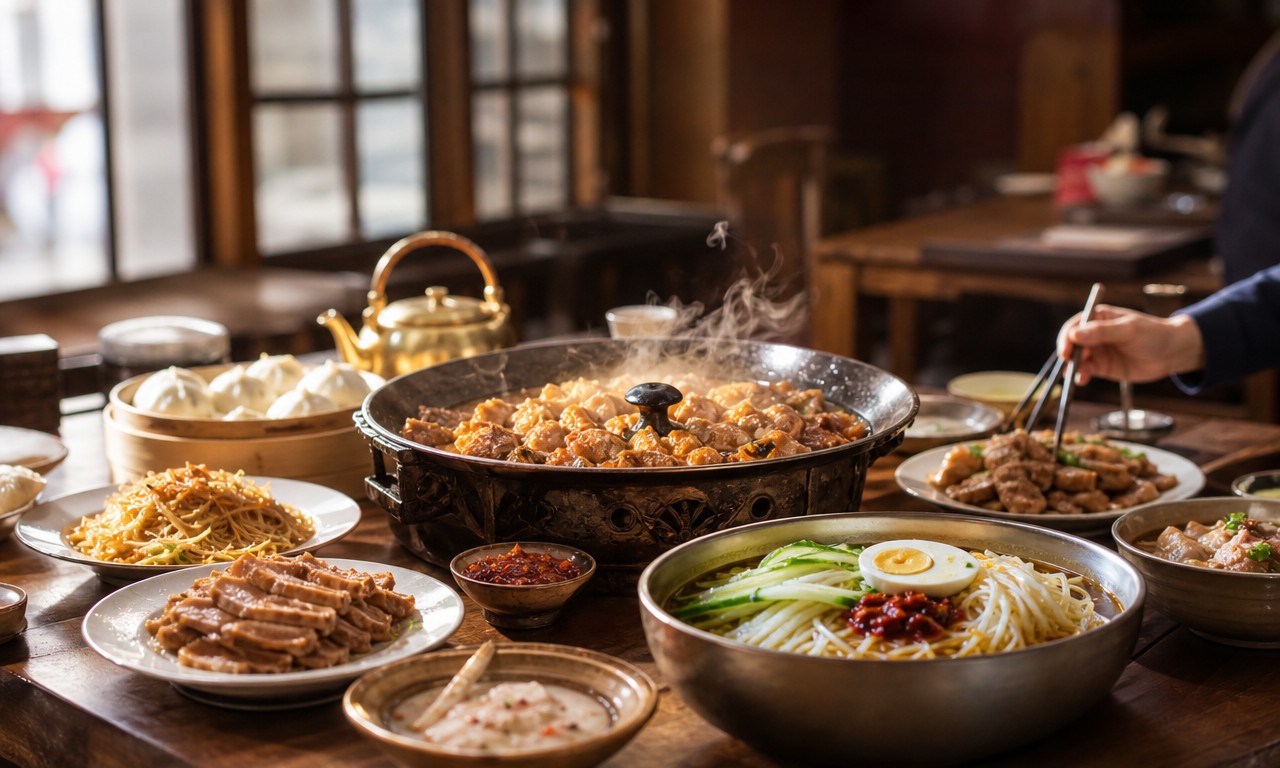
This article answers a straightforward question: When eating local delicacies in Changchun, how should one plan their trip if they are traveling alone, with two other people, with elderly people, or with children, and their budget ranges from tens to hundreds of yuan per person, and they are only staying for one meal, one day, or three days? This question deserves a serious answer because Changchun's cuisine is a mix of Northeastern Chinese food, Korean ethnic flavors, and street food. If you don't choose according to your own pace and the preferences of your travel companions, it's easy to end up eating the same things repeatedly, eating too much oily food, or missing out on the authentic local flavors.
First ask yourself: I only have one meal left, how should I put myself in this situation?
If you're only having one meal, don't aim to "eat your way through Changchun," but rather find a flavor that will linger in your memory after you leave. Go alone to a small, affordable restaurant where locals line up at lunchtime on a weekday. Order a bowl of cold noodles with meat sauce and cucumber strips, paired with a small portion of crispy fried pork belly. This combination isn't greasy, you can easily finish it by yourself, and it satisfies both Korean and Northeastern Chinese tastes.
If the meal is for a couple with a mid-range budget, the best choices are shumai with tripe at a well-established Hui restaurant, or hot cold noodles with charcoal-grilled beef in Korean style. Both are suitable for two people to share, the table isn't crowded, and there's a sense of interaction while eating. For parents, the options are completely different. If it's just one meal, avoid raw, cold, or overly sweet dishes. Instead, opt for a pot of sauerkraut with pork belly and blood sausage, served with two bowls of rice. The elderly will feel satisfied and have a sense of "being in Northeast China." If it's just one meal with kids, go to a dumpling restaurant and order steamed dumplings and a small amount of braised pork ribs, avoiding fried and spicy dishes. Both adults and children can safely finish the meal.
If it's a full day, it would be better to schedule the timeline by group of people from morning to night.
The worst thing about a day's itinerary is eating too much in the morning and being too full to walk at noon. For solo travelers, a good starting point is to grab some tofu pudding with fried dough sticks or cornbread with soy milk from a local breakfast stall. For lunch, head to a Korean restaurant for a small bowl of miso soup rice. In the afternoon, stroll along Guilin Road for a street food treat with grilled eggs or slices of grilled bread. Dinner is back near your accommodation for smoked meat pancakes or a bowl of chicken soup with tofu skewers. This routine is inexpensive per meal, but provides a varied and enjoyable experience throughout the day.
A couple's day can start at the morning market, sharing a plate of fried rice noodles with an egg. For lunch, head to a mid-range Korean restaurant for grilled pork belly and bibimbap. In the afternoon, find a small stall selling ice cream and rice cakes and share them. For dinner, go to a traditional Northeastern Chinese restaurant and order half a portion of sweet and sour pork, half a portion of stir-fried potatoes, eggplant, and green peppers, and a bowl of corn porridge. Sharing food reduces the amount of food and allows for more variety. For parents, breakfast could be hot porridge with meat pies. Lunch could be a fish or chicken stew in an iron pot with cornbread. After lunch, rest at the hotel for an hour or two. Dinner could be a simple bowl of pickled cabbage and shredded pork noodles. Don't plan too many meals; two proper meals a day are enough for elderly people. For a child, breakfast could be small wontons. After a walk in the park, lunch could be a large pot of stewed pork ribs and green beans, where the child can pick out the soft green beans and noodles. Dinner could be a bowl of cold noodles with a strong tomato flavor near the accommodation.
If you're staying for three days, you should allocate the time as follows: "Day 1: Foundation building; Day 2: Special stretching; Day 3: Checking for any remaining issues."
On the first day, avoid overly demanding dishes and allow your stomach to adjust to the oil and salt in Northeastern Chinese cuisine. A budget-friendly option is to have dumplings with mixed vegetables on the first day, cold noodles and sweet and sour pork on the second, and finish with rice soup and grilled skewers on the third. A mid-range option is to have boiled tripe and shumai at a Muslim restaurant on the first day, Korean grilled beef and rice sausage soup on the second, and sauerkraut and pork hot pot and cold noodles on the third. Make sure to have at least one meal that's leisurely and relaxed, rather than relying entirely on fast food.
For a three-day trip with parents, plan one day for stew, one day for dumplings or shumai (a type of noodle dish), and one day for porridge and pancakes with side dishes. Avoid fried and grilled foods for two consecutive days. For a three-day trip with children, plan one day for dumplings, one day for tender stewed green beans and pork ribs, and one day for cold noodles, but ask the vendor to add less ice and cut the noodles shorter. For a three-day solo trip, it's suitable to break up street food into each day's meals. Only have one formal meal at a restaurant each day, and supplement the other two meals with foods like tofu skewers, rice rolls, fried skewers, cold rice cakes, and beef patties—food to eat on the go. This way, you won't feel too lonely eating and can experience more of the local daily life.
How should the budget be divided? In Changchun's food scene, affordable, mid-range, and high-end aren't categorized as "high" or "low," but rather as "different uses."
In Changchun, affordable food stalls aren't about settling; many local snacks are simply worth only a few dozen yuan per person. Solo travelers or those on a journey can easily stop at these stalls for cold noodles, dumplings, rice rolls, tofu skewers, chicken soup tofu skewers, fried rice noodles, and smoked meat pancakes – every meal can be a memorable experience. Mid-range stalls are for more formal meals, such as iron pot stew, Korean barbecue, Hui-style shumai, and sauerkraut and pork hot pot. These dishes are perfect for sharing with two or three people, and you can eat comfortably for around a hundred yuan per person.
High-end restaurants aren't mainstream in Changchun. Restaurants with a pleasant ambiance and those specializing in high-quality stews can be reserved for the third night, or as a "comfortable meal" for parents during their trip. A higher budget doesn't necessarily mean expensive food; it means sacrificing time for a better dining experience. For those traveling with children or solo, it's not recommended to spend too much on high-end restaurants; children won't appreciate it, and one person won't feel the value for the portion size.
Where you stay will directly affect how convenient it is to find food.
If your primary focus is on dining, staying near Guilin Road, Hongqi Street, or Chongqing Road will be significantly more convenient. These three areas offer affordable snacks during the day and barbecue skewers and small restaurants at night, making it easy to plan your day on foot. For travelers with children or elderly relatives, it's recommended to stay on the outskirts of these areas, ensuring convenient access to meals without the noise disturbing your rest at night. If you stay in a new district or development zone, your dining options will tend to be more chain restaurants in shopping malls, diluting the local flavors and requiring you to take a taxi to find suitable food.
For those only staying for a day, staying close to the train station is more practical than staying close to tourist attractions. Many of Changchun's traditional delicacies are located in the old residential areas around the train station. Arriving in the morning, you can eat first and then explore, making the pace smoother. For those with a three-day trip, it's better to book accommodation in one place and use public transportation or taxis to get to restaurants in different directions, saving time compared to changing hotels every day.
The season determines whether you need to adjust the ratio of "pot" to "cold".
In winter in Changchun, stews like iron pot stew, sauerkraut with pork belly, and blood sausage are the top choices. Cold noodles can be tried, but not a staple. In summer, cold noodles become a priority, even better with grilled skewers or side dishes. Spring and autumn offer the most flexibility, with little need to adjust the menu based on the weather. For those traveling with children or parents, avoid outdoor stalls with long queues in winter, and be aware that some small restaurants may have insufficient air conditioning, making it stuffy and uncomfortable to eat slowly in summer.
One last piece of advice: When enjoying local delicacies in Changchun, don't make "checking off tourist attractions" your main focus.
Many foods in Changchun aren't amazing from the first bite, but rather they become truly satisfying as you eat more. For example, the sweet and sour balance of the sweet and sour pork only becomes perfect after the third piece; the sauerkraut hot pot only becomes palatable after the second bowl of soup; and the cold noodles only release their flavor after the ice melts a bit. Leaving yourself some room to revisit certain dishes is a more authentic local approach than rushing to photograph every restaurant. After selecting your itinerary based on your group, number of days, and budget, the most important thing is to order fewer dishes and savor the experience at your own pace.