
Six restaurants in Zhengzhou with no queues | A blogger's secret list after three visits, only a seasoned foodie in the western suburbs can recommend (with tips on avoiding pitfalls)
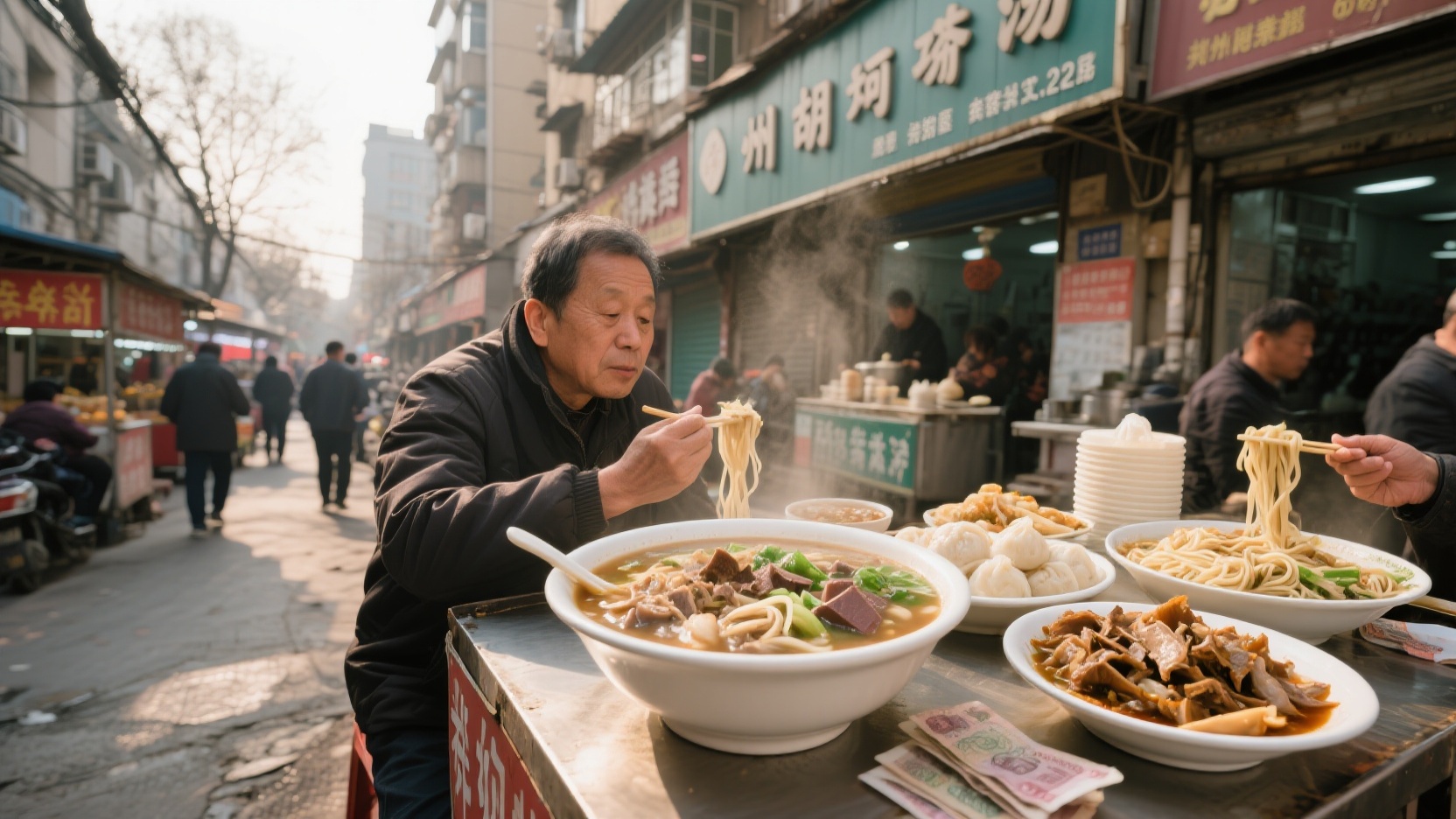
I made three trips to Zhengzhou, specifically removing the restaurants repeatedly promoted by marketing accounts from my favorites list, leaving only the local eateries that only local foodies could find. The first time I scouted them out was before the morning rush hour, the second time during a weekday lunch break, and the third time after 9 PM at the night market. My selection criteria were very practical: no marketing, not on must-eat lists, no long queues, but every dish served was worthwhile. The following six restaurants are located on Mianfang Road, Guancheng Old Alley, Jingba Road, Beizhakou, Ruhe Residential Area, and Funiu Road, and you can basically eat your fill for just a few dozen yuan per person.
West Suburbs Cotton Mill Road: Mixed Spicy Soup with Vegetables (likely a type of meatball)
This spicy soup shop in the old state-owned factory residential area in the western suburbs has been open for over twenty years, its storefront so old the lettering is barely legible. The soup base is simmered with beef and lamb bones at three or four in the morning, and the gluten is hand-washed. It doesn't have the pungent, head-on spiciness of some other soups, making it more suitable for locals who prefer a richer, more robust flavor. Their signature dish is a mixed platter: half spicy soup and half tofu pudding. The tofu pudding is tender, the soup is thick, and after stirring, the numbing spiciness is perfectly balanced by the bean flavor. Remember to also order a side of "vegetable pancakes," filled with chives, eggs, and vermicelli, with a paper-thin wrapper.
How to order: Simply say "mixed, less vinegar," don't stir it yet, take a couple of sips of the original broth, then add a spoonful of mutton fat chili. Be sure to order some freshly fried dough sticks from the window next door; tear them apart and soak them in the broth—it's more satisfying than ordering the signature ones separately. Walk a few steps west, and you can buy some old-fashioned sponge cakes from the stall for afternoon tea; they're crispy on the outside, moist on the inside, and not too sweet.
Guancheng Old Alley: Lamb Offal Soup with Steamed Buns
This mutton offal soup stall in Guancheng Hui Muslim Alley is so popular that even long-time residents who moved away due to nearby demolition make a special trip back for it. The broth is milky white and not gamey at all; the lamb tripe, lungs, and liver are meticulously cleaned, without a trace of off-flavor. The owner gets up at dawn to cook the first pot, and people are already bringing their pots to get theirs by 6 a.m. The biggest difference between this place and other trendy mutton soups is that they don't pile on the amount of meat; instead, they let the broth and chili oil speak for themselves.
Order "all mixed meats with mutton fat and chili," and the owner will give you an extra handful of mutton tripe. Don't eat the steamed bun directly; break it into large pieces and soak it in the broth. After absorbing the broth, it'll be even more fragrant than the meat. At the braised beef stall at the next intersection, you can get some beef shank to take away; the meat is dry, fragrant, and doesn't get stuck in your teeth. If you happen to be there when they're frying sugar cakes, buy a couple; the sweet and savory combination is very satisfying.
Jingbalu Community: Chicken Blood Soup with Potstickers
This chicken blood soup shop on Jingba Road is located on the ground floor of a residential building, not facing the main road, so it's easy to miss it on your first visit. The soup base is made from whole chickens, and the chicken blood is freshly collected and cooked daily, resulting in a smooth texture like soft tofu. Unlike chain restaurants, it doesn't have a strong peppery flavor; instead, it relies on white pepper to slowly enhance the freshness. A bowl of this on a winter's afternoon warms you from your stomach to your fingertips.
The signature whole blood soup base is topped with chicken intestines and gizzards, and the soup is generously seasoned with white pepper and cilantro. The potstickers should be freshly pan-fried; the bottoms are crispy, and the filling contains a touch of minced ginger. You can also buy the tofu skewers from the sesame seed cake stall next door; the tofu skewers are savory and flavorful, and eating them with the chicken blood soup is a perfect way to cool down the spiciness.
Beizhakou Old Residential Compound: Steamed Bowls and Crispy Pork Casserole
Hidden in the old residential compound near Beizhakou are two shops I personally adore. One makes old-fashioned steamed dishes, such as braised pork with fermented bean curd, crispy pork, and braised chicken, all steamed in earthenware bowls, the aroma of the meat practically filling your nostrils. The other is tucked away in an alley, making crispy pork casserole, with a bone broth base, served in a casserole still bubbling. What they have in common is that they don't do takeout or group buying, and they close after 2 PM.
For the steamed bun shop, I recommend ordering fermented bean curd pork and crispy pork first, along with a freshly steamed bun. Tear the bun open and stuff it with the fermented bean curd pork; the juice will seep into the bun. For the crispy pork casserole, order the crispy pork and a vegetarian casserole combo. Eat the crispy pork first, then add a spoonful of chili oil and drink the soup. The stall next door selling fried lotus root sandwiches is only open on weekends, so if you can get them, don't hesitate to buy them.
Ruhe Community Night Market: Almond Tea and Fried Jelly Noodles
The Ruhe residential area is more lively at night than during the day, but most tourists just follow the crowds to the popular food stalls. The real locals queue for almond tea from an old pushcart at the east end of the area. The lotus root starch is freshly made with boiling water, and the toppings are plentiful: hawthorn, crushed peanuts, raisins, and black sesame seeds—so thick that a spoon can stand upright. Next door, an elderly couple runs a cold noodle stall, frying the noodles until they're slightly charred before taking them out of the pan. A drizzle of garlic sauce and chili oil fills the air with an aroma that travels halfway down the street.
Stir the almond tea while it's hot, and don't rush to eat the toppings. Wait until the lotus root starch slightly coats the sides of the bowl before scooping it out spoonful by spoonful. When ordering stir-fried mung bean jelly, remember to ask for "with a crispy skin" and an extra spoonful of garlic sauce. On the way, buy a serving of rolled mung bean jelly or flatbread rolled with gluten, and pair it with a cup of plum juice—that's the standard evening meal in Ruhe neighborhood.
Funiu Road Vegetable Market: Rice flour noodles and flatbread rolls with vegetables
The noodle stall near the entrance of the Funiu Road market only opens around 4:30 PM and leaves as soon as it sells out. It has no sign; you can only recognize the large, steaming vat emitting a tangy aroma. The fermented rice flour batter is perfectly balanced, with a mild sourness, and the noodles are soft yet firm. Topped with sesame leaves, celery bits, and soybeans, and drizzled with garlic sauce, each bite is incredibly appetizing. Next door, the flatbread roll stall is also an old establishment. The shredded potatoes, vermicelli, bean sprouts, and cucumber strips are neatly arranged, and the sesame sauce is generously distributed.
The rice noodle soup absolutely needs some perilla leaves—that's its soul. For the rolled-up flatbread with vegetables, add plenty of sesame paste and garlic sauce; the flatbread should be chewy but not dry. You can easily buy freshly fried dough twists and old-fashioned sponge cakes at the market. Break the dough twists into pieces and soak them in the rice noodle soup; they absorb the sour broth and taste even better than eating them alone.
Blogger's Summary and Three Tips for Avoiding Pitfalls
None of these six restaurants are photogenic for social media; the environments are all quite ordinary, even a bit cramped. But after visiting three times, I can confidently say that these are the places "locals would eat at." The average cost per person is under a few dozen yuan, so two people can eat from morning till night without spending much money.
Finally, three tips to avoid common pitfalls: First, avoid going during peak meal times. Community shops have limited seating, and during peak hours, they're mostly frequented by nearby residents. It's recommended to arrive half an hour or an hour later than usual for a much better experience. Second, don't just order the signature dishes. Many hidden accompaniments are even better than the main dishes, such as the side dishes at a hot and sour soup shop or the fried dough sticks sold next to a lamb offal soup shop. Third, remember to bring cash. Some older stalls only accept cash or have poor signal, so it's always good to have some change in your pocket.