
A Day in the Life of a Zhangjiagang Resident: The Everyday Flavors of Zhangjiagang
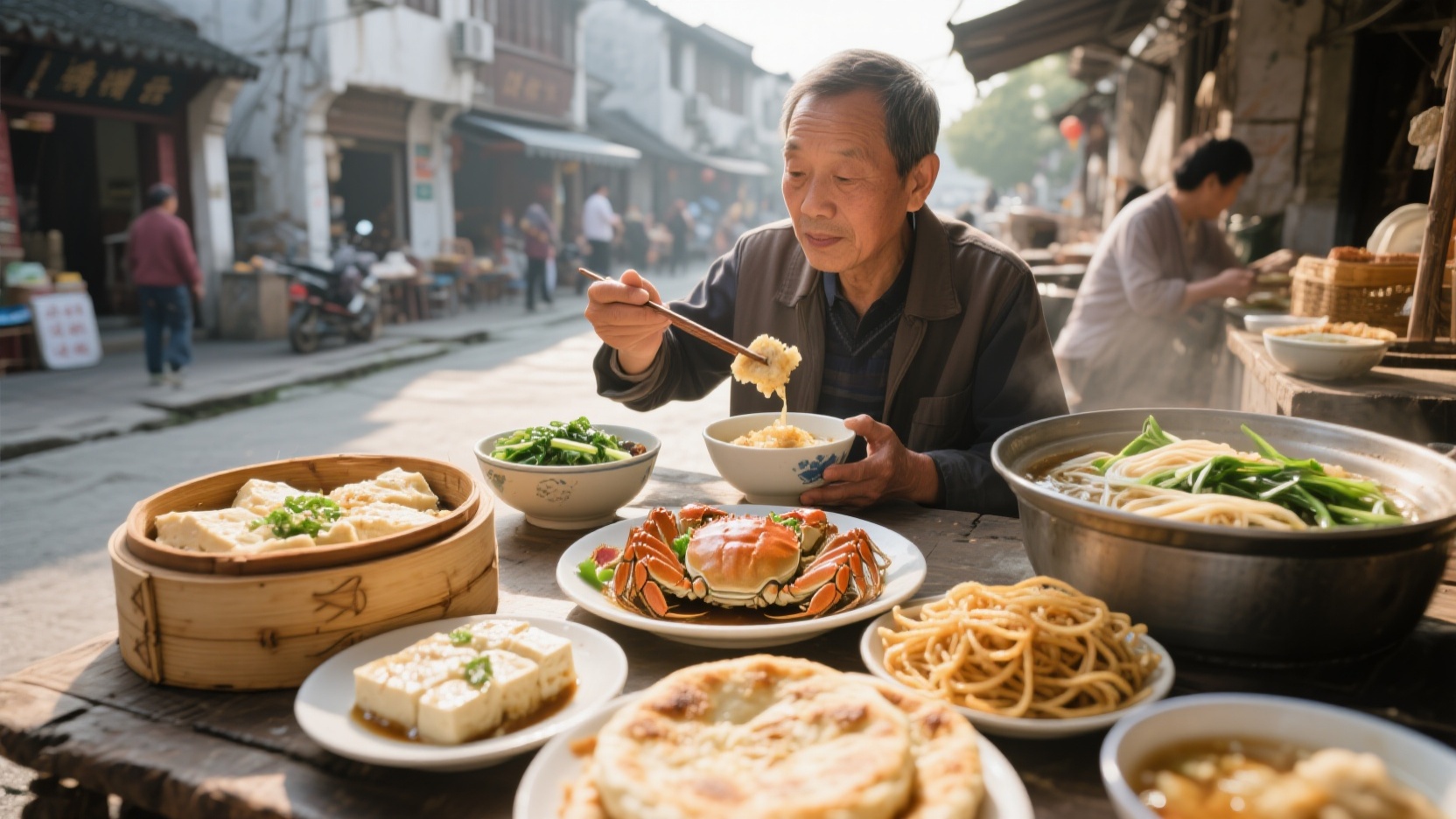
Located on the south bank of the lower reaches of the Yangtze River, Zhangjiagang is where the sandy plains and the waterways of Jiangnan converge, giving rise to a culinary character that emphasizes both seasonality and authentic flavors. The locals' daily meals are often not found in tourist guides, yet they embody the most genuine and vibrant aspects of everyday life.
5:30 a.m.: Baked flatbread and strawberry bread, carbohydrates awaken the riverside town.
Tuolu cake is Zhangjiagang's most classic morning carbohydrate. It's made primarily with all-purpose flour, diced pork lard, and white sesame seeds. Sweet fillings are mainly red bean paste, while savory fillings often use scallions and pork cracklings. After wrapping the fillings, the cakes are pressed into round shapes, brushed with sugar syrup, sprinkled with sesame seeds, and then baked in an inverted iron pan or ceramic oven using the residual heat of charcoal. The crust is flaky and crunchy, with a satisfying crackling sound when bitten, while the filling is moist but not greasy, with the aroma of pork lard and sesame slowly spreading in the mouth. In the past, farmers in the sandy areas and dockworkers needed high-calorie foods before going to the fields and carrying loads, and Tuolu cakes, being small and easy to store, became the most common "dry food" for the mornings. Even today, elderly people in Zhangjiagang still like to buy one after their morning exercise and enjoy it slowly with a cup of strong tea.
Clover sprouts, on the other hand, evoke the seasonal feeling of spring. Clover sprouts, also known as alfalfa shoots, are chopped and mixed with flour, eggs, and salt to form a batter. The batter should be of a consistency that allows it to flow slowly; too thin and it will be hard, too thick and it will be soft. A thin layer of oil is used to make round pancakes, which are then pan-fried until lightly browned on both sides. The edges are crispy, while the center is soft and tender, with a distinct clover aroma and a slightly astringent taste. This is a seasonal breakfast for people living along the riverbank; almost every household makes it when clover is in season, showcasing the ingenuity of the people of Zhangjiagang in utilizing wild vegetables from the riverbank.
Noon: Tangqiao Steamed Dishes and Phoenix Tofu – A Fresh and Delicious Experience at a Local Restaurant
Tangqiao steamed dishes, with steaming as their core cooking method, are a daily culinary experience in Tangqiao Town, Zhangjiagang. Ingredients such as pork belly, salted pork, fresh pork, tofu knots, egg dumplings, cabbage, and bamboo shoots are layered in a rough earthenware bowl, placed in a bamboo steamer, and steamed all at once using steam from a large stove. The entire process is done without stirring or adding water, relying solely on the moisture from the ingredients and the circulation of steam. Steaming time is typically controlled to 20 to 30 minutes. The gentle steam allows the amino acids in the ingredients to be fully released, resulting in tender yet firm meat, tofu knots soaked in the broth, and sweet cabbage. The broth is clear yet rich in flavor. Steamed dishes produce little oil and smoke and are not considered "heaty" (causing internal heat). Locals in Tangqiao often say, "One steamer basket is enough for three bowls of rice," making it a staple for lunch.
Phoenix Tofu originates from Phoenix Town and is made with local spring water, resulting in a high water content and delicate texture. After being cut into cubes, the tofu is first blanched to set its shape, then simmered in a rich broth until flavorful. It's then paired with shrimp, sliced shiitake mushrooms, and finally drizzled with a few drops of sesame oil. The tofu is tender yet firm, melting in your mouth, with the aroma of soybeans blending perfectly with the savory flavor of the broth. In autumn and winter, a bowl of steaming hot tofu casserole not only warms the stomach but also reflects the local tradition of meticulous processing of soy products.
3 PM: Fried dough twists and radish cakes, crispy treats in the alleyway.
Fried dough twists are a traditional afternoon snack in Zhangjiagang. Flour, eggs, and salt are kneaded into a dough; the salt increases its elasticity. The dough is rolled into thin strips, coiled into rings or comb shapes, and then deep-fried in rapeseed oil heated to 70-80% until golden brown. The finished product is so crispy it crumbles at the slightest touch, with a savory and sesame aroma. Locals often break the fried dough twists into pieces and soak them in sweet fermented rice or white porridge. The combination of softness and crispness makes it a popular afternoon snack during the off-season. It can also be eaten plain, accompanied by a cup of green tea to cut through the richness.
Radish pancakes are a common afternoon tea choice on the street. After shredding white radishes, they are first salted and squeezed to remove the spiciness and prevent them from releasing too much water. Then, flour and chopped scallions are mixed in to form a batter. This batter is then poured into a patterned metal mold and deep-fried until golden brown on both sides. The outer layer is golden and crispy, while the inside is filled with sweet and juicy radish and a rich scallion aroma. A common snack outside school gates after school, many adults still buy one in the afternoon to reminisce about childhood and replenish their energy.
10 PM: Crab tofu and crab noodles, a rustic riverside scene at a food stall.
Crab tofu is not a soy product, but a unique creation of the residents along the Yangtze River in Zhangjiagang. The meat is extracted from small crabs caught on the Yangtze River mudflats, minced, and then mixed with egg white and minced ginger until it becomes sticky. The egg white is about one-third the amount of meat. The mixture is then dripped into simmering broth using a strainer, forming flocculent or tofu-like shapes. Resembling soft tofu, it has a rich crab and ginger flavor and a smooth texture. In the past, it was a way for poor families to supplement their protein intake; now it's a staple dish at late-night food stalls, best enjoyed with a pot of Shaoxing wine.
Crab in flour batter is a popular dish at late-night food stalls in summer and autumn. June crabs are cut in half, the cut surfaces are coated with flour, and then sealed in oil. They are then stir-fried with edamame and ginger slices, simmered with cooking wine, soy sauce, and a little water. Finally, a thickened batter is poured over them; the batter should be thick enough to coat a spoon—too thick and it will clump, too thin and it won't stick. The crab shell is soft and tender, the batter soaks up the crab juice, the edamame is sweet, and the umami flavor permeates every single dumpling. Gathering with a few close friends, enjoying ice-cold beer, is a truly satisfying way to eat it "shell and all," a unique late-night social activity along the Yangtze River.
From the steaming aroma of baked flatbread in the early morning to the savory fragrance of crab tofu late at night, the true flavor of Zhangjiagang lies not in grand restaurants, but in the everyday life of its streets and alleys. From one end of the street to the other, experience the city through its diverse cuisine in a single day.