
Choosing a place to live in Xining based on your budget: A practical guide to residential areas from the old city alleys to Tibetan-style guesthouses near Ta'er Monastery.
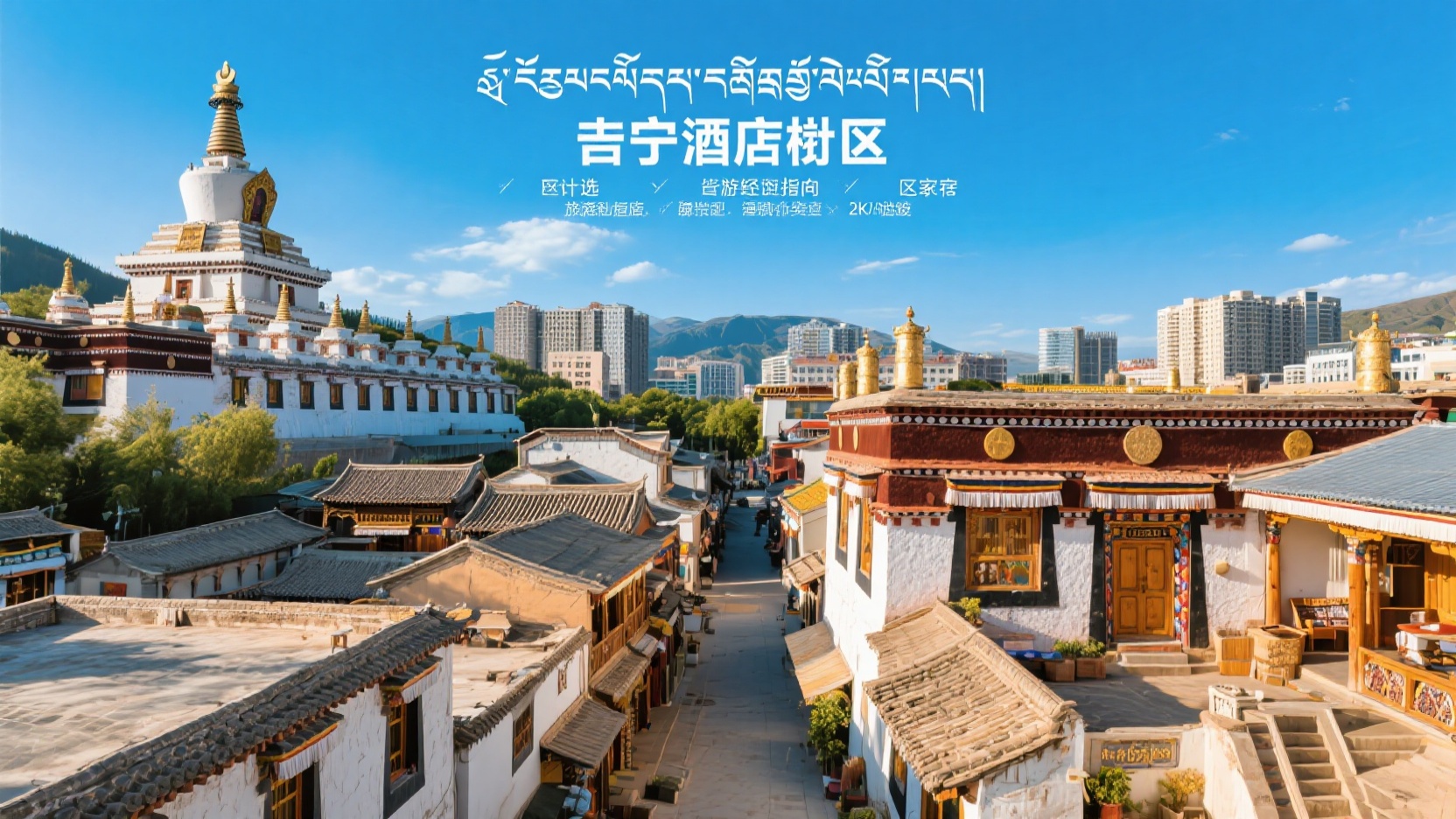
When choosing accommodation in Xining, budget should prioritize proximity to attractions over proximity to them. The main urban area is laid out in a cross shape, with distinct functional differences between the eastern, central, western, and Haihu New Area districts. Selecting areas based on budget is less likely to lead to unpleasant experiences than blindly focusing on the area around Mojia Street. Below are recommendations for areas based on four budget tiers, considering factors such as transportation, amenities, and personal experience.
Budget-friendly: Dongguan Street-Gonghe Road in the eastern part of the city and the area around Shuijing Lane in the central part of the city.
The first area worth considering is the area from Dongguan Street to Gonghe Road in the Chengdong District. It's suitable for backpackers, short layovers, or budget-conscious travelers. This area has a concentration of older residential buildings and family-run guesthouses, with plenty of hostel beds and basic single rooms available at stable prices. Transportation-wise, it's about two kilometers from Xining Railway Station, accessible by multiple bus routes, and within walking distance of Dongguan Mosque and Xia Nanguan Street. Food costs are low in the surrounding area, with numerous morning markets and noodle shops. A word of caution: guesthouses in old alleyways generally have poor soundproofing, and rooms facing the street may experience traffic noise at night; light sleepers should choose rooms behind the street or bring earplugs. Some family-run guesthouses may adjust prices during the summer; confirm before booking whether a private bathroom and hot water are included.
Another option is guesthouses in older neighborhoods between Shuijing Lane and Mojia Street in the city center. Their advantage is their proximity to the West Gate, Central Square, and Mojia Street Night Market, making major old-town attractions within walking distance. However, due to their central location, prices often rise more significantly during peak season than in the eastern part of the city. Also, some rooms are converted from old residential buildings, lacking elevators and with narrow hallways, making it inconvenient to carry large luggage. These are suitable for travelers who prioritize dining and shopping over traveling light.
Comfortable type: Limeng Commercial Alley-Shengli Road area and Ximen-Central Square area in Chengxi District
The preferred area is the section from Limeng Commercial Alley to Shengli Road in the western part of the city. This area boasts a high density of chain hotels and mid-range business hotels with standardized room types, suitable for leisure travelers in the city center who prioritize cleanliness and quiet. Located at the intersection of the western and central parts of the city, it enjoys frequent bus services and is approximately a 10-15 minute drive to Ximen and Mojia Street. It is slightly further from Xining Railway Station, about a 20-minute taxi ride. The surrounding area offers a complete range of commercial pedestrian streets, convenience stores, and pharmacies. Caution: On weekend evenings, there may be continuous commercial noise from the pedestrian street; prioritize higher floors facing away from the commercial street. Some apartment hotels converted from office buildings may have long elevator wait times; for large luggage, confirm with the front desk for luggage storage services.
If your itinerary mainly revolves around the old city, you can consider the area from the West Gate to the Central Square in the city center as an alternative. This area has both traditional hotels and mid-range chain hotels, and it's conveniently located within walking distance of Shuijing Lane, Mojia Street, and the Nanguan Mosque. It's bustling with people at night, but also has a vibrant local atmosphere. Note that some rooms in this area facing the square may experience noise from morning exercises and square dancing in the mornings and evenings; those with sleep sensitivity should avoid the lower floors facing the square.
Quality-oriented: Tangdao 637 - Wanda Plaza area, Haihu New District
Suitable for travelers who drive or prefer taxis and value hotel amenities and design. This area features a concentration of mid-to-high-end business hotels and designer hotels, with room sizes and facilities generally superior to comparable hotels in the old town. Transportation-wise, it's about 6-8 kilometers from the old town; public transportation exists but takes a long time, so ride-hailing services or driving are the primary modes of transport. For those heading to Ta'er Monastery, the highway is directly accessible from Haihu, making it a smoother route than from the old town. The surrounding area boasts numerous commercial complexes such as Tangdao 637, Wanda Plaza, and Elephant City, offering a wide range of dining and nighttime entertainment options. Caution: Traffic congestion is common in Haihu New Area during rush hour; allow extra time for travel to the airport or train station. Prices may increase on weekends and during exhibitions; it's recommended to stay for an extended period or book in advance.
High-end experience: Choose between the core area of Haihu Lake and the area surrounding Ta'er Monastery.
This is suitable for tourists who require executive lounges, swimming pools, and consistent service, or who prioritize Ta'er Monastery on their itinerary and are willing to pay for the cultural atmosphere. Two options are recommended: First, high-end brand hotels in the core area of Haihu New District, offering stable facilities and mature services, suitable for business or family travel; second, Tibetan-style resort guesthouses in the area around Ta'er Monastery, from Lotus Lake to Xiangbalinka, emphasizing local cultural experiences. In terms of transportation, the former relies on taxis or driving; the latter is about 25 kilometers from the city center, public transportation closes early, and those without cars need to charter a car or book pick-up in advance. Regarding surrounding amenities, the core area of Haihu New District has mature dining and shopping options; the area around Ta'er Monastery has relatively limited amenities, mainly guesthouse-run restaurants and a few Tibetan restaurants. A word of caution: some guesthouses around Ta'er Monastery advertise "view rooms" but don't actually offer views of the monastery. Before booking, confirm the room's orientation and heating method; Xining has a large temperature difference between day and night, and high-end guesthouses with only electric blankets and no independent heating will significantly reduce comfort.
Summary and recommendations: Plan your itinerary first, then choose your accommodation. Focus on the old city, mosques, and morning markets, prioritizing the eastern and central parts of the city. Include a route towards Ta'er Monastery or Qinghai Lake; exploring the Haihu New Area and the area around Ta'er Monastery will reduce backtracking and traffic congestion.