
Tracing the Charm of Wuxi: An In-Depth Guide to Wuxi's Culture and Art
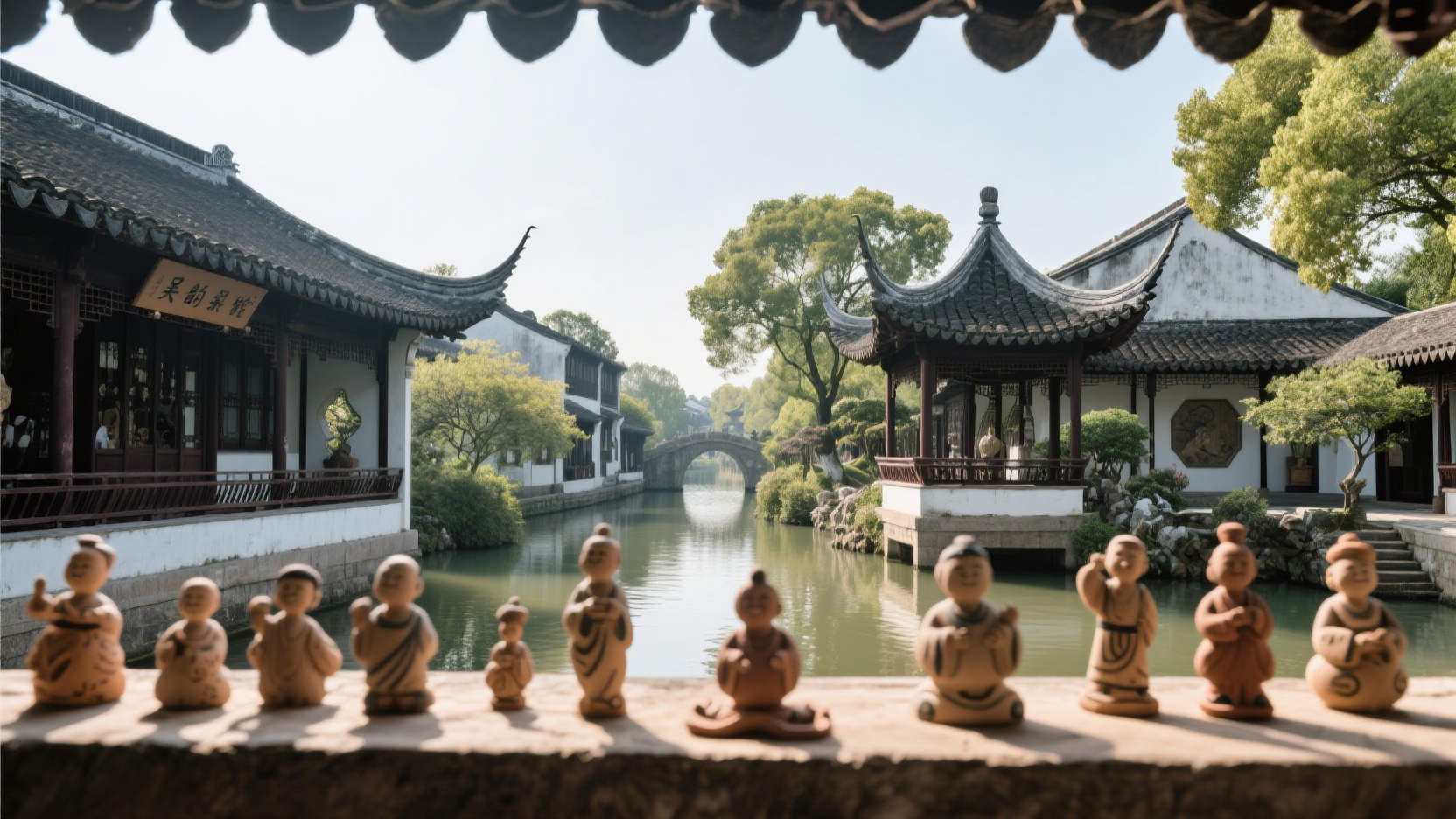
Wuxi, a water town in the Jiangnan region on the shores of Taihu Lake, is not only renowned for its beautiful natural scenery, but also for its profound Wu culture, exquisite traditional arts, and rich historical relics, making it an ideal destination for culture and art enthusiasts to explore in depth. XOOTOUR's expert destination column aims to plan a cultural and artistic journey that spans ancient and modern times, guiding you beyond superficial visits and allowing you to immerse yourself in the unique charm of Wuxi.
The Grand Canal's Cultural Heritage: A Cultural Imprint of a Thousand-Year-Old Waterway
Wuxi's urban development is inextricably linked to the Grand Canal, a waterway with a history spanning millennia that serves not only as an economic lifeline but also as a vital artery for cultural exchange. A deep understanding of canal culture is the cornerstone for embarking on a cultural and artistic journey through Wuxi.
Our first stop is recommended to be the Wuxi Grand Canal Museum . Through detailed historical materials, precious artifacts, and multimedia displays, the museum systematically traces the historical evolution of the Grand Canal, its water transport culture, the local customs and traditions along its banks, and its profound impact on Wuxi's urban landscape, economic prosperity, and even folk arts. Visitors can learn about the canal's engineering marvels, its water transport system, and the commercial culture that flourished because of the canal, laying a cultural foundation for subsequent field trips.
Afterwards, stroll through the Nanchang Street historical and cultural district . Nanchang Street is one of the best-preserved historical districts along the ancient Grand Canal in Wuxi. With its whitewashed walls and black tiles, small bridges, and flowing water, the ancient canal runs through the street. It was once an important rice and silk market in Wuxi, bustling with merchants. Today, the late Qing Dynasty and early Republican-era buildings along the street still retain the unique charm of a Jiangnan water town. Visitors can experience the lifestyle of canal dwellers, observe the architectural details of traditional residences, and explore hidden historical sites such as Qingming Bridge and Baota Bridge. Every bridge and every alleyway carries historical memories. It is recommended to slow down and appreciate the bricks, tiles, wood, and stones of the old street, rather than rushing through.
The Elegance of Wu Region: A Dialogue Between Gardens and Museums
As one of the birthplaces of Wu culture, Wuxi's cultural and artistic essence is concentrated in its museum collections and classical gardens.
The Wuxi Museum is a comprehensive platform for understanding Wuxi's history, culture, and artistic achievements. Its collection encompasses various artifacts from prehistoric times to modern times, with particular strengths in Wu-region bronzes, local celebrity calligraphy and paintings, Ming and Qing dynasty furniture, and historical materials on Wuxi's national industry and commerce. Through visits, visitors can systematically understand the evolution of Wuxi's regional culture, glimpse the glory of the ancient Wu Kingdom from unearthed artifacts, appreciate the refined taste of Jiangnan literati from Ming and Qing dynasty calligraphy and paintings, and experience Wuxi's transformation and development through modern industrial relics. The museum's exhibition design emphasizes narrative, guiding visitors to deeply reflect on the cultural stories behind the artifacts.
Jichang Garden , located next to the Wuxi Museum, is an outstanding representative of classical gardens in the Jiangnan region and one of the most culturally and artistically valuable gardens in Wuxi. It is renowned for its "borrowed scenery" technique, using the distant Huishan Mountain as a backdrop to create a natural landscape painting. The garden's pavilions, terraces, rockeries, and ponds are exquisitely arranged, embodying the traditional Chinese garden design philosophy of "though made by man, it seems as if created by nature." Visitors can stroll through the garden, appreciating the artistic conception of scenic spots such as "Hanbi" and "Zhiyu," and experiencing the aesthetic tastes and philosophy of life of literati. The design concept of Jichang Garden even influenced the Xiequ Garden in the Summer Palace in Beijing, demonstrating its significant artistic value.
Inheriting Craftsmanship: The Living Display of Clay Figurines and Intangible Cultural Heritage
A cultural and artistic journey through Wuxi is incomplete without exploring traditional handicrafts, among which the most representative is the national intangible cultural heritage – Huishan clay figurines.
From Jichang Garden, you can walk or take a shuttle bus to Huishan Ancient Town , where you'll find not only numerous historically significant ancestral halls but also the birthplace and center of Huishan clay figurines. The ancestral hall culture of Huishan Ancient Town embodies the fusion of Wu-style clan concepts and architectural art; each hall carries the story of a family's rise and fall and the local cultural heritage. Visitors can experience the tranquility and profound history of the ancient town.
In Huishan Ancient Town, a visit to the Huishan Clay Figurine Museum or the Huishan Clay Figurine Factory (studio) is a must. Huishan clay figurines have a history of over 400 years and are renowned for their vivid shapes, vibrant colors, and lifelike expressions. The craftsmanship is divided into two main categories: "hand-sculpted opera figures" and "plaster molding." "Hand-sculpted opera figures" use traditional opera characters as their subject matter, and through the skillful hands of the artisans, the characters' personalities and emotions are vividly expressed, representing the essence of clay figurine art. Visitors can not only observe the artisans' exquisite skills in making clay figurines on-site and learn about the complex processes of selecting clay, shaping, and painting, but also try their hand at making clay figurines, integrating this unique Wu-style intangible cultural heritage into their travel memories. This is not just a viewing experience, but a deep dialogue and interaction with traditional art.
Through this in-depth cultural and artistic route, XOOTOUR hopes that you can not only see historical relics along the ancient canal, in classical gardens and intangible cultural heritage workshops in Wuxi, but also touch the pulse of Wu culture, feel the warmth of artisans, and experience a cultural and artistic journey that transcends the visual.