
These 7 little-known restaurants in Taizhou | My local secret list that I only dared to write after eating there three times (not the popular ones, plus tips to avoid rip-offs)
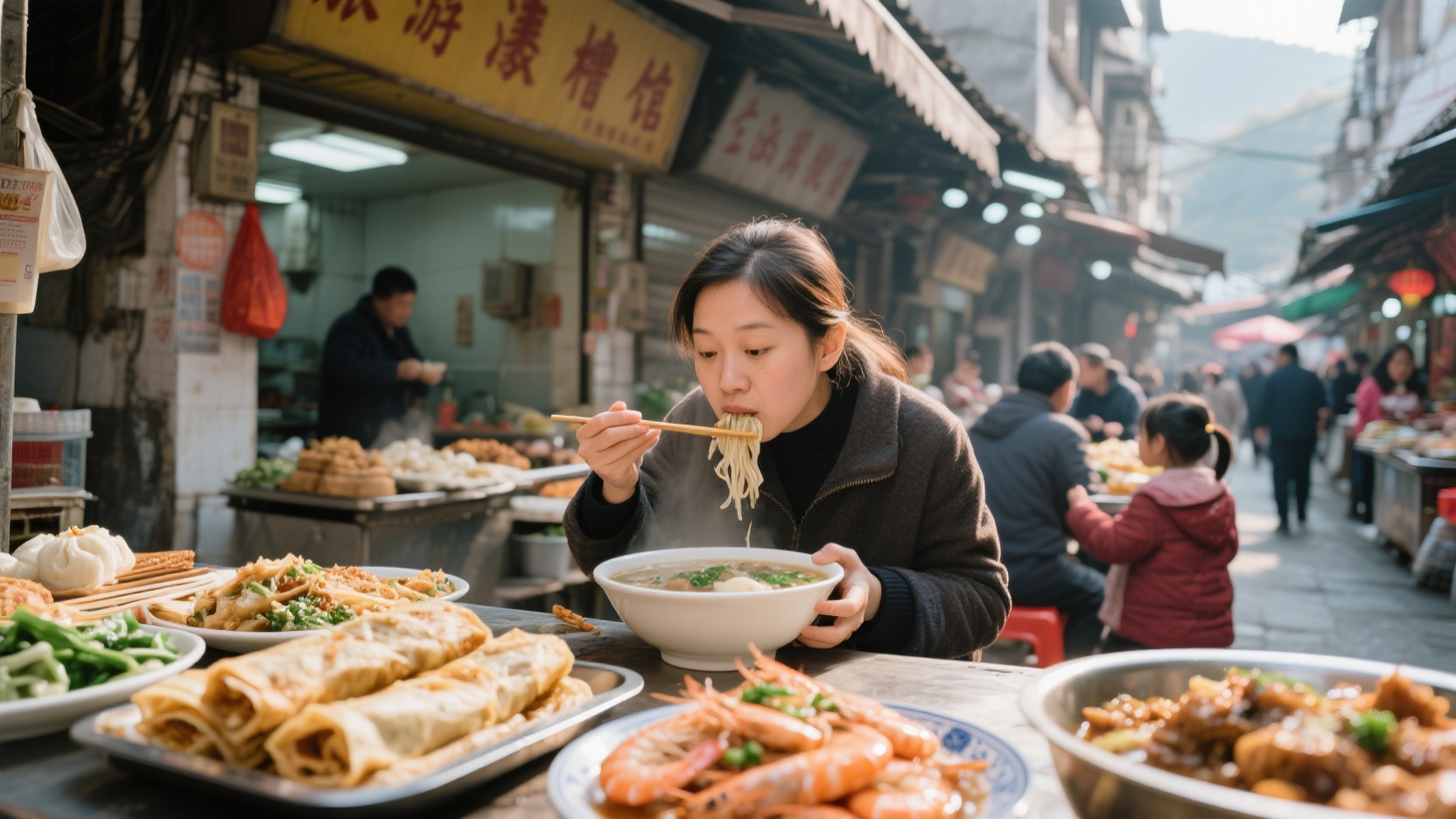
I made three trips to Taizhou, crossing off all the restaurants in my favorites list that had become popular through short videos, and instead focusing on the back gates of wet markets, the alleyways of old neighborhoods, and the night market stalls. These restaurants didn't have illuminated signs, and some even relied on verbal explanations of their menus, but each one made me willing to make a special trip back just for that sizzling wok hei (wok aroma). The following seven restaurants are all off the "must-eat list," relying entirely on recommendations from local foodies and my own personal experiences.
The three trips took place in late winter, early summer, and late autumn, respectively, coinciding with the seasons for traditional dishes like zaogeng (a type of rice porridge), bayberry, and shanfenhu (a type of glutinous rice flour paste). Below is a list of non-popular dishes organized by region.
Back gate of Jiaojiang Garden Market: Grandma's shrimp stall and Lao Yang's braised pork porridge
At the back gate on the east side of the garden market, you can see an old lady pushing a coal stove out as early as 6:30 in the morning. She only sells shrimp and a few kinds of braised dishes. There is no fixed name for the shop; locals just call it "Grandma's Shrimp at the Back Gate." The soup base is made by simmering crucian carp and pork bones until it turns white. The dough dumplings are freshly shaved and added to the pot, making them softer and more tender than those from many chain stores.
The signature dish is beef and shrimp with a spoonful of pork lard, topped with a poached egg. Don't order too many toppings, as they will overpower the broth's flavor. After finishing your meal, walk a few steps north through the back door. At the alley entrance, there's a stall selling fried glutinous rice cakes. Buy a freshly fried glutinous rice stick—crispy on the outside and chewy on the inside—perfect with the remaining broth.
Old Yang's Braised Pork Congee, located along the same shopping route, has been open for over twenty years, serving only breakfast and lunch. The congee is simmered in an earthenware pot beforehand, with a layer of rice oil forming on the surface. The signature order is: braised pork congee served with a small dish of stir-fried bamboo shoots with pickled mustard greens; the pork should be half lean and half fat, drizzled with half a spoonful of braising sauce. Next door, a fruit stall sells local water chestnuts and bayberries in the summer; buying a small basket to take away is perfect for cutting through the richness.
Back alley of Ximen Street, Linhai: Zhou's Wheat Oil and Chen's Rice Soup
The Mai Youzhi shop on the main street of Linhai is often crowded with tourists, so my local friend took me directly to Zhou Ji in the back alley of Ximen Street. This place only has three benches for dining in. The Mai Youzhi skin is made fresh by the owner in the early morning, so thin that it is translucent but not torn.
Signature dish: Wheat oil rolls with pork liver, bean noodles, and shredded radish. Be sure to ask for "less bean sprouts and more bean noodles," and then drizzle with a small spoonful of braised pork jelly. When you bite into it, the broth will burst out. There's an old lady selling gray-green cakes at the alleyway next door, made with rice straw ash water, with a slightly alkaline aroma. Buying a couple as an after-meal snack is wonderful.
Chen's Rice Cake stall is located in front of an old house not far from Zhou's, and it's only served in autumn and winter. The sweet sesame sugar rice cake is the most popular, and locals also want the "half-sweet, half-salty" hidden version. Order a bowl and eat it by the roadside; the thick paste has osmanthus petals in your mouth. You're most likely to find a freshly cooked pot if you go in the evening.
Wenling Shitang and Yuhuan Kanmen: Non-seafood ways to eat yam starch paste and sweet potato starch balls
Many people who come to Shitang in Wenling only focus on the seafood stalls, but miss out on the old lady's mountain rice noodle soup that opens in the afternoon. Her stall is under a big banyan tree behind the market. She slowly stirs the rice noodles in a copper pot. The savory mountain rice noodle soup contains dried eel, peanuts, water chestnuts and local ginger juice. It is fresh and spicy, and it is especially warming to the stomach when the sea breeze blows.
Signature order: Order the savory mountain rice noodle soup, add a spoonful of freshly ground ginger juice, and omit the scallions. The dried goods shop next door sells freshly roasted dried shrimp; buy a small bag, it'll enhance the flavor of stir-fried vegetables or noodles at home.
The sweet potato starch balls in Kanmen Old Street, Yuhuan, are made with sweet potato starch dough, filled with dried eel, pork belly, shiitake mushrooms, and celery. After steaming, the dough is translucent and chewy. When eating, be sure to dip it in a little local fish sauce and rice vinegar to bring out the seafood flavor of the filling. There are dried fish drying nearby; you can ask the vendor to slice them thinly for a delicious snack.
Late-night snacks on Chicheng Road in Tiantai: Hulatai (a type of steamed bun) and salty soy milk with wok hei (the smoky aroma from a hot wok).
The "Hulatai" stall on the rooftop is hard to spot during the day; it only sets up its stall after 9 PM, diagonally opposite the old post office on Chicheng Road. The thin pancake is stretched into a circle on a griddle, topped with an egg, shredded pumpkin or dried tofu, and sprinkled with chopped green onions. The edges are baked until crispy, while the vegetable shreds in the center are still juicy.
Signature order: Pumpkin shreds paste with an egg, don't cut it, just roll it up and eat it. The auntie selling it will also serve a small bowl of savory soy milk with dried shrimp, fried dough stick crumbs, and chili oil. There's a tea shop in the alley next door selling rooftop yellow tea; buy a bag of fresh tea to take home and enjoy with a late-night snack to cut through the richness.
Summary of Avoiding Pitfalls After Three Site Visits
These seven shops don't have a unified opening hour; many only operate in the morning or late at night, so going home empty-handed is common. It's recommended to separate the morning market and late-night stalls when planning your trip. Three things to avoid: First, don't go during peak meal times, especially for braised pork congee and shrimp dumplings. Around 10 AM is peak shopping time for locals, so not only will there be queues, but many ingredients will sell out early. Second, don't just order the signature dishes; the hidden accompaniments are the soul of these small eateries, such as pork cracklings with shrimp dumplings, ginger juice with sweet potato starch paste, and fish sauce and rice vinegar with tapioca pearls. Third, remember to bring cash; some older stalls only accept cash, and mobile payments don't work here. By avoiding the trendy shops, the true flavor of Taizhou becomes clearer—these small stalls hidden in the markets and alleyways represent the daily life of the locals.