
How many days are enough for a trip to Shanghai? Choose the right time based on your needs and budget.
The most common question from first-time visitors to Shanghai isn't "Where are the fun places to go?", but rather "How many days should I stay, what's the best order to visit, and how much should I spend?" This question deserves a serious answer because Shanghai isn't a city that relies on piling up tourist attractions; its experience is highly dependent on pace—walking too fast only lets you see the buildings, while walking slowly allows you to truly appreciate the texture of the streets and alleys. Below, I'll break it down into four categories: number of days, travel companions, budget, and transportation, so you can easily find the one that suits you best.
Branch 1: First determine the number of days – how many days do you have?
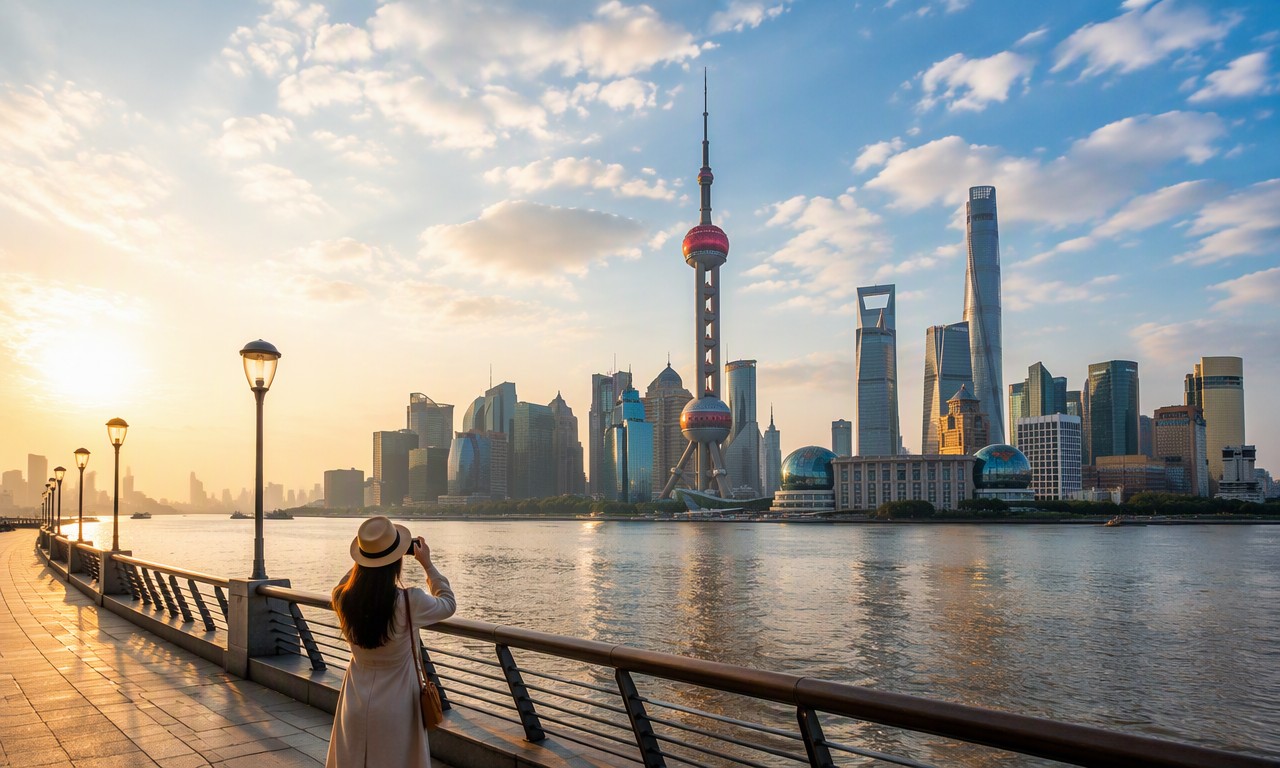
If you only have one day, there's only one option: focus on the "Bund—Nanjing East Road—People's Square" axis. Spend the morning exploring the Bund's architecture, have lunch at an affordable local noodle shop near Nanjing East Road, and in the afternoon, choose between the Shanghai Museum and the Shanghai Urban Planning Exhibition Center. Return to the Bund in the evening to wait for the lights to come on. Don't try to do too much; a well-integrated day along this route is more worthwhile than visiting five different locations.
If you have two days, follow the above itinerary on the first day. On the second day, I suggest heading west into the "Hengfu Historical and Cultural Area." Exit from Changshu Road or Shaanxi South Road subway station, and stroll slowly along Anfu Road, Wuyuan Road, and Wukang Road. For lunch, find a small restaurant along the street and have a bowl of Shanghai-style noodles with toppings. In the afternoon, choose a café in an old-style house to relax in, and then take a photo in front of the Wukang Building. After dark, you can finish with a mid-range local Shanghai cuisine meal nearby. The key to a two-day trip is that the second day must be leisurely and not overly packed.
If you have three days, you can dedicate the third day to an "atypical Shanghai." Two directions are available: head towards Pudong to see the Urban Planning Exhibition Center and cycle along the riverside promenade, or walk along the Suzhou Creek towards Putuo and Hongkou to see converted warehouse spaces and the communities where locals actually live. More than three days isn't necessary unless you have a specific niche interest; otherwise, three days is enough to experience the essence of Shanghai.
Branch Two: Decide on Travel Companions – Who you and you choose determines the route.
When traveling alone, I highly recommend spending your time in "spaces where you can linger": independent bookstores, small art galleries, and old alleyways where people still live. These places share the common characteristic of allowing you to explore at your own pace, without being rushed or feeling out of place. Avoid joining long queues with tour groups; that will only diminish the greatest freedom of solo travel.
For couples traveling together, it's recommended to set aside a mid-range dinner as the anchor point for each day's itinerary. Shanghai has plenty of restaurants suitable for two people to enjoy a leisurely meal, where you can have a decent meal for around 100 RMB per person. You can go separately or together during the day, but you should allocate at least an hour and a half for dinner. Choose a specific area, eat, and then walk back to your accommodation. This pace is more comfortable for two people than rushing around.
When traveling with elderly people or children, eliminate all sections requiring long walks or crowded subway rides during peak hours. It's recommended to aim for a walk from the subway station to your destination that takes no more than ten minutes. In older, more historic areas, choose flat sections and walk only halfway. Spend more time in places where you can sit down – teahouses, museum rest areas, or riverside benches. Children need an outlet to burn off energy; Century Park or the riverside green spaces in Qiantan are better than shopping malls.
Branch 3: Choose your spending method based on your budget level.
With a limited budget (around 200-300 RMB per person per day), this is entirely feasible. The key is to spend money on transportation and food, rather than entrance fees and souvenirs. Many core experiences in Shanghai don't require tickets: the Bund, Wukang Road, the riverside promenade, and permanent museum exhibitions. For food, choose neighborhood noodle shops, pan-fried dumpling shops, or alleyway snacks near your residence. You can eat very comfortably for just a few dozen RMB per person, and these dishes are closer to the daily lives of locals than the mass-produced flavors found in tourist areas.
With a mid-range budget (around 500 RMB per person per day), you can afford more comfortable accommodations. Choose mid-range chain hotels or boutique guesthouses converted from old villas along subway lines; location is more important than brand. If you have the budget, you can arrange one or two formal meals of local Shanghai or Jiangzhe cuisine, costing around 100 RMB per person. The rest of the time, stick to budget-friendly options. This budget range offers the most complete experience in Shanghai—not cramped, but not wasteful.
Those on a high-end budget don't need to consult guides here. One word of advice: in Shanghai, high-end isn't about price, but about timing and location. For the same good hotel night, choosing a location within walking distance of the city center is more worthwhile than taking a car to and from there. The same applies to dining; expensive doesn't necessarily mean good. Choosing established brands with a solid reputation is more reliable than chasing the latest trends.
Branch Four: The mode of transportation determines how far you can go.
The subway is the primary mode of transportation, suitable for a one-day trip or a tight schedule. Shanghai's subway coverage is sufficient, but transfers involve long walking distances and are extremely crowded during peak hours. Allow at least 20 minutes for commuting between each point, as underground travel and waiting times often exceed what the map shows. It's not recommended to rely solely on the subway for three consecutive destinations; include at least one walking segment within the same area in between.
Primarily for taxis, suitable for groups of two or more or short trips with multiple stops. Taxi fares within Shanghai are acceptable, but slower than the subway during peak hours. The most efficient use is to take the subway to your area and then take a taxi within that area, avoiding cross-district congestion and saving the physical effort of walking from one point to another.
Walking is the primary mode of transportation, and it's only recommended within the historical and cultural districts. The Hengfu area has a high density of side streets, continuous shops, and ample shade, so walking for two hours straight won't tire you out. In fact, you'll discover many details that aren't mentioned in any travel guides. However, don't rely on walking as your main mode of transportation between administrative districts. Shanghai is too vast; two seemingly close points can be separated by elevated highways and rivers.