
Qingdao: A Deep Artistic Journey Through a Century of Splendor and Blue Culture
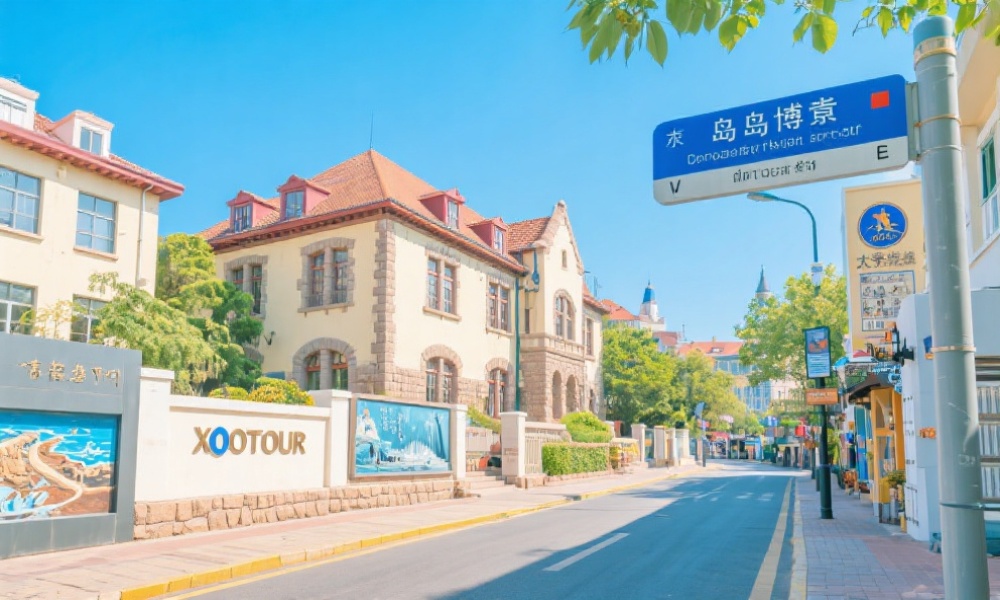
Qingdao, a city that combines stunning mountain and sea views with exotic charm, boasts a rich cultural and artistic heritage that transcends its status as a simple seaside resort. XOOTOUR's experienced destination column will plan an in-depth travel route themed around "culture and art," aiming to guide visitors beyond the surface and explore the architectural narratives, maritime spirit, and humanistic context behind Qingdao's century-long history of splendor.
Architectural Narrative and Colonial Imprint: An Artistic Vehicle for a Century of Splendor
Qingdao's unique urban fabric originated from the planning and construction during the German colonial period at the end of the 19th century. The buildings left from that time are not only witnesses to history, but also artistic treasures that blend European classicism and Art Nouveau styles.
Badaguan Scenic Area : This is not merely a villa district, but a living museum hailed as an "International Architectural Exposition." Its planning concept originates from the German "Garden City" idea, harmoniously integrating natural landscapes with the living environment. Strolling through it, one can admire over twenty different architectural styles, including Russian, British, French, German, American, Danish, and Greek. These buildings are not simple replicas, but rather adapted to Qingdao's local characteristics, with localized modifications in materials, colors, and details. Each villa carries a piece of history, whether it be the former residence of a famous person or a diplomatic residence; their exquisite structure and meticulous decorative details reflect the superb architectural art and the fusion of diverse cultures of that era. A close examination of the facade decorations, window designs, and roof shapes reveals the original urban aesthetics and historical context of Qingdao.
The Former German Governor's Residence Museum in Qingdao (Yingbinguan) : As the official residence of the German Governor of Jiaozhou, this building is a typical example of German architecture from the Wilhelmine era. Its red-tiled roofs, yellow walls, granite base, towers, and Gothic spires showcase the grandeur and rigor of the German Empire. The museum recreates the original reception room, dining room, and bedrooms. Through artifacts and photographs, visitors can not only understand the Governor's daily life and work, but also gain a deeper understanding of the political, economic, and social landscape of Qingdao during the colonial period. It is a frozen architectural epic and an opportunity to experience the art and lifestyle of European aristocracy up close.
Qingdao Art Museum : Located at No. 25 University Road, its main building was originally the site of the "Wanzihui" (a secret society), and is a historic German-style building. As a temple of art, the museum hosts various art exhibitions throughout the year, covering traditional Chinese painting and calligraphy, contemporary art, and photography. The integration of its architecture and exhibition content allows visitors to appreciate the artworks while also experiencing the unique charm of the historical building, achieving a dialogue between ancient and modern art.
Blue Ocean and Humanistic Pulse: The Interweaving of Modern Art and Traditional Memory
Qingdao's cultural and artistic heritage is also deeply rooted in its unique maritime characteristics and the humanistic context formed after its opening to foreign trade in modern times.
Zhanqiao Pier : As a landmark of Qingdao, Zhanqiao Pier is not only a tourist attraction but also a witness to Qingdao's century-long history. It has witnessed Qingdao's opening to foreign trade, colonization, resistance, and development, carrying the collective memories of countless Qingdao residents. Looking back at the old city from Zhanqiao Pier, the classic scene of red tiles, green trees, and blue sea and sky is itself a flowing work of art. A deeper understanding of Zhanqiao Pier's historical evolution and its place in the hearts of Qingdao people reveals the city's maritime spirit and resilience.
University Road and the Art District : This is one of Qingdao's most culturally rich areas. Centered around University Road, it's dotted with Ocean University of China, the Qingdao Art Museum, and numerous independent bookstores, cafes, creative shops, and art studios. This area was once home to cultural figures like Kang Youwei and Lao She, fostering a profound academic and artistic atmosphere. Strolling here, you can feel the fusion of sea breeze and the aroma of books, explore the independent galleries hidden in old buildings, interact with local artists, and experience Qingdao's unique "slow-paced" artistic style. It's a vivid microcosm of Qingdao's blend of modern art and everyday life.
Tsingtao Beer Museum : Tsingtao Beer is not only a world-renowned brand, but also an important part of Qingdao's urban culture. Located on the site of the former Tsingtao Brewery, the museum systematically showcases Tsingtao Beer's century-long development, brewing process, and its cultural significance in the hearts of Qingdao residents through artifacts, models, historical materials, and multimedia interactive displays. It is not just an industrial heritage museum, but also a profound experience of the fusion of German industrial civilization and local Chinese culture. Savoring a glass of unpasteurized beer allows you to experience not only the rich aroma of malt, but also the unique cultural flavor of Qingdao.
Echoes of Tradition and New Chapters in Art: The Inheritance and Innovation of Local Culture
Qingdao's culture and art are not limited to imported goods and modern trends; its local traditional culture and intangible cultural heritage are equally worthy of in-depth exploration.
Qingdao Municipal Museum : As a comprehensive local history museum, the Qingdao Municipal Museum houses a large collection of precious cultural relics reflecting the historical evolution, folk customs, and archaeological discoveries of Qingdao. Through visits to its "Qingdao History and Culture Exhibition" and "Qingdao Folk Customs Exhibition," visitors can systematically understand the evolution of Qingdao from ancient civilization to modern times, as well as the unique charm of local culture and art such as fishing and salt culture and Jiaodong folk customs. Among the exhibits are many works showcasing traditional arts and crafts, such as Jiaodong paper-cutting, clay sculptures, and shell carvings—all microcosms of Qingdao's local culture and art.
Local Cultural Experiences and Intangible Cultural Heritage Exploration : Qingdao boasts a rich and diverse intangible cultural heritage, including local operas such as Lüju and Maoqiang, as well as traditional handicrafts like dough figurines, shell carving, and paper cutting. While there aren't centralized "intangible cultural heritage experience centers," visitors can seek opportunities to engage closely with these traditional art forms by exploring the old town (such as the area around Pichaiyuan), visiting local cultural and art shops, or following the intangible cultural heritage activity information released by the Qingdao Municipal Bureau of Culture and Tourism. For example, in some creative shops, you can find artworks that integrate traditional shell carving and paper cutting elements into modern designs; deep in the old streets and alleys, you might even encounter artisans passing on their traditional crafts. These small discoveries will constitute an indispensable slow-paced experience in your Qingdao cultural and artistic journey, allowing you to feel the vitality and innovation of traditional art in contemporary Qingdao.
By following the above route, you will no longer be a fleeting visitor to Qingdao, but an explorer delving into its cultural fabric, truly appreciating the city's artistic style and humanistic spirit that blends Chinese and Western elements and combines the ancient and the modern.