
These 8 restaurants in Kunming | A list of neighborhood foodies I had to visit three times to be sure of (not internet celebrity favorites)
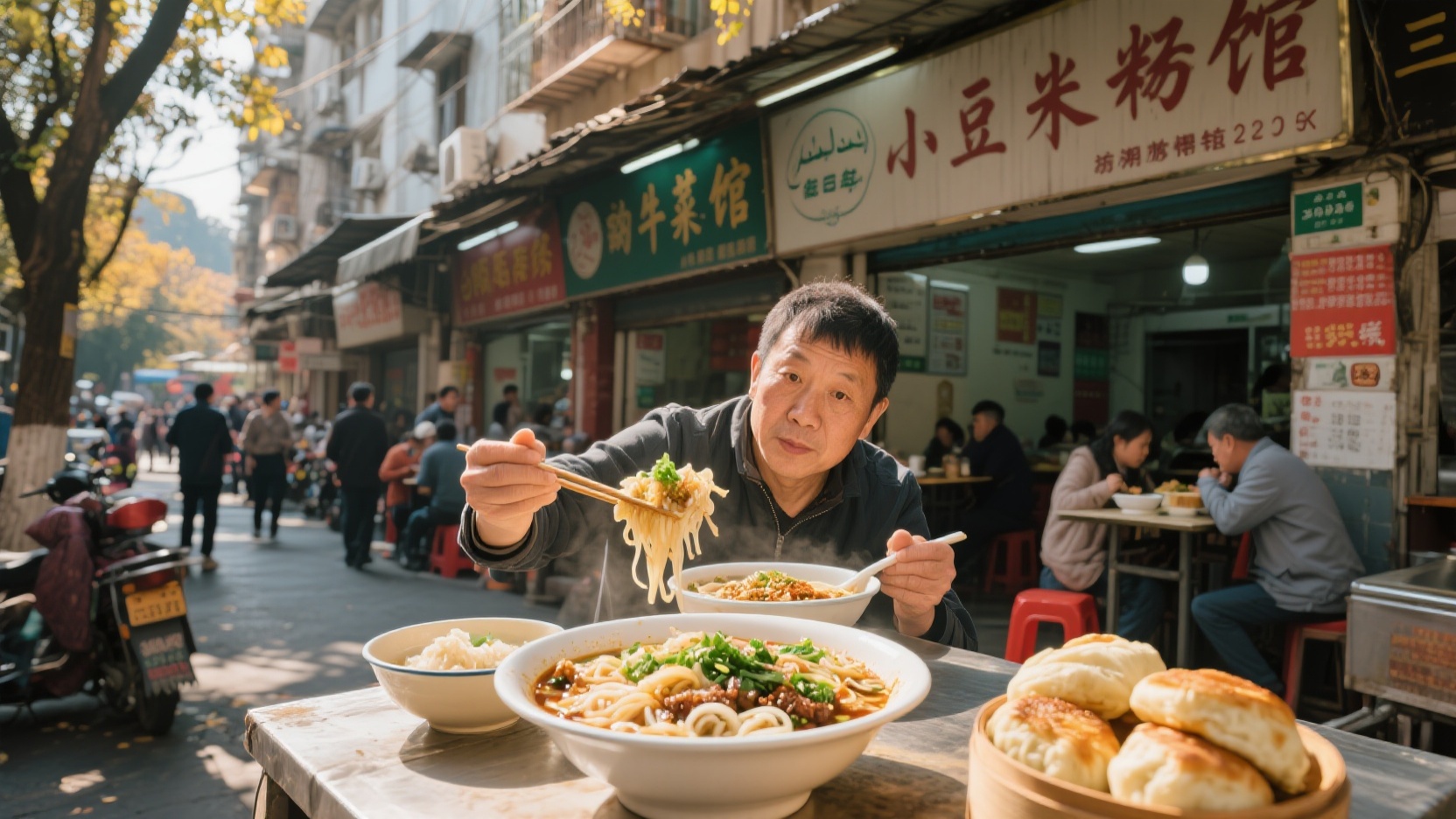
After my third trip to Kunming, I deleted the entire "must-eat list for tourists" from my phone. The biggest lesson from the first two trips wasn't that the food was bad, but that the food I got after queuing for an hour was basically not the kind of food locals would normally eat. For my third trip, I specifically explored the old communities in Wuhua District, behind the Guandu market, and the shops at the bottom of old residential areas in Xishan District, selecting eight small restaurants and street stalls that didn't do marketing, didn't display "must-eat" lists, and only served the locals. Each of these places was one I ate at while squatting outside before writing this down; there were no staged photos, and I don't accept any advertising.
First stop: An old community in Wuhua District, two rice noodle shops with faded signs.
The first shop is tucked away at the entrance of a small alley, with several copper pots always set up at the door. Kunming locals are particular about cooking rice noodles in small pots – "only one bowl cooked in one pot," with fermented rice noodles, minced meat, chives, and pickled vegetables all simmered together. What I remember most about this shop wasn't their regular version, but their "stinky tofu small pot rice noodles": the stinky tofu melts in the broth, making it richer and more flavorful. Add extra minced meat, and only a touch of spice; don't add chili oil at the beginning, as it will overpower the fermented aroma of the pickled vegetables. The owner only prepares fresh meat that day, and it's often sold out by noon. You can also buy "roasted rice cakes" nearby – brushed with a sweet and savory sauce and fried dough sticks – for just a few yuan, you can grab one and eat it on the go, the perfect start to a neighborhood breakfast.
The second shop is located on the ground floor of an older residential complex, specializing only in tofu rice noodles and sweet rice wine. The soul of the tofu rice noodles lies in the tender tofu, the rich sauce, and the aroma of crushed peanuts. When ordering, say "less sauce," and the owner will add an extra spoonful of crushed peanuts; those in the know understand that this brings out the natural sweetness of the tofu. The tofu is made to order, and if you go late, they often only have rice noodles left. After eating, walk towards the side entrance of the market and grab a cup of "papaya juice" on the way. The icy texture paired with brown sugar rose jam is perfect for cooling down and relieving the spiciness and greasiness.
Second trip: Behind the Guandu market, three must-have items that locals eat with gusto.
Behind the market, there's a small steamed rice noodle stall; you have to sit on a low stool to eat. The rice noodles are steamed until soft and chewy, not sticky at all. The topping is a sweet and savory mixed sauce, sprinkled with chive blossoms and pickled vegetables. The proper way to eat it is to mix it up, take a couple of bites of the original flavor, then add a couple of drops of vinegar—the layers of flavor instantly change. The owner will serve a bowl of bone broth; don't drink it first, save it for last after you finish the rice noodles so it doesn't fill you up. Next door, you can buy "grilled tofu," specifically choosing the ones that are puffed up and cracked. Dip them in fermented bean curd sauce and eat them piping hot—the outer skin is chewy, the inside tender.
Not far from the steamed rice noodles, there's a small restaurant specializing in mushroom fried rice, its sign simply reading "Fried Rice." September and October are peak season for locals bringing friends there, especially for the dried mushroom fried rice, which is particularly fragrant, though it's not available every day. To order, simply ask, "What mushrooms are available today?" The owner will answer, and you'll order whatever they say; the aroma of the mushrooms is even more overpowering than the meat. There's no menu; everything is ordered verbally. More locals than tourists come in slippers to get takeout. Nearby, outside the market, there are stalls selling "chicken mushroom oil"—buying a small bottle to mix with noodles is a common practice in Kunming households.
There's also an old braised noodle shop that only serves breakfast and lunch, and usually closes down before 1 PM. The sauce for the braised noodles is on the sweet and spicy side, and you need to choose thick noodles so they stick to the sauce. Add a spoonful of chili oil and a spoonful of braised pork, and mix until you can find crushed peanuts at the bottom to complete the dish. What impressed me most about this place is its perfect balance of sweet and spicy; it doesn't get too cloying as you eat. I also bought some "iced rice porridge" next door—glutinous rice soaked in brown sugar water, served with a few pieces of candied winter melon—a perfect way to finish off a market-style breakfast.
Third trip: Shops at the bottom of an old residential area in Xishan District, including a crispy bun shop, a beef restaurant, and a late-night grilled eggplant place.
The flaky pastry shop next to the old neighborhood's bike shed only operates in the morning. The baker gets up before dawn to make the pastries, and if you go late, only red bean paste buns are left. Their signature dish is the sugar and ham flaky pastry bun, which you have to peel off layer by layer to eat. The ratio of ham bits to sugar is just right, so it's not too sweet. If it's your first time, I recommend also getting a "mushroom and pork" bun; the filling is freshly stir-fried, and the juices seep into the pastry. You can also buy a bag of soy milk nearby. Kunming locals are used to taking a bite of a flaky pastry bun and then sipping a mouthful of thick soy milk for a complete breakfast.
The beef restaurant is located in the middle of the alley. There's no formal menu; just look for the freezer to order. The basic skills of a Kunming halal beef restaurant are tested by its cold sliced beef and crispy beef noodles. This restaurant's cold sliced beef is thinly sliced, and the dipping sauce is made with chili paste and Sichuan peppercorn powder, giving it a very direct beef flavor. The crispy beef noodles come with thin noodles, and the broth is rich but not oily. After eating, you can stop by the halal pastry shop next door to buy "dried beef mooncakes" or "small Hui cakes," which are especially popular around the Mid-Autumn Festival. Their sweet and savory flavors are perfect for a leisurely stroll.
The last stall is a late-night grilled eggplant stand, tucked away on a street corner, with only locals queuing up. The eggplant is grilled until soft, then split open and topped with minced garlic, houttuynia cordata, chili paste, and mint. Locals often order extra houttuynia cordata, while tourists from other provinces can ask for half the amount first, otherwise it might be too spicy. You can also buy grilled pig's trotters nearby; they're first-time braised and then grilled, resulting in crispy skin and tender meat, which is a perfect way to cool down the spiciness of the eggplant.
The blogger summarizes: how to order the eight restaurants to eat at, and three ways to avoid pitfalls.
These eight restaurants are best ordered from breakfast to late at night: start with tofu rice noodles or crispy buns, have steamed rice noodles with mushroom fried rice for lunch, braised noodles for afternoon, beef dishes for dinner, and grilled eggplant for late-night snack. Don't try to eat them all in one day; your stomach won't be able to handle it, and the flavors might mix.
"Avoid going during peak hours": These restaurants are most convenient after 8 pm or before 1 pm. Going during peak hours will likely result in you standing next to someone else's table and waiting. Locals eat at off-peak times. Especially for steamed rice noodles and braised noodles, you won't be able to get them if you miss the designated time.
"Don't just order the signature dishes": the hidden gems are often found in the side dishes and desserts. The papaya juice, chilled rice porridge, and grilled tofu around the market are often more delightful surprises than the main course. For example, the papaya juice next to the tofu rice noodles is a favorite dessert for many older Kunming residents who have enjoyed it since childhood.
"Remember to bring cash": Some older stalls only accept cash or are slow to give change, so having small change on hand will save you a lot of trouble. Finally, a word of caution: these places are generally not up to par, so don't expect them to be like mall restaurants. The appeal is the undisturbed neighborhood atmosphere.