
Jiaxing Art City | In-depth Cultural and Leisurely Tour of Jiaxing: Exploring the Cultural Fabric of the Jiangnan Water Towns
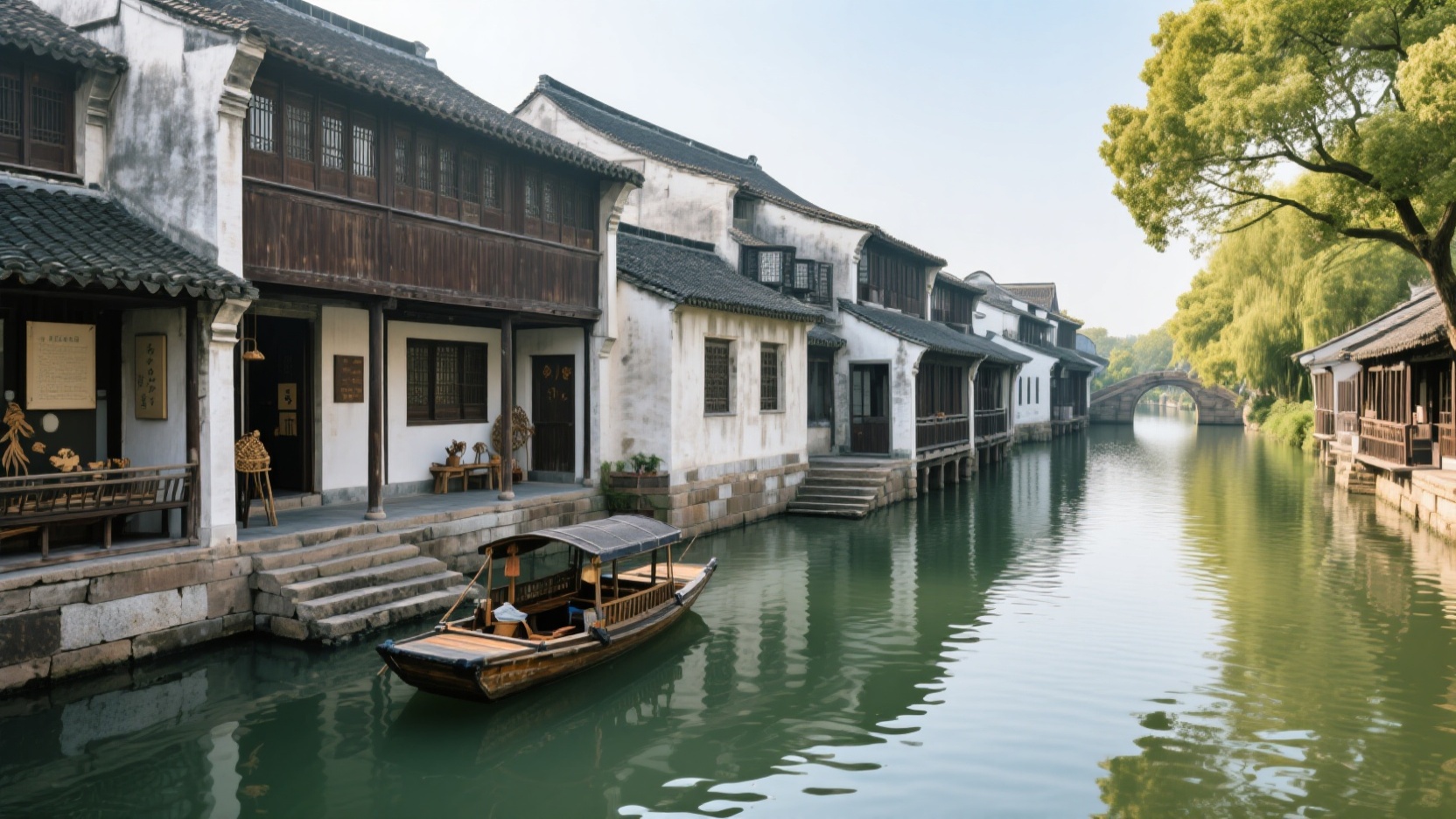
Jiaxing, located between Shanghai and Hangzhou, is renowned as a "land of fish and rice" and a "silk capital." It is not only a typical representative of the Jiangnan water towns but also a city with a profound historical heritage and unique cultural and artistic charm. On this trip, XOOTOUR will take you beyond a superficial sightseeing tour, delving into the cultural fabric of Jiaxing. We've planned a humanistic and artistic journey centered on museums, historical sites, and intangible cultural heritage experiences, allowing you to feel the refined elegance accumulated over a thousand years in this city.
Urban Heritage: Tracing the Thousand-Year History of Hecheng
Jiaxing's history dates back to the Neolithic Majiabang Culture, bearing witness to the rivalry between Wu and Yue, the prosperity of the Grand Canal, and the turbulent modern era. To understand the city's core spirit, one might begin with its central area.
Upon arriving in downtown Jiaxing, it is recommended to make the Jiaxing Museum the first stop on your cultural journey. The museum boasts a rich collection, ranging from prehistoric artifacts to modern and contemporary art, systematically tracing the regional development history of Jiaxing. Through thematic exhibitions on Majiabang culture, Wu-Yue culture, and Grand Canal culture, visitors can gain a direct understanding of Jiaxing's important position in the development of Chinese civilization and its unique cultural genes. This is not only a temple of knowledge but also a window into experiencing Jiaxing's artistic aesthetics and historical evolution.
Adjacent to the museum is the Jiaxing Zicheng Ruins. Zicheng was Jiaxing's earliest urban core, witnessing the rise and fall of Jiaxing as the prefectural capital over a thousand years. Strolling through the ruins park and touching the remaining foundation stones of the city walls, one can almost hear the echoes of history. Zicheng carries the memories of Jiaxing's administrative, military, and cultural center, and is a key node for understanding the evolution of the city's layout. The surrounding Yuehe Historical District, though increasingly commercialized, still retains some traditional residences and waterside charm, offering a supplementary experience of old Jiaxing life.
Afterwards, we will move to Nanhu Lake, a landmark of Jiaxing. Nanhu Lake is not only famous for its "Red Boat," but also a cultural haven integrating natural scenery, historical sites, and classical gardens. Besides commemorating revolutionary history, visitors should also appreciate the profound literary and artistic sentiments associated with Nanhu Lake. The Yanyu Tower on the island in the lake, originally built during the Five Dynasties period and rebuilt several times, is a masterpiece of classical Jiangnan gardens, where countless poems have been written by scholars and poets throughout history. Climbing the tower offers panoramic views of the lake and mountains, allowing one to experience the ancient poetic imagery of "light smoke brushing the shore, a gentle breeze about to arrive." Surrounding Nanhu Lake are other historical sites such as the Haogu Pagoda and Lanxiu Garden, which together form Jiaxing's unique and elegant cultural landscape.
Jiaxing has an inseparable relationship with the Grand Canal. As an important node city on the Beijing-Hangzhou Grand Canal, the canal has nurtured Jiaxing's economy and culture. Along the canal section in the city, visitors can choose to take a cruise or stroll along the banks, personally experiencing the historical pulse brought by this "flowing cultural heritage." The ancient bridges, embankments, and wharves on both sides of the canal silently tell the stories of the flow of goods and cultural exchange over thousands of years. The canal culture has not only shaped Jiaxing's geographical landscape but has also permeated the local people's customs, architectural styles, and even culinary culture, providing an important clue to understanding Jiaxing's cultural essence.
Water Town Charm: Artistic Charm Flows Through Wuzhen
Starting from Jiaxing city center, a trip to Wuzhen, known as "China's last water town," will be the culmination of this cultural and artistic journey. Wuzhen is famous for its well-preserved Ming and Qing dynasty architecture, unique water town layout, and rich intangible cultural heritage.
Upon entering the West or East Scenic Area of Wuzhen, the first things that catch the eye are the rustic stone-paved roads, flowing streams, and traditional houses with black tiles and white walls. Every brick, tile, blade of grass, and tree here is full of stories. Visitors are encouraged to slow down, wander through the deep alleys, and experience the tranquility and charm of this water town.
In Wuzhen, literature enthusiasts should not miss the former residence of Mao Dun. As the birthplace and place of growth of Mao Dun, a giant of modern Chinese literature, the former residence has completely preserved the architectural style of Jiangnan folk houses and the scenes of Mao Dun's life. By visiting his study, bedroom, and viewing the exhibits on his life, visitors can gain a deeper understanding of the creative background and intellectual journey of this literary master and feel the close connection between literature and regional culture.
Wuzhen is also a living showcase of intangible cultural heritage. It boasts numerous traditional workshops, offering visitors the opportunity to experience traditional crafts up close. For example, at the "Blue Calico Dyeing Workshop," visitors can learn about the history and production process of blue calico, and even try their hand at tie-dyeing, experiencing the unique charm of traditional printing and dyeing art. Blue calico is not only a daily necessity but also an art form embodying the aesthetic tastes and folk wisdom of the Jiangnan water towns.
In addition, Wuzhen also boasts a woodcarving museum, a Sanbaijiu (a type of Chinese liquor) workshop, and other attractions, each embodying the spirit of craftsmanship and profound cultural connotations. For instance, Wuzhen woodcarving is renowned for its exquisite techniques and unique designs; from doors and windows to furniture, everything reflects the delicacy and elegance of traditional Jiangnan woodcarving. These intangible cultural heritage experience sites are not simply displays, but rather, through explanations, demonstrations, and even interactive activities, allow visitors to participate personally and gain a deeper understanding of the inheritance and development of traditional culture in modern society.
As night falls, local opera performances, such as flower drum opera and shadow puppetry, occasionally take place on the ancient stage in Wuzhen. Watching an authentic local opera is an excellent way to experience the vitality of folk art in this water town. As an ancient intangible cultural heritage, shadow puppetry, with its exquisite craftsmanship and vivid performances, tells traditional stories in a captivating way, bringing the audience a unique visual and auditory experience.
A cultural and artistic journey through Jiaxing is more than just this. It's a spiritual wandering deep into the heart of the Jiangnan water towns, an in-depth exploration of history, literature, art, and intangible cultural heritage. XOOTOUR encourages you to slow down, to feel the vicissitudes of each historical site, the warmth of each handcrafted item, and the lingering charm of each story, allowing the elegance and wisdom of Jiaxing to become the most profound imprint of your journey.