
Hefei Food Avoidance: Don't be fooled by guides anymore! These 8 restaurants are truly worth visiting, as personally tested by locals.
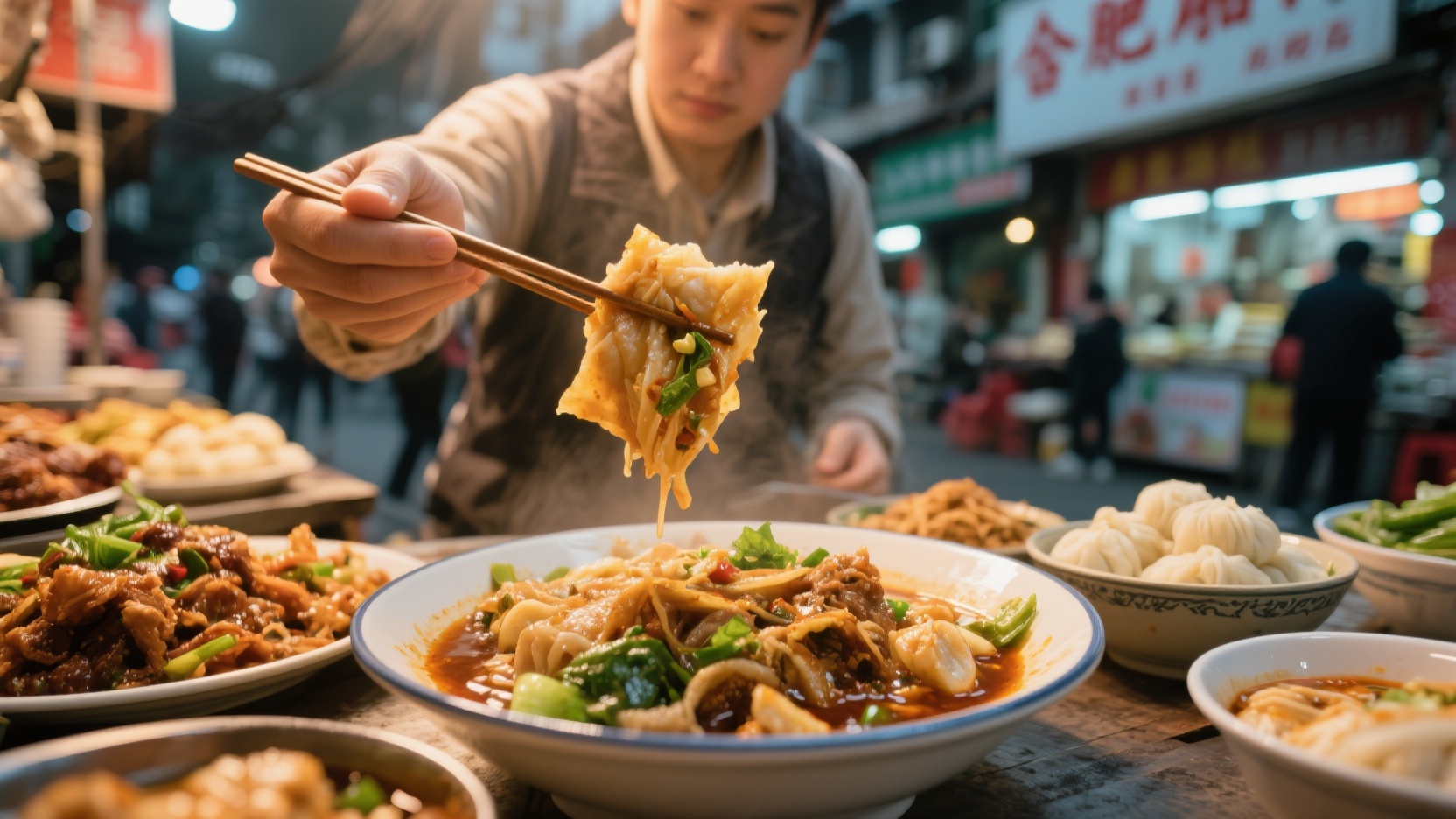
Having lived in Hefei for six years, the only time I ever woke up at 3 a.m. to drink Huoxiang Zhengqi Water (a traditional Chinese medicine for relieving ailments) wasn't at a roadside stall, but at a "time-honored brand" ranked in the top three of a certain review's must-eat list. Taking a bite of that duck oil sesame flatbread, the crust was as thick as a quilt, and I immediately understood why the people at the next table were only taking pictures without actually eating it.
Many travel guides describe Hefei's best food as a "three-piece set" of Huaihe Road Pedestrian Street, Lei Street, and Ningguo Road Lobster Street. But people who have lived here for more than five years will tell you: Hefei's best flavors aren't found in tourist attractions, but in farmers' markets, old residential areas, school back gates, and street vendors that only set up stalls at night. Below, I'll first talk about the bad experiences I had, and then recommend the restaurants I actually went to.
Don't treat review lists as local guides; I've been there before.
The first pitfall is the old-established shop on the pedestrian street with the words "Luzhou" hanging on its sign. Tourists line up to buy duck oil sesame cakes, but locals will only say, "The taste isn't what it used to be." The crust is thick, the oiliness floats on the surface, and the soup in the set meal is more like thickened water. Just buy one to try while walking around; don't sit down and order the "signature set meal."
The second pitfall is the antique-style snack village in Lei Street. It looks nice for photos at night, but the snacks are too similar; you can find fried skewers, stinky tofu, and roasted pig's trotters everywhere. Locals might only take a stroll through with friends, but they wouldn't eat a second meal there.
The third pitfall is the few stalls with the brightest signs on Ningguo Road's crayfish street. The crayfish are small and hollow, and the flavor relies on heavy oil and salt. Locals eat crayfish at places like Amber Villa and the old food stalls on Pihe Road, not counting how many "old brands" are listed on the signs.
The fourth pitfall is certain milk tea and pastry shops with long queues. They might be acceptable as souvenirs, but most of those queuing for an hour don't speak with a Hefei accent. Locals prefer to buy traditional pastries by weight from old food shops on Hongxing Road and Suzhou Road.
The authentic breakfasts from the local market understand the morning better than those trendy online breakfasts.
I often go to that breakfast stall without a storefront at the south entrance of Siwan Market. Around seven in the morning, steam mixes with the smell of the market, and plastic stools are filled with nearby residents. Potstickers are sold in portions of one or two ounces each, with a crispy bottom and a not-too-salty filling; the soup contains shredded chicken and wheat kernels, with a strong pepper flavor.
How to order without making a mistake: A couple of potstickers with a bowl of soup, plus a serving of savory soy milk. Don't order xiaolongbao (soup dumplings), they're semi-finished and steamed, the skin is sticky and the filling falls apart. The owner cooks them in batches, and won't pay attention to you even if you urge them.
If you can get up early, head to the husband-and-wife stall in Lihua Lane for Sanhe rice dumplings. The dumplings are freshly fried, with a crispy outer shell like a thin husk, and filled with tofu, pickled mustard greens, and a little dried shrimp. They're usually sold out by 9:30 am. The small shop can only seat three tables, and the owner remembers the preferences of her regular customers.
How to order without making a mistake: Two rice dumplings with congee, eat immediately. Don't take them to go, as the rice dumplings will become soggy if cooked, and it's not the same thing at all.
The snacks in the old town are hidden along the way home from school and under residential buildings.
The duck blood and vermicelli shop on the corner of Yimin Street is the taste of home for many Hefei kids after school. The soup base contains duck blood and duck intestines, the vermicelli is on the softer side but not mushy, and the chili oil is homemade. There's no service; you order and get your own, so use your tissues sparingly.
How to order without making a mistake: A small bowl of duck blood vermicelli with a side of crispy rice crust, break it in and soak for half a minute. Don't order the "Family Feast," the ingredients are too mixed and mask the soup flavor. Add chili oil sparingly, as the spiciness in Hefei snacks is sometimes fragrant spiciness, not numbing spiciness.
There's a fried food stall downstairs in a residential building on Hongxing Road. It only opens after 4:30 PM and has no sign. You can find it by looking for skewered lotus root slices in a plastic basket. The sauce is slightly sweet. The old Hefei way of eating it is with fried lotus root slices, fried rice cakes, and fried vegetarian chicken.
How to order without making a mistake: Two skewers each of lotus root slices, rice cakes, and vegetarian chicken, with "traditional sauce, less spicy". Avoid the large meat skewers, as frozen meat will become dry after frying. It's best to open the payment page in advance, as the signal at the stall is poor.
Local cuisine restaurants and crayfish shops, don't be fooled by how new their storefronts are.
Some restaurants along Pihe Road have old, peeling paint and handwritten menus pasted on the walls. Hefei's local cuisine is known for its rich, oily flavors. Loach noodles, salted duck stewed with soybeans, and edamame with soybean paste are popular autumn and winter dishes, while in summer, they often display lobster bowls outside.
How to order without making a mistake: For two or three people, order one serving of loach noodles, one dish of salted duck stewed with soybeans, and one plate of stir-fried seasonal vegetables. Don't order the large portion of loach, as the noodles will absorb the soup and clump together after a while.
When it comes to crayfish, I prefer the old food stalls behind Amber Villa. Green-shelled crayfish are easier to peel than red-shelled ones, and the meat is firmer. To judge the quality of crayfish, look at the cleanliness of their gills; don't just focus on their size.
How to order without making a mistake: Start with two pounds of green-shelled shrimp, and after eating them, mix a bowl of noodles with the garlic broth. Avoid eating shrimp before they're fully available, as the shells will be hollow and the meat will be mushy. Don't order the shrimp balls; many are just bits of shrimp tails and flour.
Finish with traditional pastries, don't just focus on the gift box.
The sesame seed cakes, baked cakes, boiled vegetables, and "inch-gold" snacks that the older generation in Hefei used to enjoy with tea have now been squeezed out of the market by trendy snacks. The old food shops on Hongxing Road and Suzhou Road still sell them by weight, and the packaging is just plastic bags. The sesame seed cakes are still fragrant with sesame, and the baked cakes are crispy but not hard.
How to avoid making a mistake when ordering: Buy half a pound of sesame cakes and half a pound of baked rice cakes, and ask the clerk to mix them in one bag. Don't buy gift boxes, as they often contain items with stale expiration dates. Bulk orders are more practical.
In conclusion
1. Don't ask locals "Is it spicy?" The standard for spiciness in Hefei is very subjective. Many snacks come with chili oil by default, so if you ask, you'll get the answer "not spicy," and then you'll be overwhelmed by the spiciness.
Second, avoid these traditional restaurants during peak meal times. Breakfast stalls sell out after 9 a.m., fried food stalls only start to smell good after 5:30 p.m., and the wait at local cuisine restaurants is so long you'll question your existence until noon.
Third, avoid wearing white clothes when eating fried skewers, crayfish, and local dishes. The sauce and oil won't let you off the hook just because you're careful.
Fourth, don't use review apps to find places by ranking. Many established stalls in Hefei don't inflate their ratings or buy rankings; the higher the ranking, the more likely it is to be a tourist trap. Just look for stalls where locals wearing slippers and speaking the Hefei dialect are sitting; you're pretty much guaranteed to find something you like.
5. Don't order large portions. Hefei snacks and local dishes are served in generous portions; large portions are easy to waste and will also prevent you from having the chance to try another place. Order small portions first, and add more if needed.