
Don't go to the crowded places in winter! | Harbin locals' firsthand experience during the river opening season: Don't be fooled by travel guides about these 7 limited-time foods.
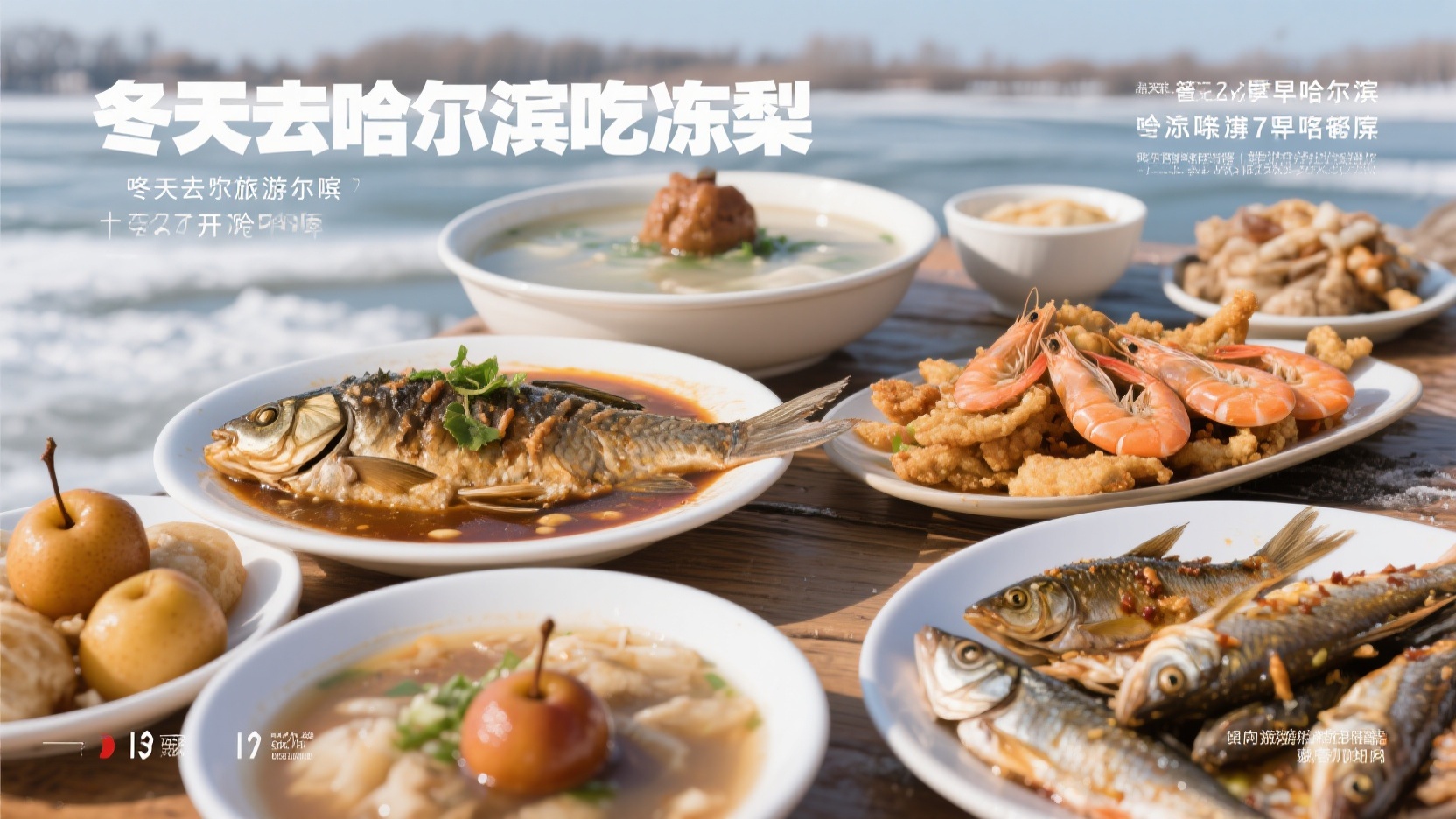
If you still consider "eating frozen pears and queuing up for red sausage in Harbin in winter" as your ultimate food goal, then you probably haven't been jokingly dissuaded by the locals yet. The last thing you should eat in Harbin in winter is precisely the touristy stuff that's been hyped up in travel guides. What truly keeps the locals up at all hours during the first twenty days of spring is the "first-harvest fish" from the Songhua River during its thawing season.
It wasn't winter, nor summer; it was the ten days or so between Qingming and Guyu, when the river surface had just cracked open. During this time, the fish hadn't eaten much all winter, their intestines were clean, the muddy taste had faded, and their flesh was firm and chewy. After this period, when the river water warmed up and the fish started feeding again, that flavor was gone.
This article won't rank your top 10, nor will it mention those restaurants that are all over short videos. Instead, it will simply list the 7 things that locals should really eat this season, based on their four meals a day.
Breakfast 1: River-opening crucian carp soup with mixed rice; avoid queuing for fried cakes at the morning market.
The small crucian carp caught at the start of the river season are best enjoyed by locals not by braising, but by making soup. The fish are cleaned and placed directly into a pot of cold water with only ginger slices and salt, then brought to a boil over high heat until the soup turns white.
The essence of this soup lies in "soaking millet and rice together". Millet and rice are mixed together with the cooked rice, two spoonfuls of fish soup are added, and the fish meat is removed and mixed in. During the spring season, the crucian carp meat is shaped like garlic cloves, not dry or fishy, and when paired with coarse grain rice, a bowl of this soup warms you from your stomach to the back of your neck.
Breakfast 2: Shrimp paste spread on flatbread. The shrimp only live for twenty days after the river opens.
The small river shrimp caught from the Songhua River when it thaws are small in size, with thin shells and tender meat. Locals chop them up and stir-fry them with Northeastern soybean paste and scallions to make a savory river shrimp sauce.
Break open a freshly made cornbread, spread a spoonful of river shrimp paste on it, and add two small garlic cloves that are only available in spring. This combination is more filling than any trendy brunch in Harbin in spring, and it also has a wild flavor that comes from the muddy bottom of the river.
Lunch main dish: Braised catfish with cornbread; don't believe that sweet and sour pork is a local canteen dish.
The catfish caught during the spring thaw, scientifically known as the yellow catfish, still has its back spine sticking out, and its flesh is so tender that it trembles when picked up with chopsticks. Local restaurants usually braise it in a sauce—Northeastern soybean paste, dried chili peppers, and garlic slices are stir-fried until fragrant, and then the fish is braised until the sauce becomes glossy.
It must be eaten with a pot-baked flatbread. Half of the cornbread is soaked in the sauce, while the other half is baked until crispy. Tear off a piece of flatbread, dip it in the sauce, and then pick up a piece of fish belly with your chopsticks. The salty, fresh, and slightly spicy flavors battle in your mouth. In Harbin in the spring, this meal costs only a few dozen yuan per person, which is much more affordable than the long queues at Russian restaurants in the winter.
Lunch bonus: Willow shoots stewed with potatoes, a "bitter" flavor only found in spring.
Willow shoots are among the earliest wild vegetables to sprout in the wetlands and river tributaries around Harbin, and they are at their most tender after the Qingming Festival. They have a slightly bitter taste, but when stewed, they have a sweet aftertaste, and locals call them "opening river green".
The method is extremely simple: stir-fry potatoes in chunks, add water and willow shoots, and simmer until the potatoes are soft and mushy. This dish doesn't overpower the other flavors; it's specifically designed to balance the richness of the braised fish. Many people from other regions think it tastes like chrysanthemum greens at first, but with an added layer of riverside, slightly fishy aroma. After May, the willow shoots become too tough to chew, so this dish is somewhat of a seasonal treat.
Afternoon tea: Deep-fried river shrimp with wild thorn shoots dipped in sauce; avoid feeding pigeons on Central Street.
Harbin's spring afternoons are windy, and locals don't really enjoy elaborate afternoon tea. During the river thaw season, there are often stalls along the riverbank frying river shrimp, coating them in a little dry flour, and taking them out of the oil in just a dozen seconds.
Freshly fried river shrimp, shell and all, are so crispy they practically crumble. Sprinkle with salt and pepper, and pair with a bottle of Qiulin Kvass. Another spring-limited treat is wild rhizome shoots, blanched and dipped in egg sauce—slightly bitter with a sweet aftertaste. Enjoying these two dishes by the Songhua River feels more like Harbin than any trendy cafe. Note that these are only available for fifteen to twenty days after the river thaws.
Late-night snack: Grilled mixed river fish with large green popsicles; don't eat frozen pears for a late-night snack in winter.
During the river thaw season, locals won't flock to the Shida Night Market for grilled squid. True connoisseurs will head to the small barbecue stalls in the old Daowai district and order "grilled mixed river fish"—a skewer of willow root, gourd, and small whitefish, brushed with garlic chili sauce and grilled until slightly charred.
These small fish are all caught fresh from the riverbank after the river thaws. The meat is tender, and although they have many bones, they taste delicious after being grilled. Paired with an ice-cold bottle of Harbin beer, which locals call "big green sticks," a bite of fish and a sip of beer is the wildest way to live in a Harbin spring night. Frozen pears for a late-night snack in winter? That's a chore only tourists would do.
In closing: Don't ask the locals if I didn't tell you.
First, the more expensive the fish, the better. Small crucian carp and catfish are the main dishes on the local people's tables. Don't be fooled by the expensive three-flowered and five-fish fish.
Second, the true river thawing season only lasts about twenty days from around Qingming to Guyu, depending on how the river surface thaws. Before you go, ask a local friend in Harbin if the river has thawed yet, so you don't end up disappointed at the end of April.
Third, avoid ordering "opening-river fish" at Central Avenue and trendy restaurants, as many are actually frozen fish. Instead, go to the morning market along the Songhua River or small restaurants near the old Daowai residential area. If you see local elderly people buying fish with bags, just follow them.
Fourth, river shrimp and other river fish have many bones, so be patient when eating with the elderly and children. People who are not used to spitting out bones should be careful when ordering river shrimp other than fried shrimp.
5. It's windy and cold by the river this time of year, so don't dress too lightly. When you're sitting by the river eating fried shrimp and drinking kvass, it's best to bring a windproof jacket, otherwise the locals will immediately recognize you as a tourist.