
Hangzhou Food Avoidance Guides | Local Testimonials: Don't Be Fooled by Guides, These 9 Restaurants Are Truly Worth Trying
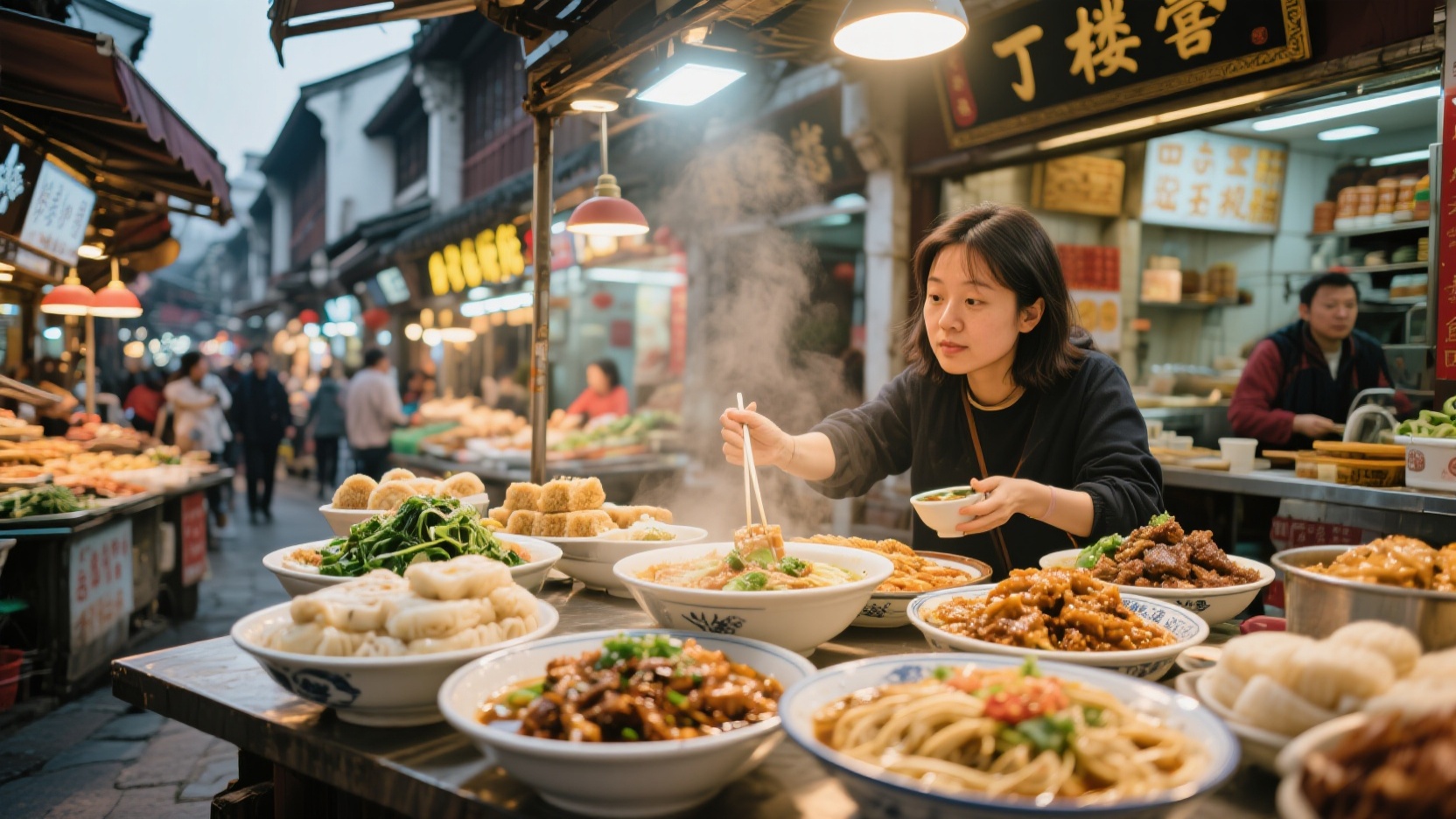
Having lived in Hangzhou for six years, I have witnessed firsthand how the "must-eat" Dingsheng cake shop on Hefang Street has gone from being steamed to being microwaved, yet the queues have only grown longer.
If you're still relying on online reviews and rankings to find good places to eat in Hangzhou, you're likely to fall into the same trap. Many of those "must-eat" lists online are geared towards tourists; locals have long since stopped going there. The truly delicious food is hidden in the wet markets, old neighborhoods, and late-night noodle stalls.
Let's start with three disappointing dishes on the "must-eat list" that even locals would shake their heads in disapproval.
The first place I went to was Lou Wai Lou's West Lake Vinegar Fish. Out-of-town friends always insisted on going there when they came to Hangzhou, so I went with them three times. Each time, the fish was overcooked, and the vinegar sauce tasted like overly thickened sweet and sour water. Locals never consider this place for family gatherings. If they really want to eat vinegar fish, they go to a small restaurant in an old neighborhood where the fish is freshly killed and the sauce is freshly prepared.
The second place to be disappointed is the "freshly made Dingsheng cake" stall on Hefang Street. It looks steaming hot, but much of it is actually semi-finished products delivered from a central kitchen via cold chain, microwaved and sold immediately. What you taste isn't the aroma of rice, but an industrial sweetness. Locals buy Dingsheng cake from the small steamer stall next to the market; that's what you call freshly made.
The third bad choice was the Longjing Shrimp at a chain of Hangzhou-style restaurants. The shrimp was frozen, and the tea flavor relied entirely on a few Longjing tea leaves sprinkled on top at the end, yet the price was inflated. Locals would never order this dish when entertaining guests because the freshness of the shrimp and the aroma of the tea are simply not on the same wavelength.
Noodles: These two neighborhood noodle shops are the locals' go-to places for carbohydrates.
The first noodle shop was located in an old residential building near the train station. The storefront was so small it was easy to miss, and during mealtimes it was packed with nearby office workers. Their signature dishes were Pian'erchuan and Banchuan, and the noodles were alkaline, each strand distinct. You had to arrive early, as they closed at 2 PM. How to order: Pian'erchuan with a side of fried pork cracklings, and ask the owner to add extra pickled mustard greens. The broth was so delicious you could drink it all.
The second shop is located in the Chaohui residential area. It has been open for over twenty years and only serves breakfast and lunch. The owner gets up at dawn every day to simmer pork bone broth, and the bamboo shoots and pork slices for the Pian'erchuan noodles are all freshly cut. How to order: Pian'erchuan noodles with pickled mustard greens and winter bamboo shoots, plus a pork chop. The pork chop is first braised and then fried, which is just right to cut through the richness of the noodles.
Market stalls: Hidden snacks in Da Ma Long and Cai He
There's a scallion pancake stall in the middle of Da Ma Lane. They only open in the mornings, and the stall owners are an elderly couple. The dough is made fresh to order, the fried dough sticks are flattened, and the sweet bean sauce and chili sauce are homemade. How to order: one scallion pancake with vegetarian roast goose, no chili, and ask the auntie to press it a little longer so the edges are crispy and fragrant.
At the side entrance of Caihe Market, a long queue forms starting at 3 PM, filled with locals buying fish to add to their meals. The fish is freshly killed and fried, then soaked in a sweet and sour sauce, resulting in a crispy exterior and tender interior. How to order: Buy half a pound of crispy fish, choose the sweet and sour flavor, and ask the vendor for an extra spoonful of sauce. It's perfect with rice or as a snack with drinks.
The braised duck stall at Wangjiangmen Market only makes a limited quantity each day, closing once it's sold out. The duck meat is firm and not gamey, and the braising sauce is savory with a hint of sweetness, making it an essential cold dish for Hangzhou people's New Year's Eve dinner. How to order: Cut half a braised duck into small pieces, ask the chef to pack the braising sauce separately, microwave it for 30 seconds at home, and then pour it over the duck.
Hangzhou cuisine: Two traditional restaurants that families usually go to for gatherings
Deming Restaurant is tucked away in an old neighborhood on Fuxing Road. Its storefront is unassuming, but there's always a wait during peak hours. It specializes in Xiaoshan cuisine, with crispy pork intestines, stir-fried shrimp, and braised snails being its three signature dishes. How to order: the crispy pork intestines must be eaten hot, and the stir-fried shrimp should be made with river shrimp. For around 100 yuan per person, you can have a very satisfying meal.
Fu Yuan Izakaya is a popular restaurant for locals to entertain guests. The menu is quite thick, but savvy diners only order a few dishes. Dishes like stir-fried bamboo shoots with pickled vegetables, braised pork in soy sauce, and pork kidneys with scallion oil are all perfect with rice. How to order: Don't order the West Lake Vinegar Fish; instead, order the pork kidneys with scallion oil and ask the kitchen to cook them tender. It goes perfectly with a bowl of rice.
Late at night and early in the morning: Locals' secret time slots
Near the Drum Tower on Zhongshan South Road, there's a pan-fried bun stall after 10 PM. It has no sign, just a single light. The buns have a crispy bottom and are filled with juicy pork. How to order: two buns with a bowl of savory soy milk, topped with dried shrimp and fried dough stick crumbs—a gentle touch of Hangzhou's late-night charm.
Breakfast stalls in the alleys of the old town open at 5:30 in the morning, selling wontons and pan-fried dumplings. The wonton wrappers are as thin as paper, and the soup base is a clear broth made with lard and scallions. How to order: a bowl of wontons and four pan-fried dumplings, with the bottom side up, dipped in rice vinegar and chili sauce.
In closing: Don't ask the locals if I didn't tell you.
1. Don't ask if it's spicy. Most Hangzhou dishes are not spicy, but some restaurants will ask if you want it spicy. If you say "mildly spicy", it's probably the same as not spicy at all. Locals assume that it's not spicy.
Second, avoid going during mealtimes. Most of these hidden gem restaurants are small with limited seating, and the queues during peak hours can be incredibly long. It's best to go around 2 PM or 8 PM for the most comfortable experience.
Third, don't wear white clothes. When eating dishes like Sichuan-style noodles, crispy fish, or braised duck, the broth and sauce will splatter onto white clothes and are almost impossible to wash off. There's a reason why locals wear dark colors.
Fourth, don't use reviews to find restaurants. Most of the top-ranked restaurants on review lists have bought traffic, while the truly delicious ones may only have a rating of three points or so, relying on repeat customers.
5. Don't order large portions. Hangzhou cuisine tends to be sweet and oily, and large portions can easily become greasy. Also, many restaurants offer free refills of noodles or rice, so order a small portion and ask for more if it's not enough. Never order a large portion right away.