
Eat your way through Hangzhou according to the solar terms | I followed the 24 solar terms four times to find these 8 seasonal dishes that only locals can understand (personally tested to avoid pitfal
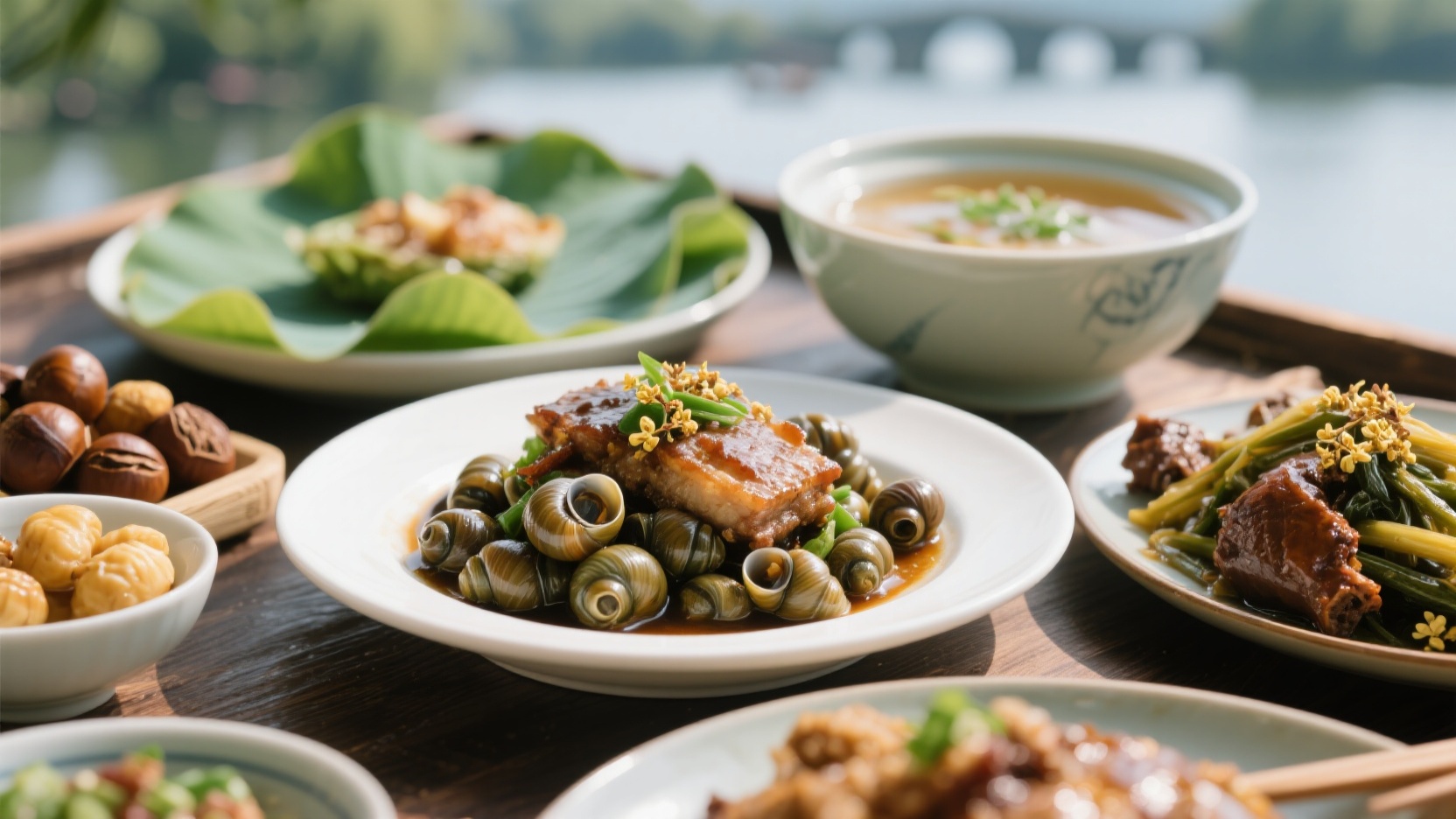
Having lived in Hangzhou for twelve years, I've discovered something counterintuitive: those so-called "Hangzhou dishes" that are on the menu year-round are rarely ordered by locals. What truly compels the old Hangzhou residents to go out precisely on time are the seasonal delicacies that lose their appeal after just ten days or so. The following menu is the result of several years of trial and error, and even spending time with market vendors; it's only for those willing to eat according to the seasons.
Springtime | From the Awakening of Insects to the Qingming Festival: The Golden Ten Days for Snails and Bamboo Shoots
Let's start with snails around Qingming Festival. There's an old local saying, "Snails before Qingming are better than geese," but many people don't know that the window for snails to truly taste their best is actually shorter than Qingming—only about ten days from the warming weather after the Awakening of Insects to before they lay eggs before Qingming. At this time, the green-shelled snails have thick meat, no eggs, and the muddy smell is the least. After Qingming, the snails are full of small snails, and the taste immediately drops. Locals eat stir-fried snails with sauce, emphasizing "keeping them to purge mud overnight, and not cutting the tails too early." When cooking, they must use ginger shreds and perilla leaves to suppress the aquatic plant smell, and a small spoonful of Shaoxing wine is added before taking them off the heat. When eating, you can't pick them out with toothpicks; you have to suck them directly, so that the sauce inside the shell and the meat go in together for the best flavor.
At the same time, the window also displays the bamboo shoots of Tianmu Mountain in Lin'an. As soon as the Awakening of Insects sounds, the bamboo shoots sprout from the soil, remaining tender and fiberless until Grain Rain. Old Hangzhou locals have two ironclad rules for eating braised bamboo shoots: first, "bamboo shoots should not be kept overnight"—bamboo shoots dug in the morning will become older and coarser by the afternoon; second, only the two inches below the tip are used, cut into chunks, and then heavily seasoned with oil and sugar until the sauce thickens. Many tourists find the braised bamboo shoots in restaurants near tourist attractions bitter, mostly because the shoots have been left out for too long or overcooked. Once seasonal produce is frozen or left overnight, the flavor is lost.
Summer | From Lesser Heat to the Beginning of Autumn: The Fragrant Window of Lotus Leaves and Seeds
Once the Lesser Heat (Xiaoshu) solar term has passed, the lotus ponds around West Lake truly enter their peak season, with leaves as large as canopies and fragrant without being astringent. Steamed pork with lotus leaves tastes best only when made with fresh lotus leaves during this time of year. In the height of summer, the lotus leaves release their most concentrated volatile aromatic compounds. After steaming, the aroma of the pork's fat mingles with the slightly bitter scent of the lotus leaves, perfectly relieving the greasiness of the hottest days. Locals have a particular way of eating steamed pork: instead of picking up the meat with chopsticks first, they eat it whole, wrapped in a small piece of lotus leaf, along with a sip of warm Shaoxing wine. Pork made with dried or refrigerated lotus leaves will have a dull aroma; an old Hangzhou resident can immediately tell something is wrong.
Around the time of the Great Heat (a solar term in China), freshly picked lotus pods are a "cold drink alternative" that local children have enjoyed since childhood. The timing is crucial for eating tender lotus seeds raw: those picked in the early morning are crisp, sweet, and juicy; after noon they become powdery, and if left until the next day, they can only be shelled and used to make porridge. Locals chew the green lotus hearts along with the seeds; they are slightly bitter at first, but the aftertaste is quickly sweet, perfectly counteracting the summer heat. Tourists often only buy shelled white lotus seeds, but that misses the most essential layer of flavor.
Autumn | From White Dew to Frost's Descent: Osmanthus and Chestnuts at Their Highest Concentration
Autumn in Hangzhou is inextricably linked to the osmanthus blossoms of Manjuelong. The first harvest of golden osmanthus around the time of the White Dew solar term is the purest in fragrance, but also the least suitable for picking on rainy days. True locals make candied osmanthus by only using blossoms shaken down within three days after the White Dew, layering them with sugar and blossoms, then sealing them up for use in late autumn to make osmanthus-flavored lotus root. Lotus root at this time also reaches its soft, powdery stage; stuffed with glutinous rice and drizzled with osmanthus sugar, it's more delicate and flavorful than any imitation from other seasons. Osmanthus picked after the Frost's Descent solar term has a mixed fragrance and is only suitable for making sachets.
The second dish that follows the osmanthus theme is the Osmanthus Chestnut Soup from the Manjuelong area. From the White Dew to the Frost's Descent solar term, the chestnuts from Benshan, Hangzhou, are freshly harvested and at their peak of softness and powderiness. Locals prefer to peel and cook them fresh, adding a spoonful of homemade osmanthus sugar. The key to this sweet soup is freshness: the chestnuts must be peeled on the same day, otherwise they will harden overnight; the osmanthus sugar must be sealed around the time of the White Dew, otherwise the aroma will only float on the surface. Many tourist versions use canned chestnuts and syrup, making them cloyingly sweet and completely lacking the refreshing osmanthus fragrance.
Winter | From Heavy Snow to Winter Solstice: The Fermentation Magic of Winter Pickles and Sauces
As soon as winter arrives, rows of braised ducks and meats hang on the balconies of old residential areas in Hangzhou. The season for making braised meats begins when temperatures stabilize below 10 degrees Celsius after the start of winter and the northwest wind picks up. Traditionally, Hangzhou people only marinate ducks and meats in soy sauce at this time, letting the cold wind blow them until the surface develops a waxy sheen and the meat tightens without becoming dry. When steaming the braised duck, it's important to keep it whole, without chopping it. After the steam rises from high heat, reduce to a simmer to allow the duck fat to slowly seep out. Chopping the duck and then re-steaming it will make the saltiness too intense. Many people from other regions find the braised duck too salty, but this is because it's chopped before it cools down; the saltiness will be much milder once it cools.
Just like preserved meats, winter pickled vegetables are also subject to strict timing. Hangzhou locals' indispensable winter dish, "Stir-fried Two Winters," uses long-stalked Chinese cabbage pickled in jars opened around the time of the Great Snow solar term. If the temperature isn't low enough, the vegetables easily ferment, turning sour and rotten; once the temperature rises, the pickled stalks are crisp, the leaves fresh, and they have a naturally sour aroma. Locals making "Stir-fried Two Winters" must cook the winter pickled vegetables and winter bamboo shoot slices together, without adding extra salt, allowing the saltiness of the pickled vegetables to slowly bring out the sweetness of the winter bamboo shoots. This dish can still be eaten after the Winter Solstice, but its flavor begins to decline once spring arrives and the humidity returns.
Compiling this menu, my biggest takeaway is that in Hangzhou, many things aren't about "this restaurant is good," but rather "it's good for these three days." Ingredients have their own timeline; once that point is missed, even the best chef can't salvage it. Come at the right time, and even a roadside stall can have its highlight; come at the wrong time, and even the most popular restaurant becomes just a facade. Eating according to the seasons is the right way to experience a city.
Finally, here are three tips to avoid common pitfalls: First, don't wait until after May Day to enjoy snails and bamboo shoots, especially snails, as they'll likely miss their peak flavor after Qingming. Second, for osmanthus-related desserts, look for the period between White Dew and Cold Dew; the first harvest of golden osmanthus from Manjuelong has the most authentic aroma, while those eaten in late autumn often taste like syrup. Third, try to eat braised duck and winter pickled vegetables around the Winter Solstice, as their flavor diminishes significantly after the spring dampness returns. To eat right, don't ask which shop, first ask what solar term it is today.