
Guiyang in the Alleys: 7 Artistic and Spiritual Corners to Avoid the Crowds
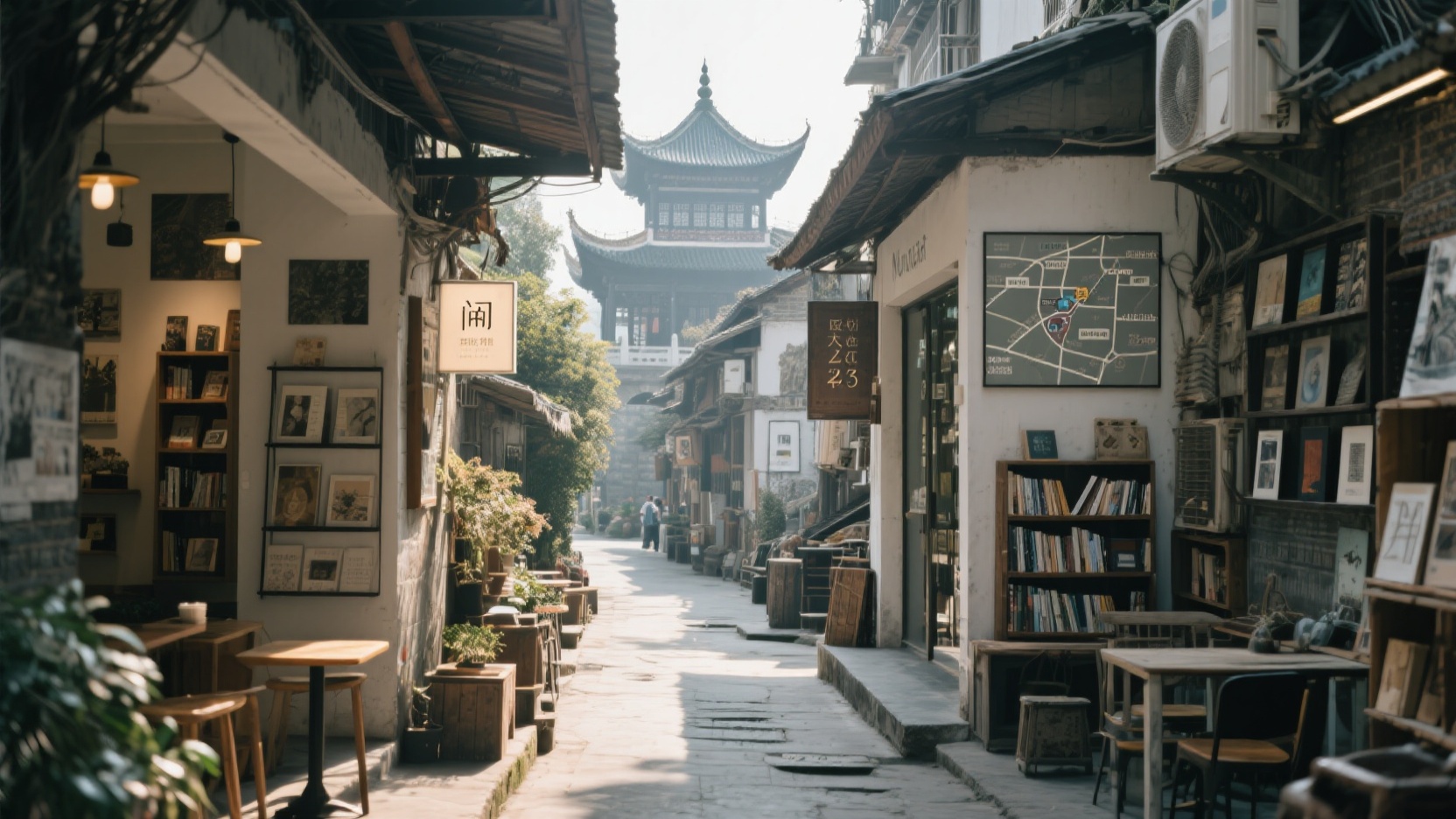
Guiyang's cultural and artistic clues are mostly hidden in exhibition halls converted from old factories, independent bookstores tucked away in alleyways, and secondhand warehouses. This route avoids standard tourist attractions like Jiaxiu Tower and Qingyan Ancient Town, connecting seven niche spaces frequented by young tourists and local art enthusiasts, perfect for a leisurely day and a half of exploration. Below, each space is described in turn according to its character and highlights, along with photography tips.
Yexian Bookstore
This is an independent bookstore rooted in Guizhou local history and literature. The storefront is small, but the interior features an entire wall dedicated to local chronicles and ethnic minority handicrafts. National bestsellers are rare; instead, the store offers academic publications and old picture albums on Miao folk songs, Dong folk songs, and Nuo opera. The atmosphere is quiet, with readers often sitting at long tables browsing books, and the staff doesn't disturb them. The highlight is the concentration of Guizhou local cultural materials, making it suitable for tourists wanting to understand the city's character. Photography tips: Utilize the stacks of old books by the window and the warm yellow lighting to take close-up shots of hands turning pages from above; use depth composition in the bookshelf aisles and avoid using flash. If you have the patience, you can easily spend an entire afternoon in front of the local chronicles section.
Sanke Island Bookstore
Sanke Island is a small, community-oriented space combining a movie theme with vinyl records. The poster wall is arranged by country, and there are separate vinyl listening areas and magazine racks with handwritten recommendations pasted along the spines. The atmosphere is more like a friend's living room, perfect for spending an hour in the evening. Highlights: Movie poster wall, lesser-known soundtracks, and small-scale screenings. Photography tips: Candid shots taken from the side in front of the poster wall look more natural, or take still-life close-ups of the record player and headphones, using warm-toned lamps to create a film-like feel. Small screenings are held occasionally; film enthusiasts can check the announcements for updates.
Chemical Fiber Factory Art Zone · Fiber Space
Converted from an old fiber factory workshop, the space retains its concrete floor, steel frame structure, and high skylights. The core space, "Fiber Space," primarily hosts contemporary art exhibitions, with frequent updates, often featuring installations, videos, and performance art. The art district also includes several artist studios, some open on weekends. The atmosphere is raw and experimental, suitable for visitors interested in contemporary art. Highlight: The contrast between the original factory structure and contemporary works. Photography tips: Wear solid-colored clothing and stand between the concrete pillars and steel frame, utilizing the skylight's overhead light to create contrast; when photographing installations, be aware of exhibit protection signs and do not use flash. It's recommended to visit the art village on the same day as Banqiao Art Village, but their atmospheres are different, so comparisons are unnecessary.
Banqiao Art Village
Formerly the old factory area of the Guizhou Heavy Machinery Plant, the village features red brick factory buildings, railway tracks, and large cast iron sculptures, creating a strong industrial atmosphere. Studios for pottery, printmaking, and woodworking are scattered throughout the village, with large murals adorning the walls. The sculptures are perfect for strolling and observing. The atmosphere is more relaxed than the chemical fiber factory, ideal for an afternoon walk. Highlights: The scale relationship between the large sculptures and the red brick buildings; the walls displaying unfinished products and tools in the studios. Photography tips: Use long shadows to photograph people walking in front of the red brick walls in the evening; creating a dramatic effect with the sculptures in a misaligned composition; shooting from a low angle enhances the contrast of volume. The village roads are wide, and the low density of tourists means the sound of camera shutters won't be jarring.
Tianhai Art Museum
This private contemporary art museum features a white geometric facade and a spiral staircase connecting three floors of exhibition halls. The exhibitions focus on local Guizhou contemporary artists, with permanent and seasonal exhibitions running concurrently. The space is spacious and free of the crowds often found in traditional art museums. Highlights: The building's geometric lines and the development of contemporary art in Southwest China. Photography tips: Shooting from above the spiral staircase emphasizes the lines; the blank walls at the far end of the exhibition halls are suitable for minimalist compositions; when shooting portraits, including large areas of white wall in the frame yields better results. The exhibition layout is clear and suitable for first-time visitors to contemporary art to explore at a leisurely pace.
MounGar423 Community Cafe
This local Guiyang community coffee shop is located on the ground floor of an old residential building, converted from a tiled roof and retaining its courtyard and wooden windows. Unlike tourist-style coffee shops, it's more of a daily hangout for local residents and freelancers. The hand-drip menu changes seasonally, and the barista recommends locally roasted beans. Highlights: the old building's courtyard, greenery and wooden structural details, and the sense of community life. Photography tips: Take photos from the second floor overlooking the courtyard seating area; backlighting is also great for capturing the texture of the coffee cups and wooden tables. On rainy days, taking photos of the street scene through the wooden windows also creates a great atmosphere. The bar seating is perfect for observing the daily interactions between the barista and regular customers.
Shiguang Old Things Warehouse
This local vintage collection displays enamelware, antique furniture, black-and-white photographs, radios, and old receipts commonly found in Guiyang homes from the last century. Some items can be touched and examined. The space is divided into sections based on everyday life scenes, resembling a small warehouse of urban memories. The atmosphere is nostalgic but not heavy, suitable for visitors who appreciate vintage objects. Highlights: The life stories behind the old objects, and old photo albums to browse. Photography tips: Use a flash to shine directly onto enamel mugs or old clocks to highlight their worn texture; framing shots through old window frames adds a narrative feel. The lighting inside the warehouse is dim, so a wide-aperture lens is recommended.
From old book pages to old factory buildings, from a cup of hand-drip coffee to a vintage object, this route doesn't offer a standard checklist; it simply provides an entry point into the everyday fabric of Guiyang. It's about exploring the city's spiritual corners on foot.