
Taste of Fuzhou: A Culinary Journey You Can't Miss
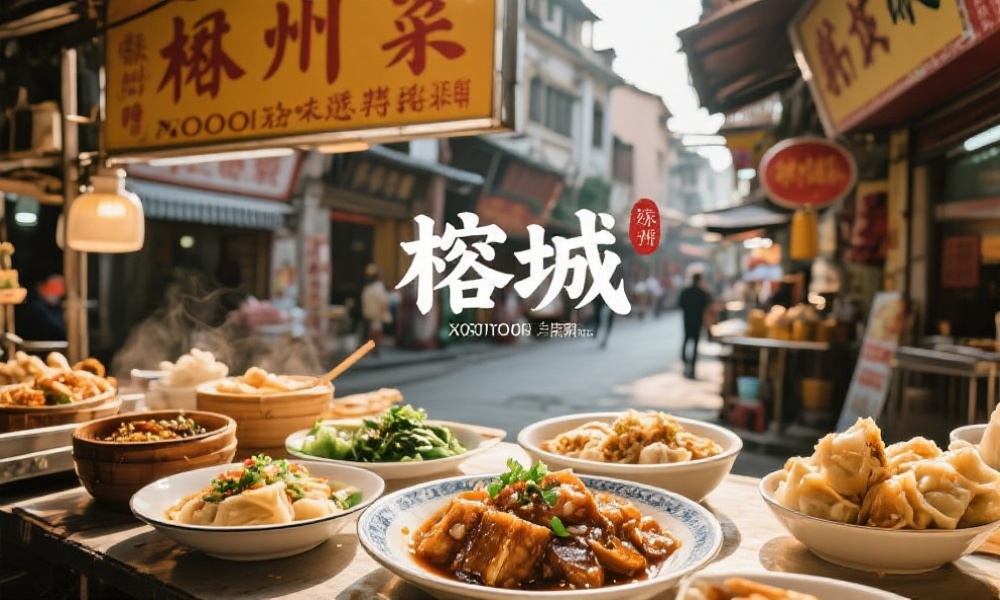
Fuzhou, a southeastern coastal city known as the "Banyan City," attracts visitors from all over the world not only with its unique landscape gardens and profound historical and cultural heritage, but also with its distinctive Fujian cuisine and diverse street food, creating a mouthwatering culinary landscape. As a senior destination columnist for XOOTOUR, this article will provide an in-depth analysis of the essence of Fuzhou's distinctive cuisine, helping you accurately locate authentic flavors, avoid tourist traps, and truly experience the unique charm of this city through your taste buds.
Must-try signature dishes list
Fuzhou cuisine, an important part of Fujian cuisine, is renowned for its "freshness, harmony, rich flavor, and non-greasy" characteristics. Here are some representative dishes you shouldn't miss in Fuzhou:
- Buddha Jumps Over the Wall: As the premier representative of Fujian cuisine, Buddha Jumps Over the Wall is renowned for its complex cooking process and exquisitely complex umami flavor. It is made with dozens of precious ingredients such as abalone, sea cucumber, shark fin, dried scallops, and tendons, simmered over low heat. Its broth is rich and flavorful, the ingredients are tender and juicy, fresh without being greasy, and its aroma is intensely fragrant, making it a must-try for experiencing the luxury and refinement of Fujian cuisine.
- Lychee Pork: This dish uses pork tenderloin as the main ingredient. After being scored, it is deep-fried until golden brown, then stir-fried with water chestnuts and other ingredients, and drizzled with a sweet and sour sauce. The finished product has a bright red color, resembles a lychee in shape, and has a crispy exterior and tender interior. With a pleasant sweet and sour taste, it is a classic Fuzhou home-style dish.
- Fuzhou fish balls: Fuzhou fish balls are famous for their unique "filling" technique. The skin is made by pounding fresh fish meat, resulting in a bouncy and smooth texture. The filling is usually minced pork. When you bite into one, the savory flavors of the broth and meat filling intertwine in your mouth, complemented by a clear soup base, creating a delicious taste.
- Meat Swallow (Taiping Swallow): Meat Swallow is a traditional snack unique to Fuzhou. Its special feature is that the "swallow skin" is not made of flour, but is made by repeatedly pounding pork into a paste, adding a small amount of sweet potato flour, and rolling it out. It is as thin as a paper wing and has a smooth texture. The filling is generous and is usually cooked with fish balls. It symbolizes "peace and tranquility" and is an indispensable dish at Fuzhou banquets.
- Dingbianhu (鼎边糊): A top breakfast choice for Fuzhou locals. Rice flour batter is poured along the edge of a pot and, once it solidifies, scraped into the broth to form thin, translucent sheets. The broth is made with seafood, sliced meat, mushrooms, and other ingredients, and topped with dried shrimp, clams, scallions, and other rich toppings. It has a soft, glutinous, and refreshing texture with a delightful aroma.
- Taro paste: A classic Fuzhou dessert. It is made by steaming high-quality taro until cooked, then mashing it into a paste, adding lard, sugar and other seasonings. It has a delicate and smooth texture, is sweet and soft, and has a unique taro aroma. It is a perfect treat for after a meal or afternoon tea.
- Oyster cakes: A common fried snack on the streets of Fuzhou. The outer skin is made from a mixture of rice flour and soy milk, and the filling includes fresh oysters, pork, cabbage, seaweed, etc., and they are fried until golden and crispy. Crispy on the outside and tender on the inside, the freshness of the oysters and the aroma of the filling blend perfectly.
- Guangbing: A traditional charcoal-baked flatbread, round and flat in shape with a hole in the center. The outer crust is crispy, while the inside is chewy, with a smoky aroma from the charcoal and a rich sesame flavor. It can be eaten plain or filled with meat, scallions, or other fillings for an even better taste.
Local favorites for food
To truly experience authentic Fuzhou cuisine, the key is to avoid tourist hotspots and explore the local neighborhoods. Here are a few neighborhoods frequented by Fuzhou locals for their favorite eateries:
- Daming Food Street: Located in the city center, it is one of Fuzhou's famous food streets. It gathers a wide variety of local Fuzhou snacks and regional delicacies, from oyster cakes, fish balls, and meat dumplings to barbecue and desserts. Although highly commercialized, many time-honored brands and authentic shops remain hidden within, making it a convenient choice for first-time visitors to experience Fuzhou's culinary scene.
- Old Cangshan Area: As the old city of Fuzhou, Cangshan retains a large number of historical buildings and traditional streets and alleys. Scattered throughout areas like Tingxia Road and the area around Fuzhou Normal University are many unassuming but delicious snack shops and hole-in-the-wall restaurants. Delving into the alleys of Old Cangshan, you'll discover many long-established businesses, such as Fuding meat slices and Laohua (a type of noodle soup), offering affordable prices and authentic flavors.
- Student Street/Around Fujian Agricultural University: The "Student Street" near Fuzhou University Town and the area around Fujian Agricultural and Forestry University have become hubs for affordable and delicious food due to the large student population. The variety of snacks here is vast and constantly evolving, making it a great place to sample trendy and creative Fuzhou snacks and late-night meals. While there are some trendy shops, you can also find many traditional delicacies at reasonable prices.
- Around Sanfang Qixiang: Although the restaurants inside Sanfang Qixiang mainly cater to tourists, you can still find some traditional snack shops and restaurants frequented by locals in its outer areas and surrounding streets, such as the extension of Nanhou Street, Jibi Road, and Bayi Road. You need to be patient and carefully select these shops, avoiding those that are overly marketed.
Tips for avoiding overpriced and overpriced shops and tourist attractions
When looking for food in Fuzhou, especially in popular tourist areas, avoiding bad choices is a concern for every traveler. Here are some practical tips to avoid these pitfalls:
- Be wary of restaurants in the core areas of scenic spots: Restaurants in areas like Sanfang Qixiang (Three Lanes and Seven Alleys) tend to be more expensive, and their taste may have been compromised to cater to a wider audience. It's recommended to do a quick tour within the scenic area, and then walk 10-15 minutes to the surrounding streets for meals; you'll usually find more affordable and authentic options.
- Be rational about the "internet celebrity" label: While "internet celebrity" restaurants on social media may become popular due to their decor or marketing tactics, their food quality and value for money may not meet expectations. Be cautious of restaurants with excessively long queues, inflated prices, or those that prioritize appearance over taste. Refer to genuine reviews from local users on local review apps (such as Dianping), especially for established restaurants with numerous reviews spanning a long period.
- Observe the proportion of local diners: A simple and effective criterion is to observe the proportion of local diners in the restaurant. If a restaurant is full of customers speaking with a Fuzhou accent, it usually means that its taste is recognized by locals and it's worth a try. Conversely, if the restaurant is mostly filled with tourists, you should think twice.
- Ask locals: If possible, ask hotel receptionists, taxi drivers, or shop owners on the street for their favorite restaurants. You'll often get the most authentic and genuine recommendations.
- Pay attention to menu prices and ambiance: For street food, if the prices are significantly higher than similar shops, or the shop environment is too "refined" and lacks a lively atmosphere, there may be a price premium. Authentic snack shops often have a simple environment, but the ingredients are fresh and the preparation is meticulous.
In Fuzhou, slowing down and experiencing the city's unique charm and everyday life through its cuisine is the deepest level of travel experience.