
The everyday flavors of Foshan: 8 authentic street food dishes, from congee in the morning to pork offal congee late at night.
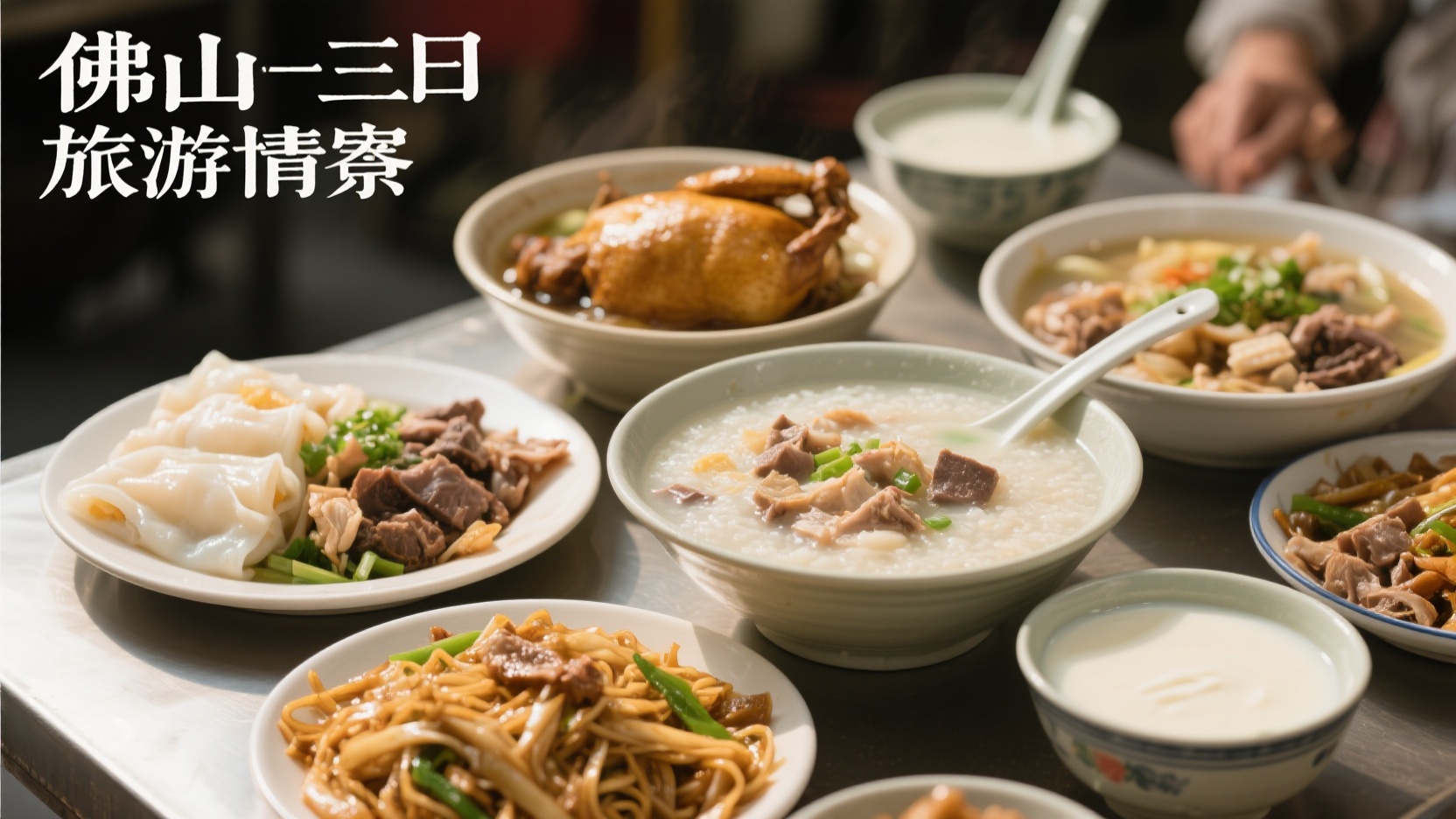
A Foshan resident's day begins with a pot of congee simmering all night at a street corner. Meals here don't need to follow a guide; the flavors locals love are often hidden in breakfast stalls under the arcades, in the old town's charming restaurants, and in the food stalls lit up in the early hours. From dawn till dusk, eight seemingly ordinary dishes string together the city's most authentic culinary experiences.
7:00 AM Congee
The base of Sheng Gun Congee is pre-cooked white porridge that has been boiled until it bursts open. The main ingredients are fresh pork offal, fish slices, beef, or "Jidi" (a type of offal soup). Thinly sliced pork liver, kidneys, and intestines are quickly blanched in the boiling porridge, then sprinkled with ginger shreds, chopped scallions, and white pepper before serving. The porridge base is smooth and creamy, the ingredients are just cooked through, resulting in a tender and crisp texture. The spiciness of the pepper enhances the aroma of the rice and the freshness of the meat. Foshan locals often dip a piece of fried dough stick into the porridge, making it crispy on the outside and soft on the inside, soaking up the porridge's flavor. A bowl of this is truly invigorating.
9:30 AM Stone-ground rice noodle rolls
Stone-ground rice noodle rolls are made with freshly ground rice flour. The rice is slowly ground into a paste with water, a spoonful is spread evenly on a steaming plate, topped with an egg, lean meat, or pork liver, steamed over high heat for a few dozen seconds, then scraped off and drizzled with soy sauce. The rice noodle skin is thin and translucent, smooth and tender, with a distinct rice aroma. The soy sauce is salty and sweet without being overpowering. As a breakfast snack or a quick meal in the office, rice noodle rolls are ubiquitous in the streets and alleys of Foshan, a familiar and quick flavor for locals on weekdays.
Lunch 12:30 Zhu Hou Chicken
Zhuhou Chicken is centered around Foshan's traditional Zhuhou sauce. Zhuhou sauce is made from fermented soybeans, flour, minced garlic, and dried tangerine peel, resulting in a rich and aromatic flavor. Chicken pieces are stir-fried with ginger, garlic, and dried tangerine peel, then the Zhuhou sauce and a small amount of water are added and simmered until the flavors are absorbed. The chicken is tender and juicy, coated in a perfect sauce. The initial taste is savory and slightly salty, followed by a sweet aftertaste and layers of spicy flavors. Zhuhou Chicken is a staple on family dinner tables and a signature dish in street-side restaurants, showcasing the Foshan people's mastery of using sauces to season meat dishes.
Lunch 13:00 Slow-cooked soup
In Foshan, lunch often ends with a bowl of slow-cooked soup. Take, for example, kudzu root, dace, and red bean soup. Kudzu root is cut into chunks and simmered for several hours with dace, red beans, pork bones, and dried tangerine peel. The resulting soup is clear, sweet, and smooth; the kudzu root is soft and powdery, and the aroma of beans and fish infuses the broth, making it flavorful yet not bland. The Cantonese believe in the saying, "One can go without vegetables, but not without soup." A bowl of this soup is not only a way to replenish fluids but also a traditional wisdom for coping with the hot and humid climate of Lingnan.
3:00 PM Double-skin milk pudding
Double-skin milk pudding uses buffalo milk as its base. After boiling, the buffalo milk is poured into a bowl and allowed to settle, forming a skin on the surface. The milk is then poured out and mixed with egg whites and sugar, gently poured back into the bowl, allowing the skin to float. It is then steamed. The top layer of milk skin is sweet and fragrant, while the bottom layer is a tender, white jelly. It has a smooth, delicate texture and a rich milky aroma. A bowl of double-skin milk pudding, enjoyed hot or cold in the afternoon, is a natural dessert choice for Foshan locals when taking a break.
4:00 PM Lunjiao Cake
Lunjiao cake originated in Lunjiao, Shunde, and is now easily found in teahouses and small shops in Foshan. It's mainly made by grinding rice into a paste, adding white sugar and yeast for fermentation, and then steaming it. The steamed cake is white, with a cross-section full of fine air pockets, a chewy yet not sticky texture, and a sweet taste with a hint of fermented sourness. In the past, it was a festive pastry, but now it has gradually become an everyday tea snack, perfect for relieving afternoon drowsiness when paired with a pot of tea.
10 PM Pork offal congee
The pork offal congee at late-night food stalls emphasizes freshness. Pork liver, kidneys, intestines, and heart are thoroughly cleaned, thinly sliced, mixed with ginger and seasonings, and quickly cooked in boiling white congee. Just before serving, goji leaves and pepper are added. The congee soaks up the savory flavor of the offal, which has a crisp and tender texture, while the goji leaves add a slightly bitter aftertaste. For those dining in the early morning, this bowl of congee is a gentle comfort, a welcome respite from the fatigue of Foshan's nightlife.
Stir-fried beef noodles at 11 PM
Stir-fried beef noodles are the litmus test for late-night food stalls. The rice noodles are torn apart beforehand, the beef is sliced and marinated, and bean sprouts and chives are prepared. A wok is heated over high heat; the beef is first stir-fried in oil, then the rice noodles are quickly tossed and added, seasoned with soy sauce and dark soy sauce for color, and finally the bean sprouts and chives are added and stir-fried until just cooked. The rice noodles are dry, fragrant, and oily; the beef is tender; the bean sprouts are crisp; and the dish is full of wok hei (the smoky aroma imparted by a hot wok). A plate of stir-fried beef noodles with this wok hei is often the last main dish for locals before finishing their late-night snack, and also a benchmark for judging the chef's skill with heat.
From a bowl of congee in the morning to a plate of stir-fried beef noodles late at night, Foshan people treat their three meals a day as a leisurely culinary ritual. From the streets to the alleys, you can understand this city through its food in a single day.