
How many days is enough to visit Chongqing? I'll answer the most frequently asked questions.
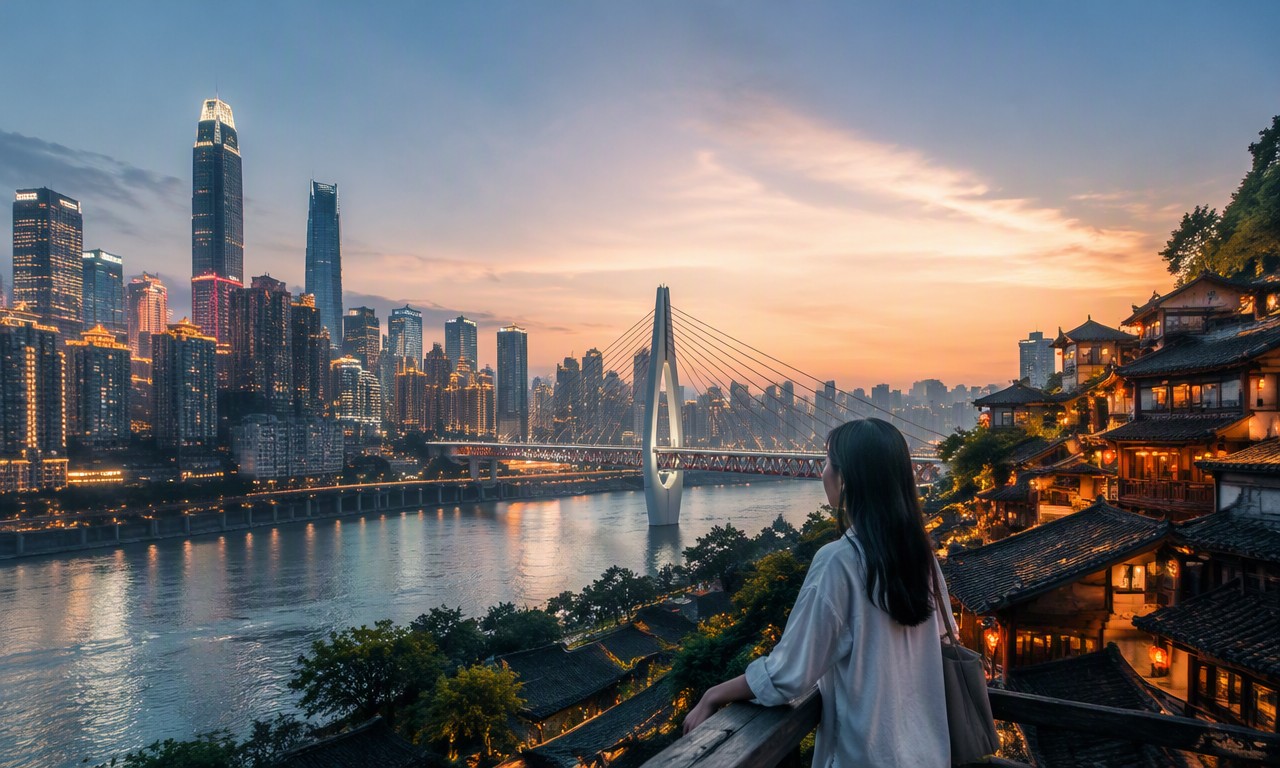
Before setting off for Chongqing, the most common questions that get me stuck aren't "What attractions are there?", but rather a few very practical ones: How many days should I stay? What season is best to go? Will it be inconvenient for a solo traveler? How should I adjust if I'm traveling with elderly people or children? What's my budget? If these questions aren't clarified, no matter how many travel guides I copy, I won't be able to create a suitable itinerary. Below, I'll provide my judgment and reasons for each of the seven most frequently asked questions I've answered from readers.
How many days are enough to visit Chongqing?
Three days and two nights are enough for the main urban area, but adding Wulong or Dazu will require four to five days. The main attractions in Chongqing's main urban area are concentrated in Yuzhong, Nan'an, Shapingba, and Jiulongpo districts, which are easily connected by light rail, eliminating the need for long-distance travel. Three days can cover core experiences such as Jiefangbei, Hongyadong, the Yangtze River Cableway, Ciqikou, Liziba, and the mountain city trails, with an extra night dedicated to hot pot and enjoying the night view.
If you want to visit the Three Natural Bridges of Wulong or the Dazu Rock Carvings, each one-way trip will take half a day to a full day, so you'll need to add 1 to 2 days to your 3-day itinerary. If it's your first time, prioritize spending 3 days in the main city; don't try to do too much. If you have enough time, on the 4th day, you can book a day tour or take an early morning train to Wulong. A day trip is possible but tiring, so I recommend staying overnight.
What season is the best to visit?
The most comfortable months are March to May and October to November. July and August are too hot, while December to February are damp and cold, but good for viewing fog. Chongqing is known as one of China's "furnace cities," with high temperatures and humidity in summer, making outdoor hiking very physically demanding, and many trails unusable at midday. Spring and autumn offer pleasant temperatures, making it easy to enjoy the river views and the city's alleyways without feeling overwhelmed.
While winter isn't freezing, it's often rainy and foggy, making it perfect for those who love the mystical atmosphere of a mountain city. Plus, there are fewer tourists and no queues at hot pot restaurants. If you hate the heat, avoid July and August; for clear night views, choose spring or autumn; to experience the foggy city atmosphere and tolerate the damp chill, come from December to January—remember to bring non-slip shoes.
Is it safe for someone to go alone?
It's safe, but be aware of the terrain and areas where you can walk alone at night. Chongqing is a typical cluster-style city; the core area has high pedestrian traffic and good surveillance coverage, so it's perfectly fine for someone to wander around alone during the day. The thing to be careful about isn't the security, but the terrain—many walkways are steep, and nighttime lighting is uneven; walking alone in side alleys can easily lead to sprained ankles or getting lost.
The Hongyadong and Jiefangbei areas are crowded and therefore safe at night; however, it is not recommended to walk alone in some old communities and riverside walkways on the south bank late at night. Choose accommodations along Jiefangbei, Guanyinqiao, and Nanbin Road, and avoid staying in unlicensed guesthouses converted from old residential buildings just to save money; try to stay on main roads at night and use reputable taxi platforms.
Is it suitable to bring elderly people and children?
It's suitable, but the "climbing" should be replaced with "elevator + cable car + ferry". Chongqing's terrain is not friendly to the elderly with mobility issues and young children, and many popular walking trails lack accessible facilities. However, there are many alternatives in the city: the Yangtze River Cableway for river views, the Two Rivers Ferry for leisurely cruises, the Crown Escalator, the Triumph Road Elevator, and the light rail passing through buildings, all of which allow you to experience multi-level transportation without much effort.
Ciqikou is crowded, which can be tiring for the elderly and children. Instead of walking around to see all the sights, plan only one spot each day that requires climbing, interspersed with ferries or cable cars. Choose hotels with elevators and near light rail stations for easy access to your room to rest.
What is the approximate budget?
A 3-day trip in the main city of Chongqing would cost a mid-range amount of several hundred to a little over a thousand yuan per person, excluding major transportation. Daily expenses in Chongqing are relatively affordable for a municipality; a bowl of noodles costs just a few yuan, a hot pot meal costs tens to a hundred yuan per person, light rail fares are low, and many attractions are free or charge very little.
Accommodation is the biggest variable. Hostels or budget chain hotels cost around 100 yuan per night, mid-range river-view rooms cost several hundred yuan, and high-end hotels have no upper limit. If you want to save money, stay in budget chain hotels along the subway line and eat at local restaurants instead of those in tourist areas; if you want a better experience, allocate more of your budget to accommodation and a quality hot pot meal, and keep everything else as usual.
Which area is the most convenient to live in?
For first-time visitors, prioritize staying in Jiefangbei or Guanyinqiao, followed by Nanbin Road. Jiefangbei is the transportation hub, within walking distance of Hongyadong, the Yangtze River Cableway, and Bayi Food Street, and also offers the most convenient light rail transfer. Guanyinqiao is more localized, with concentrated dining, shopping, and dining options, suitable for those who don't want to feel too touristy. Nanbin Road offers excellent night views, but crossing the bridge to the other side requires taking a taxi or bus.
Choose Jiefangbei if you're traveling with elderly people or children; Guanyinqiao is a good choice if you prioritize dining; and Nanbin Road offers a quiet river view, but be prepared for traffic congestion. Don't live too far out; Chongqing has a multi-center layout, and commuting to a remote area will be very tiring and time-consuming.
What are some good gift ideas that are unlikely to be a mistake?
Avoid buying "Chen Mahua" gift boxes made fresh at tourist attractions; prioritize brands available in local supermarkets. Many freshly fried mahua in Ciqikou have similar packaging, mediocre taste, and inflated prices. Locals often choose Jiangjin rice candy, Hechuan peach slices, Fuling pickled mustard tuber, and spicy broad beans as gifts; these are available in large supermarkets, have consistent quality, and are reasonably priced.
If you're buying hot pot base, choose a packaged brand with proper production qualifications; don't buy it in bulk. Before you leave, do your shopping at a supermarket in Jiefangbei or Guanyinqiao, buying small packages with multiple flavors—easy to carry and allowing the recipients to try different things.