
Is it worth making a special trip to Chongqing for cultural and artistic activities?
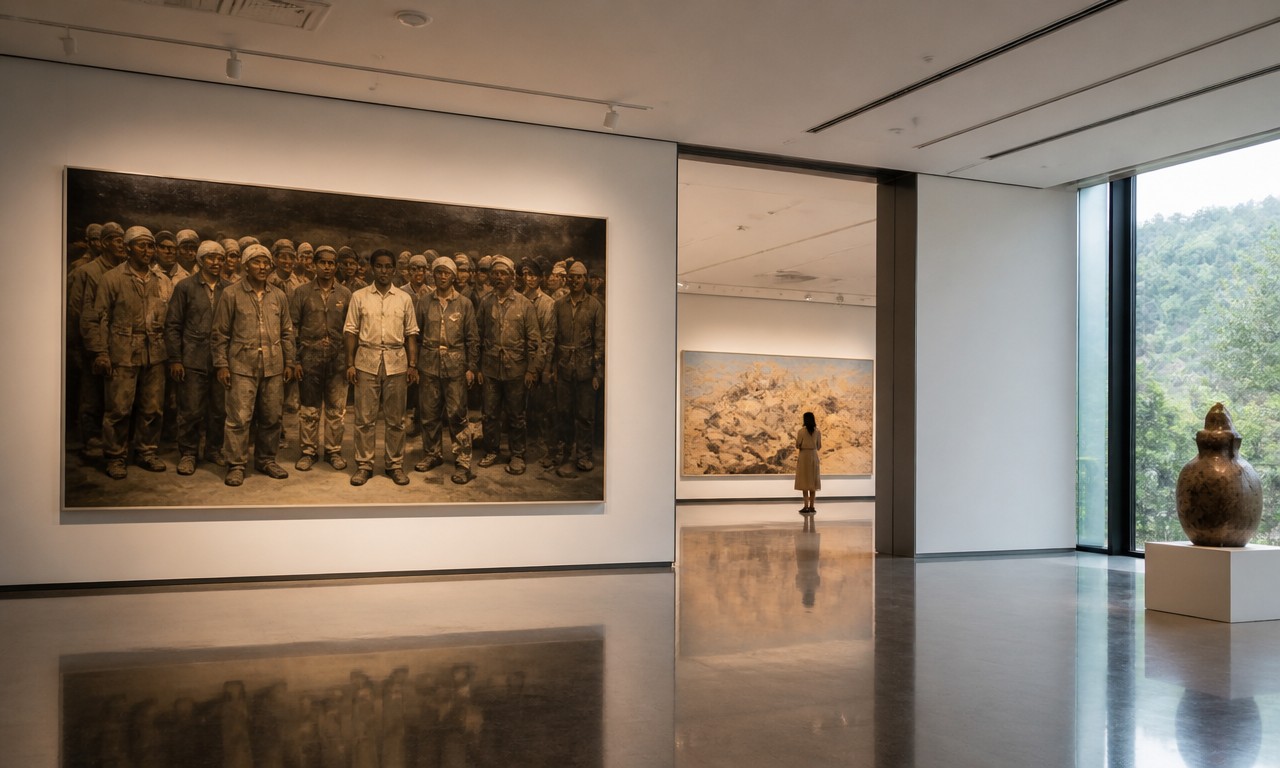
Many readers ask about cultural and artistic tours in Chongqing, and the core question boils down to one thing: Is it really worth setting aside one or two days specifically for exhibitions and museums in this city? This question deserves a serious answer because most people associate Chongqing with hot pot, Hongyadong, and the light rail passing through buildings; it seems few people consider "culture and art" as a reason to visit. But the more this is the case, the more important it is to clearly explain in advance what's worth seeing, what might disappoint, and how to plan your trip to avoid wasting time and energy.
Is a cultural and artistic tour of Chongqing really worth making a special trip for?
To put it bluntly: from a national perspective, flying to Chongqing specifically to see cultural and artistic attractions isn't as cost-effective as going to Beijing, Shanghai, or Xi'an. However, if you were already planning a trip to Chongqing, or are particularly interested in contemporary art in Southwest China, the Three Gorges migrant culture, or the transformation of industrial heritage, then setting aside a full day to a day and a half to visit cultural and artistic sites is definitely worthwhile.
The reason lies in Chongqing's uniqueness: it lacks top-tier, comprehensive museums, but it boasts irreplaceable regional centers like the Three Gorges Museum, the contemporary art heritage of the Sichuan Fine Arts Institute behind the Luo Zhongli Art Museum, the industrial museum transformed from the former Chongqing Iron and Steel Plant, and the spontaneously growing street art ecosystem of Huangjueping Graffiti Street. These elements combined create a unique "cultural scene of a mountainous industrial city" that other cities cannot offer. A practical approach is to not make culture and art the sole focus, but rather integrate it into your regular travel itinerary, allocating one or two days—you won't regret it.
If you can only choose two or three pavilions, which ones are must-sees?
The Chongqing China Three Gorges Museum is the top choice. Located opposite the People's Auditorium in Yuzhong District, it's free, large in scale, and covers Bayu culture, Three Gorges history, anti-Japanese war relics, and immigrant history. It's the best entry point for quickly gaining an understanding of Chongqing. A thorough visit will take two to three hours, but the exhibition logic is clear and won't leave you feeling tired.
The second option is the Luo Zhongli Art Museum. Located on the Huxi Campus of the Sichuan Fine Arts Institute, the building itself is a work of art, with its facade paved with broken ceramic tiles, making it suitable for taking photos, but not just for photography. The museum's exhibitions mainly focus on contemporary art, and the quality is supported by the academic foundation of the Sichuan Fine Arts Institute. It's free but requires reservations. The third option is the Chongqing Industrial Museum, located at the former site of Chongqing Iron and Steel in Dadukou District. The old factory buildings and blast furnaces have been preserved, telling the story of Chongqing's origins as an industrial city. If you're not into contemporary art, you can replace the third option with the Huguang Guild Hall, a group of guild halls built for immigrants during the Qing Dynasty. It features a stage and ancient architectural details, offering a very different atmosphere from typical tourist hotspots.
Will my child not understand the cultural and artistic works when I take them to see them?
It depends on the age group. For children in elementary school and above, the Three Gorges Museum is a good option, as it features natural specimens, folk scenes, and artifacts from the War of Resistance Against Japan, and it's not just purely didactic. The Huguang Guild Hall, with its guided tour, allows children to understand the story of "Huguang Filling Sichuan," which is much better than being crammed into the crowds at Hongyadong. The contemporary art at the Luo Zhongli Art Museum is somewhat abstract for younger children, but the architecture and the sculptures and graffiti on the Sichuan Fine Arts Institute campus can be enjoyed like a park for them.
For kindergarten children, the Chongqing Natural History Museum is highly recommended. Although it leans towards natural science, the dinosaur hall and animal specimens are extremely attractive to young children. The key is not to have a narrow understanding of "culture and art." Children seeing ancient architecture, industrial machinery, and graffiti all contribute to their local cultural exposure. It's advisable to bring a small sketchbook so children can draw what they see, such as the stage or blast furnace; this will create more lasting memories than taking photos.
How long do you usually need to visit these venues? How many can you visit in a day?
Based on my actual pace: 2.5 to 3 hours for the Three Gorges Museum, 1.5 to 2 hours for the Luo Zhongli Art Museum, 1.5 to 2 hours for the Industrial Museum, 1 hour for the Huguang Guild Hall, and 0.5 to 1 hour for the Chongqing Art Museum. I can only schedule a maximum of two large museums and one small attraction per day; any more would be rushing between events.
A possible itinerary is: visit the Three Gorges Museum in the morning, have lunch nearby, then take the subway to Shapingba to see the Luo Zhongli Art Museum in the afternoon. In the evening, return to Jiefangbei to see the exterior of the Chongqing Art Museum and the night view of Hongyadong. This route avoids detours. The Industrial Museum is in Dadukou, in a less central location, so it's best to allocate half a day for it; otherwise, the round trip will be exhausting. The Huguang Guild Hall can be combined with Chaotianmen and Baixiangju in one afternoon.
Which days are they closed? Will I make a wasted trip?
Most cultural and artistic venues are closed on Mondays, including the Chongqing China Three Gorges Museum, Chongqing Art Museum, Luo Zhongli Art Museum, Chongqing Industrial Museum, Chongqing Natural History Museum, and Huguang Guild Hall. They are generally open on public holidays, but this may be subject to temporary adjustments.
Therefore, schedule cultural and artistic activities from Tuesday to Sunday, and arrange experiences on Monday that do not involve venues that are closed, such as the Mountain City Trail, the Yangtze River Cableway, a walk along Nanbin Road, and watching the light rail pass through a building in Liziba. Be sure to confirm the opening hours for the week on the official WeChat account or mini-program a week in advance, as some venues in Chongqing may be temporarily closed for exhibitions, so don't just rely on old guides.
Which area is the most convenient for connecting these cultural and artistic sites?
The top choice is Yuzhong District, especially the Lianglukou, Daping, and Jiaochangkou areas. The Three Gorges Museum, Huguang Guild Hall, and Chongqing Art Museum are all located in Yuzhong. Metro Line 1 provides direct access to Shapingba District for the Luo Zhongli Art Museum, and Line 2 allows for easy transfers to the Dadukou Industrial Museum. Staying in Yuzhong also allows for evening walks to see the Great Hall of the People and the old buildings along Zhongshan Fourth Road.
The next best option is near the University Town in Shapingba. If your main focus is the Luo Zhongli Art Museum and the Sichuan Fine Arts Institute, it's a comfortable place to stay, and it's about a 40-minute subway ride from the Three Gorges Museum. I don't recommend staying in Beibei. Although the Natural History Museum is there, it's too far from the main city's cultural and art district, taking at least two hours round trip, which will waste a whole day on the road.
What's the best season to visit? Do I need to make a reservation in advance?
Seasonally, March to May and September to November are the most comfortable months. Chongqing summers are scorching hot; although indoor venues are well-air-conditioned, the outdoor sections are uncomfortable due to the need to walk and transfer between venues. Winters are damp, cold, and foggy, making the experience even worse in older buildings. Overcast days in spring and autumn are actually the best for visiting exhibitions and strolling around the city.
Reservations deserve special mention: The Three Gorges Museum and Natural History Museum are free, but it's recommended to book in advance through the official platform for weekends and holidays, as there may not be enough seats on-site; the Luo Zhongli Art Museum is free, but reservations or scanning a QR code on-site are required, and there may be queues during peak hours; the Industrial Museum is free, and on-site registration is available; the Huguang Guild Hall charges an entrance fee, but it's not expensive. It's advisable to check all official channels before you go and save a screenshot of the reservation code, which is much more convenient than trying to do so at the entrance.