
Forget the Puppet Emperor's Palace | Local's First-Hand Experience: Explore Changchun Without Buying a Ticket, Don't Be Fooled by Travel Guides
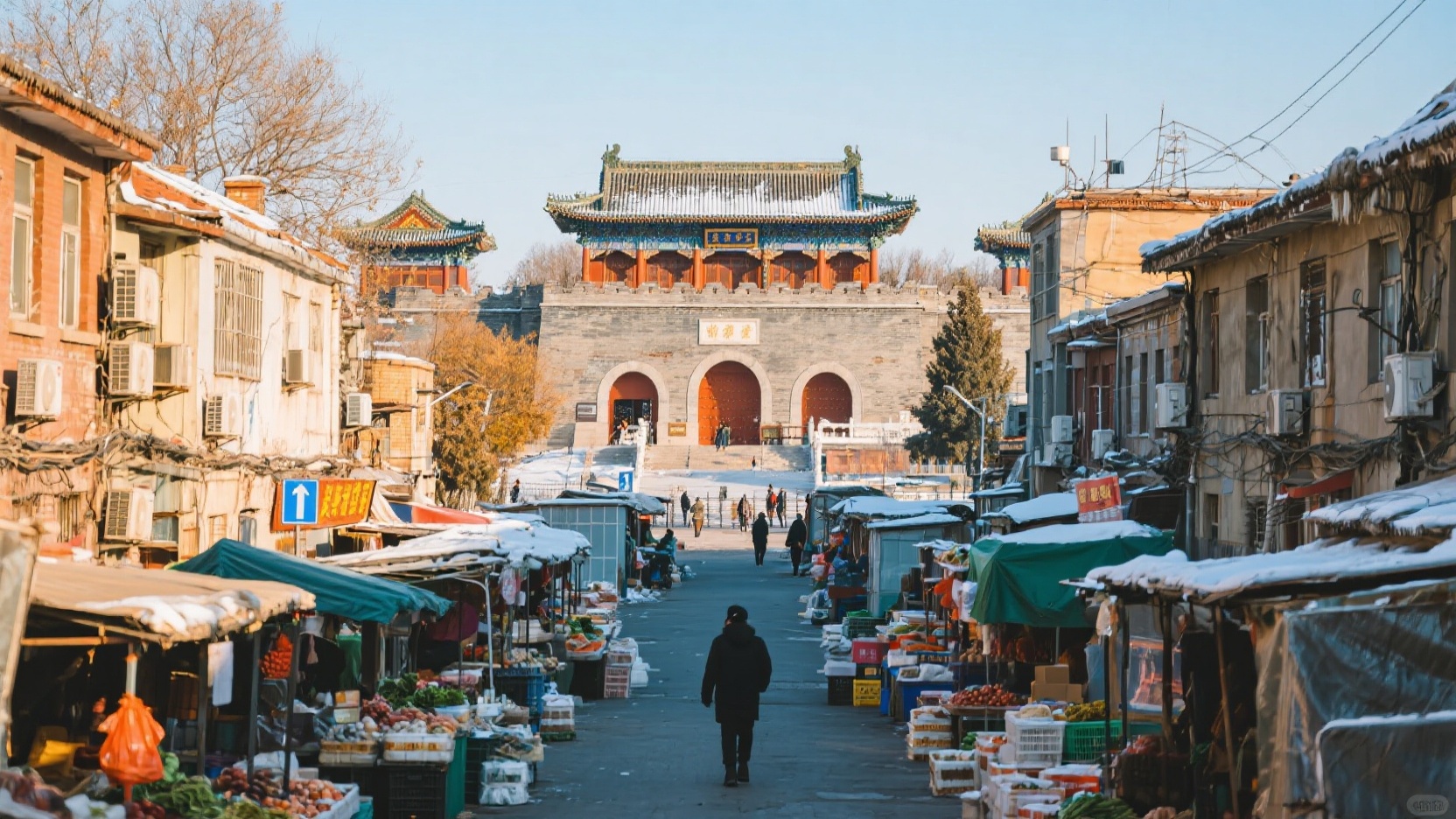
Whenever a friend asks me to show Changchun around, my first words are always: "Cross the Puppet Emperor's Palace and Jingyuetan Park off your list." It's not that they're bad, but once you buy tickets and wait in line, it's easy to get caught up in the "tourist attraction" feeling and miss the truly interesting aspects of Changchun.
Having walked through this city for so many years, I prefer to divide Changchun into four free sections: the farmers' market, the area around the university, the old industrial redevelopment zone, and the old city alleyways. You don't need to pay an entrance fee; all you need is a pair of legs willing to walk.
The following itinerary doesn't focus on a large number of sightseeing spots; it relies entirely on public transportation, light rail, trams, and walking, with a different theme each day. It may not suit everyone, but if you want to avoid the "guidebook" feel, you'll love it.
Day 1 | Community Market Day: The more bustling Guilin Road is, the more you should venture into the back alleys.
Guilin Road, the main street, is never part of the locals' daily life; the long queues at the food stalls are mostly for students and tourists. Only after leaving the main street by two intersections and turning into Yongchang Market or the morning market behind Guilin Road does Changchun's morning truly begin.
The most worthwhile stalls in the market are the pickles and cooked food stalls. The aunties will casually slip you a small piece of sausage to taste. Buy some red sausage, sticky rice cakes, fried cakes, and a bowl of tofu pudding, sit on a plastic stool and finish eating. It won't cost much per person.
The theme of this day wasn't checking off tourist spots, but "smelling the aromas." The mingled scents of sauerkraut jars, freshly ground sesame paste, and smoked meat stalls were more honest than any travel guide. Don't rush to take pictures; slow down first.
Day Two | University Surroundings Day: The "Youth Buffer Zone" Between Northeast Normal University and Jilin University's Nanling Campus
Unlike first-tier cities where universities are often transformed into monotonous commercial streets by capital investment, Changchun's university areas still retain a strong "student buffer zone" between the main campus of Northeast Normal University and the Nanling campus of Jilin University. Small restaurants, secondhand bookstores, and postgraduate entrance exam study rooms are mixed together, making it easy to while away an afternoon.
Walking from Ziyou Road towards Tongzhi Street, you'll pass many small restaurants that have been open for over a decade, with menus posted on the walls, packed with students during mealtimes. If you're looking for Northeastern Chinese cuisine, just head to the restaurants that are full of students; the portions are so large that even ordering two dishes might not be enough for one person, and the average cost per person is only a few dozen yuan.
Taking a stroll around the Nanling campus in the evening, with young people and older teachers walking together under the streetlights, offers a sense of relaxation that paid tourist attractions can't provide. If you're alone, you can find a small shop along the street, buy a cup of soy milk or yogurt, and sit on the steps for a long time.
Day 3 | Old Industrial Area Renovation Day: FAW Old Residential Area and Water Culture Ecological Park
Changchun's foundation is industry, not the palaces of the Manchukuo regime. The old residential area of FAW still retains a large number of Soviet-style houses, with red brick walls, thick window sills, and square blocks. It has no touristy feel at all, but it is more authentic for taking photos than many cultural and creative parks.
The area around FAW's No. 1 gate is only for viewing from the outside; don't force your way into the factory area. The only place you can actually go is the nearby old residential area. Elderly people sunbathing downstairs might chat with you, and if you're lucky, you might even see an old-fashioned bicycle shed. There's no entrance fee; just respect the daily lives of the locals.
In the afternoon, I went to the Changchun Water Culture Ecological Park, which is a converted old water purification plant and is open to the public free of charge. The old pools, pipes, and factory buildings have been preserved, the vegetation is wild, and there weren't many people. When I got tired, I sat on the bench under the old chimney, which was much more comfortable than going to the paid cultural and creative parks.
Day 4 | Old Town Alleyway Day: No ticket required for the "Eight Ministries of Manchukuo" on Xinmin Street.
I don't recommend paying to enter the Puppet Emperor's Palace. It's not that it's worthless, but rather that Changchun's true "old" history is scattered along both sides of Xinmin Street. Most of the old buildings of the eight former Manchukuo ministries are still in use; you can only view them from across the street. No tickets are required, and no one will rush you.
Walking north from Xinmin Square to Cultural Square, you pass old government buildings, old schools, and old hospitals, a mix of architectural styles that resemble an open-air history textbook. The atmosphere is completely different after a snowfall in winter and under the shade of trees in summer, but both are perfect for a leisurely stroll.
When you get tired, turn into the nearby old streets. Places like Dongzhonghua Road and Longli Road still retain some old-fashioned shops and courtyards. You'll rarely see them in travel guides because they're too ordinary, but that ordinariness is precisely what makes this route so precious.
A surprising twist: Tram Route 54 uses public transport as a "mobile observation room."
In Changchun, the most cost-effective and authentic local way to experience the city is by taking the No. 54 tram. It's not a tourist attraction in itself, but for the price of a regular bus, you can travel through the old city, schools, residential areas, and tree-lined streets.
Don't rush to find a seat after boarding; stand near the back door, watch passengers get on and off, and listen to their conversations. Tickets can be purchased with a bus card or by scanning a QR code; there are no extra charges. It's recommended to avoid the morning rush hour; 2 or 3 pm is the most comfortable time.
If you happen to come in winter, the warmth inside the carriage, the fog on the windows, the white snow outside, and the yellow carriage create a longer spring-like atmosphere than many paid snow and ice activities. A full ride and return trip would only cost the price of a cup of milk tea.
In conclusion
First, don't ask locals "Where's fun to go?" Instead, ask "Where do you usually go to buy groceries, take a bath, and eat noodles?" For locals, Changchun isn't on their list of tourist attractions, but rather in their daily routines.
Second, public transportation and rail transit have extensive coverage, but some stations in the old town are quite far apart. If you're traveling alone, prioritize staying near the subway or along bus route 54 to save a lot on taxi fares.
Third, spring and autumn are the best seasons for this ticketless experience; don't worry about winter either, as long as you take precautions against the wind, the old buildings and markets will actually have more charm. Be aware of afternoon thunderstorms in summer.
Fourth, try to avoid going to farmers' markets and areas around universities on weekends when students are leaving school, as the flow of people will suddenly increase, making it difficult to take photos and find a seat.
Fifth, many residents still work in old industrial areas and old city alleys, so please don't point your camera at their windows or workplaces. Free independent travel relies on a sense of boundaries.