
On which day should you buy souvenirs for Changchun? The expiration date is the deciding factor.
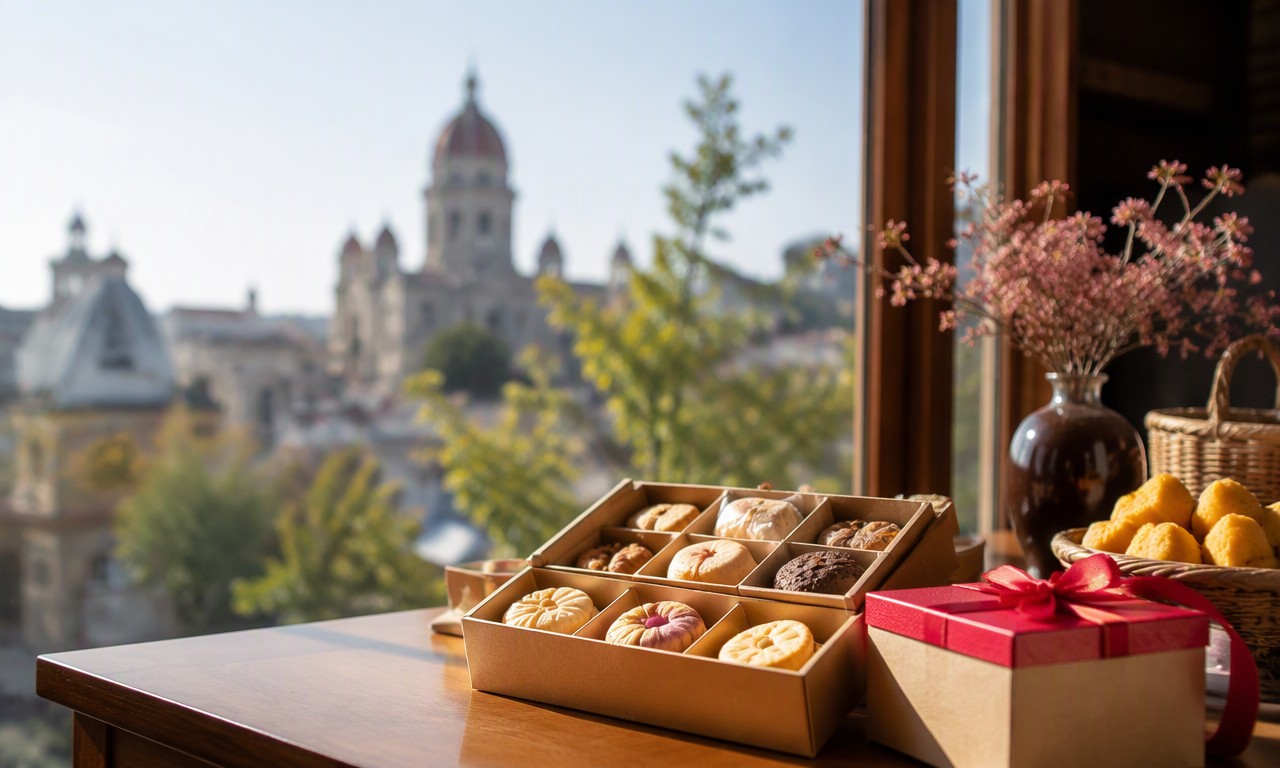
The most frequent question from readers visiting Changchun isn't "What to buy?", but rather "On which day should I buy it?" Buying too early risks spoilage, while buying too late might disrupt their travel plans. This article categorizes Changchun's signature souvenirs into three timeframes: "Before departure," "Mid-trip," and "Return day," along with four shelf-life options: "3 days," "7 days," "30 days," and "Long-term storage." It clearly explains when to buy each type of item and how to store it afterward. After reading this, you can plan your shopping like a local, ensuring nothing is wasted and no favors are lost.
Before departure or on the day of arrival: Buy long-term storage items with "zero shelf-life anxiety" in advance.
On your first day in Changchun, don't rush into the delicatessen. First, get rid of those things that won't spoil for a year or two. Changchun Film Studio commemorative souvenirs, FAW Hongqi or Jiefang truck alloy models—these have absolutely no preservation issues and can be easily packed into the bottom of your suitcase without getting crushed. Dried goods like Changbai Mountain ginseng, Northeast black fungus, hazelnuts, and pine nuts are also long-lasting; as long as they're kept dry, you can store them in an airtight container at home and enjoy them for a long time.
The criteria are simple: these kinds of souvenirs don't take up refrigeration space and won't spoil even if you're shopping for several more days. If you buy them on the first day, you can focus all your energy on "short-shelf-life" items in the following days. If you don't buy them on the first day, going back later just to look for them is a waste of time.
Days 2-3 of the trip: A "buffer period" with a shelf life of 30 days or more.
By the time you reach the middle section, you'll have a basic understanding of local Changchun brands and won't be easily swayed by those shops around the scenic area that "look like local specialties but are actually available everywhere." At this point, you can start buying items with a shelf life of about a month: Dingfeng's truly dry pastries such as Jingbajian (a type of traditional Chinese pastry) and Jiangmi Tiao (a type of glutinous rice cake), Lao Maosheng's candies, Jilin rice in plastic packaging, and Changbai Mountain dried blueberries are all stable and long-lasting options.
Why buy these items midway through your trip instead of before returning home? Because you're likely to pass through areas like South Square and Chongqing Road where many established brands are concentrated, making it a convenient and efficient way to buy them. These items are easy to pack in your suitcase after purchase; just leave them at the hotel and continue with your daily activities for the next few days.
One day before the return trip: "Nearly fresh" items with a shelf life of about 7 days.
The day before your return trip is the best time to buy items with a short shelf life that don't need to be disposed of overnight. Brands like Zhenbutong pickles, Aman red sausage, and Northeastern sauerkraut, especially those vacuum-packed or sealed in jars, should last about seven days under refrigeration. Simply place them in a cool, dark place in your hotel room, pack them up the next day, and you're good to go.
A word of caution: these kinds of souvenirs must be consumed as soon as possible after opening; don't bring them home and let them sit. If you're traveling with a large group, it's recommended to buy small packages and a variety of items so that everyone gets just enough to last one or two days. When buying, tell the shop assistant that you're taking it on a long trip, and they will usually select the most securely sealed packages for you.
On the morning of the return trip: Fresh souvenirs with a shelf life of no more than 3 days.
The morning of your return trip is the last chance to buy fresh cooked food and freshly made pastries. Dingfengzhen's daily baked goods, Lao Chang's braised pork hock, and freshly cooked red sausage are all best consumed within two or three days of arriving home. Buying them in the morning and packing them directly ensures perfect freshness and avoids further hassle.
If you're traveling by high-speed rail or plane, ask the shop to individually seal the cooked food in a bag, and then put it in an outer leak-proof bag. Don't buy too much fresh pastry; just buy a few kinds that your family can eat right away. The staff at long-established local shops in Changchun are very experienced in "taking you on long journeys," and they'll be more considerate than you think if you just ask.
On the afternoon of the return trip or on the way to the station: only touch things that do not require temperature control.
This is the time when impulse purchases are most likely to occur. Souvenir shops near the station will prominently display items with short shelf lives, creating a sense of urgency with the "last chance" tagline. My advice is clear: if you want to buy something before going to the station, only buy dried fruit, candy, or bagged tea—items that don't require temperature control.
The basis for this judgment is that waiting times at Changchun Railway Station and Airport are typically between half an hour and an hour. During this time, refrigerated foods are exposed to room temperature, which is especially prone to problems in summer. Don't let last-minute shopping ruin the careful selections of the previous days. For short-shelf-life items, if you've already bought what you needed in the morning, resisting the urge to buy now is a win-win situation.
After arriving home: Arrange the time in the order of "3 days first, then 7 days, and finally long-term stay".
The first thing I do when I get home isn't taking photos and posting them on social media, but sorting the gifts into categories. The batch with a 3-day shelf life is given to family and neighbors or eaten by myself immediately; the 7-day shelf life is refrigerated, and I remind each recipient to eat them as soon as possible; the 30-day and long-term shelf life gifts can be distributed gradually, or kept at home as snacks for guests.
In Changchun, the custom for giving gifts is to "first give cooked food, then pastries, and finally dried goods." Cooked food is considered most presentable while still hot, pastries are suitable to bring the next day, and dried goods are the safest option. This order is not only about freshness but also about the importance of goodwill. Giving gifts in this order ensures the recipient receives the best possible experience, and your good intentions are never diminished.