
Sanya's Non-Trendy Restaurants: 8 Locally Recommended Restaurants I Only Dare to Write About (Avoid the Pitfalls)
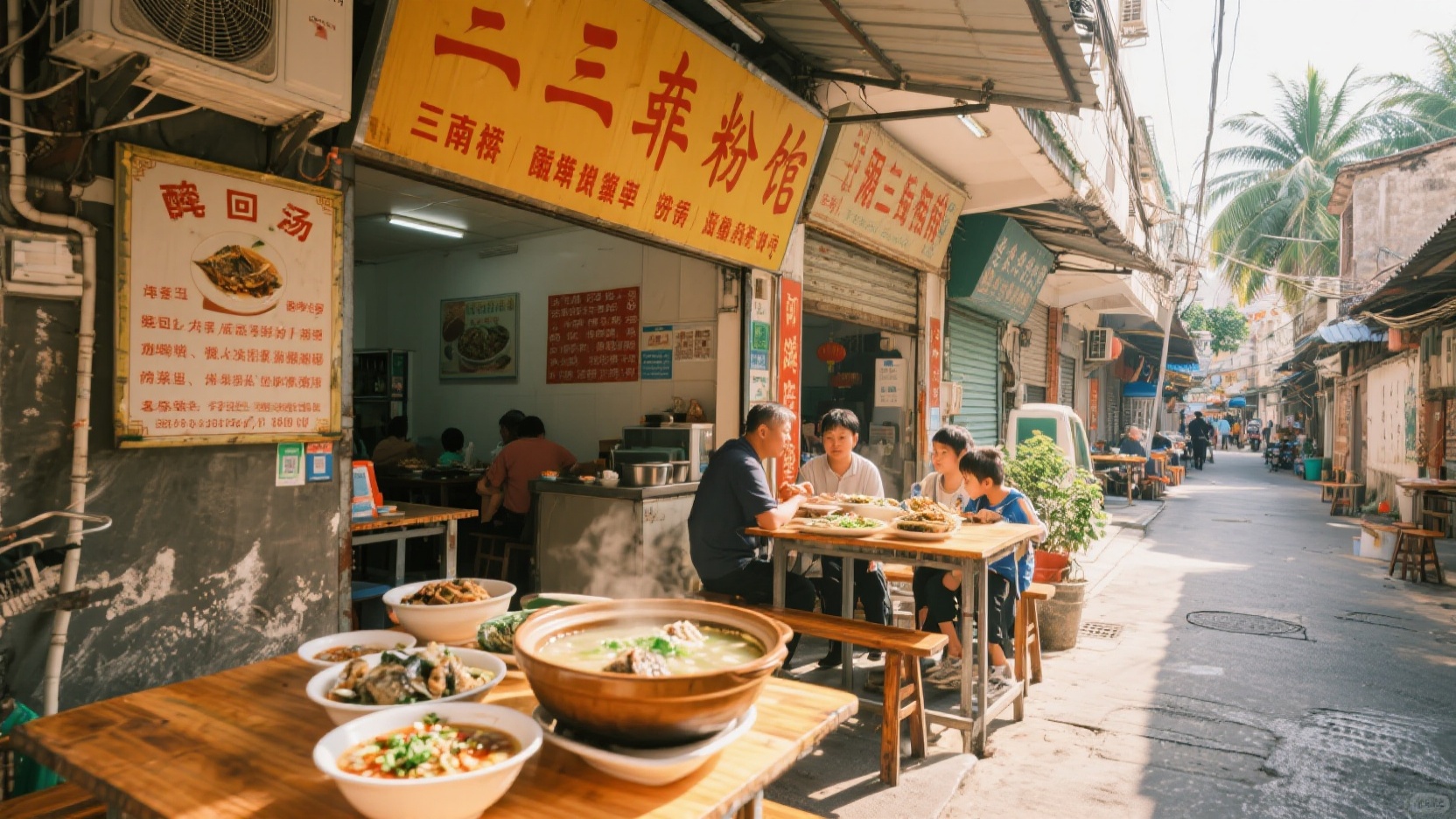
After three trips to Sanya, I blacklisted almost all the "must-eat lists" that flooded social media feeds, not because the food was bad, but because they were too far removed from the actual daily meals of locals. The first time, I followed the navigation and ended up at three restaurants with long queues, feeling utterly hopeless. The second time, I asked taxi drivers and market vendors for directions, only to discover that Sanya's hidden culinary gems weren't located around the tourist areas at all. The third time, I specifically stayed in the old town area of Shengli Road, riding my electric scooter through the alleys every day, before finally finding these eight small shops that don't do marketing and aren't on any lists.
This list is more suitable for those who aren't rushing to see tourist attractions and are willing to walk a little further for a bowl of rice noodle soup or a pot of mixed fish stew. The shops are unassuming, some don't even have proper signs, but friends from Haikou, Lingshui, and Ledong will say, "You've finally gotten close to Sanya," when they hear I'm going there. The list is divided by region for your convenience.
The old town's morning and lunch markets: rice noodle soup, braised pork trotters with rice, and a bowl of "divine porridge".
The first stall is a rice noodle soup stand in the back alley of the old bus station on Shengli Road, which locals call "Grandpa's Rice Noodles." It doesn't have a fixed name, opens at 5:30 AM, and usually closes by 10:00 AM. Why is it worth going? The soup base is made with pork bones and dried scallop scraps, without MSG, giving it a subtle sweet aftertaste. The signature order: order a bowl of "Gangmen Rice Noodles with Egg and Pickled Cabbage." The thin rice noodles are smooth, and the fish cake slices are generous. Remember to drink the original soup first, then add a couple of drops of yellow lantern chili oil; don't stir it as soon as it arrives.
The second shop is on Jianshe Street in the same area, a place that only serves braised pork trotter rice for lunch. The owner is from Wanning, and the braising pot is set up right at the door; you can smell the aroma of fermented bean curd and fried garlic as you pass by. The signature dish isn't just pork trotters, but "half-fat and half-lean pork trotters with beef brisket," topped with a spoonful of braising sauce over chicken oil rice and served with pickled water spinach. What else can you buy nearby? The old lady at the alley entrance sells coconut glutinous rice balls; I recommend buying a couple before your meal, as they're usually sold out by 12:30 pm.
Back in Xincun and Yanglan: Sour fish soup and beef bone stew are the locals' "must-try" strong-flavor dishes.
The third place is located in the middle of the main road in Huixin Community, a "Sour Fish Soup Courtyard" without neon lights. Tourists hardly know about it, but after 7 pm, the courtyard is full of local Hui families. Why is it worth going? It's cooked with fresh small sea fish, sour star fruit, and sour plum beans, resulting in a layered sourness that's fresh without being fishy. The recommended order: ask the owner for a "mixed fish platter," instead of ordering a single expensive fish; the mixed fish is the most tender. Also, add a side of sweet potato leaves, stir-fried with shrimp paste.
The fourth shop is also near the sheep pen, a long-established neighborhood restaurant serving beef bone broth. The ambiance is just folding tables and plastic stools, but the beef bone broth is simmered until it's milky white, and you can even suck out the marrow with a straw. Their signature dish is "Oxtail and Beef Brisket Stew," where you first gnaw on the bones, then add white radish, and finally cook a packet of Yi noodles in the broth. What else can you buy nearby? Across the alley, there's a shop selling salted lemonade—salty, sweet, and slightly astringent, perfect for cutting through the richness of the broth.
Tanka fishing port: mixed fish stew, shrimp paste sweet potato leaves and freshly shucked sea urchin
The fifth restaurant, located near the Tanka fishing raft pier, isn't a floating restaurant; it's a small canteen converted from the fishermen's own kitchen on land. Tell the owner in advance how many people you'll be, and he'll prepare a mixed fish stew based on the day's catch. Why is it worth going? The fish are caught directly from the fishing boats in the afternoon, and the variety changes daily—today it might be small grouper, tomorrow it might be fine-scaled fish. The signature order: When the mixed fish stew arrives, don't rush to eat the fish. Use a spoon to scoop some broth and mix it with rice, then pick out the belly part. Add a side of freshly opened sea urchin steamed egg; the sweetness and freshness are significantly better than at tourist stalls.
What else can you buy along the way? There are aunties selling pickled fruit by the pier, like green mangoes dipped in chili salt and guavas dipped in salt. Buy a small bag and eat it as you walk along the breakwater. Be careful not to buy fruit that's already been cut for too long; watch them cut it fresh.
Yazhou and Tengqiao: Worth a special trip for a single dish
The sixth shop is located in the old town of Yazhou, serving "Braised Fish with Flat Bean Sauce." This dish is becoming increasingly rare in Sanya city, but it's a staple for locals in Yazhou. Even the shop's name is casual: "Yazhou Flat Bean Sauce." Why is it worth a visit? The flat bean sauce is homemade, salty and slightly sour, perfect for braising small sea fish or pork belly with rice. The signature order: order a plate of braised fish with flat bean sauce and a bowl of sweet potato porridge; mixing the porridge with the fish sauce is a local way of eating it.
The seventh stall is the pork rib stall in Tengqiao. Tengqiao pork ribs are quite famous, but locals don't go to the large, upscale shops; instead, they frequent the small oil fryers set up near the farmers' market in the evenings. The ribs are marinated before frying, with a garlicky and caramelized exterior. The recommended order is by weight, asking for "more with cartilage," and a sprinkle of local green tangerine juice after frying. What else can you buy nearby? The barley cakes at the next stall, filled with coconut and peanut filling, are best eaten freshly steamed.
Sweet soup and fried food: a way to end a meal in an alleyway, unrelated to the surrounding environment.
The eighth shop is located on the ground floor of an old residential building in Sanya's old town. It sells "Coconut Milk Dessert + Fried Skewers Platter". It's not one of those fancy dessert shops; it only opens at noon, and there are still people wearing flip-flops coming to get takeout at 1 a.m. The signature order is: for the dessert, don't add too many toppings—just choose mung beans, macaroni, winter melon, barley, and coconut meat, and ask the owner to add two extra spoonfuls of coconut milk shaved ice; for the fried skewers, be sure to order water spinach and taro slices, brushed with a sweet and savory sauce.
What else can you buy along the way? Salt-baked quail eggs and roasted sugarcane from the same row of shops are especially suitable for winter evenings. After finishing your fried skewers, nibble on half a roasted sugarcane; the hot, sweet juice makes it not greasy at all.
Blogger's summary: How to eat more smoothly and avoid 3 pitfalls
These eight shops lack a unified style, the environment is mostly average, and parking is not very convenient. However, it is precisely this roughness that "does not cater to tourists" that preserves another layer of Sanya's charm. If you are short on time, prioritize three shops: Old Town Rice Noodle Soup, Huixin Village Sour Fish Soup, and Danjia Mixed Fish Pot. These will basically cover the three most authentic local flavors of Sanya.
Three tips to avoid pitfalls: First, don't go during peak meal times, especially for morning noodle soup and Huixincun sour soup. Arrive half an hour early or go a little later to avoid waiting and prevent taxi drivers from taking you astray. Second, don't just order the signature dishes. Each restaurant has hidden accompaniments, such as adding pickled cabbage to noodle soup, drizzling sauce over mixed fish soup, or adding noodles to beef bone soup. Third, remember to bring cash. Some old shops and stalls only accept cash. When asking for directions, don't just rely on navigation. Asking "Auntie, which stall is good?" is more helpful than reading reviews.