
Eat right during the seasons in Changchun | These 8 things are a must-try, or you'll have to wait another year!
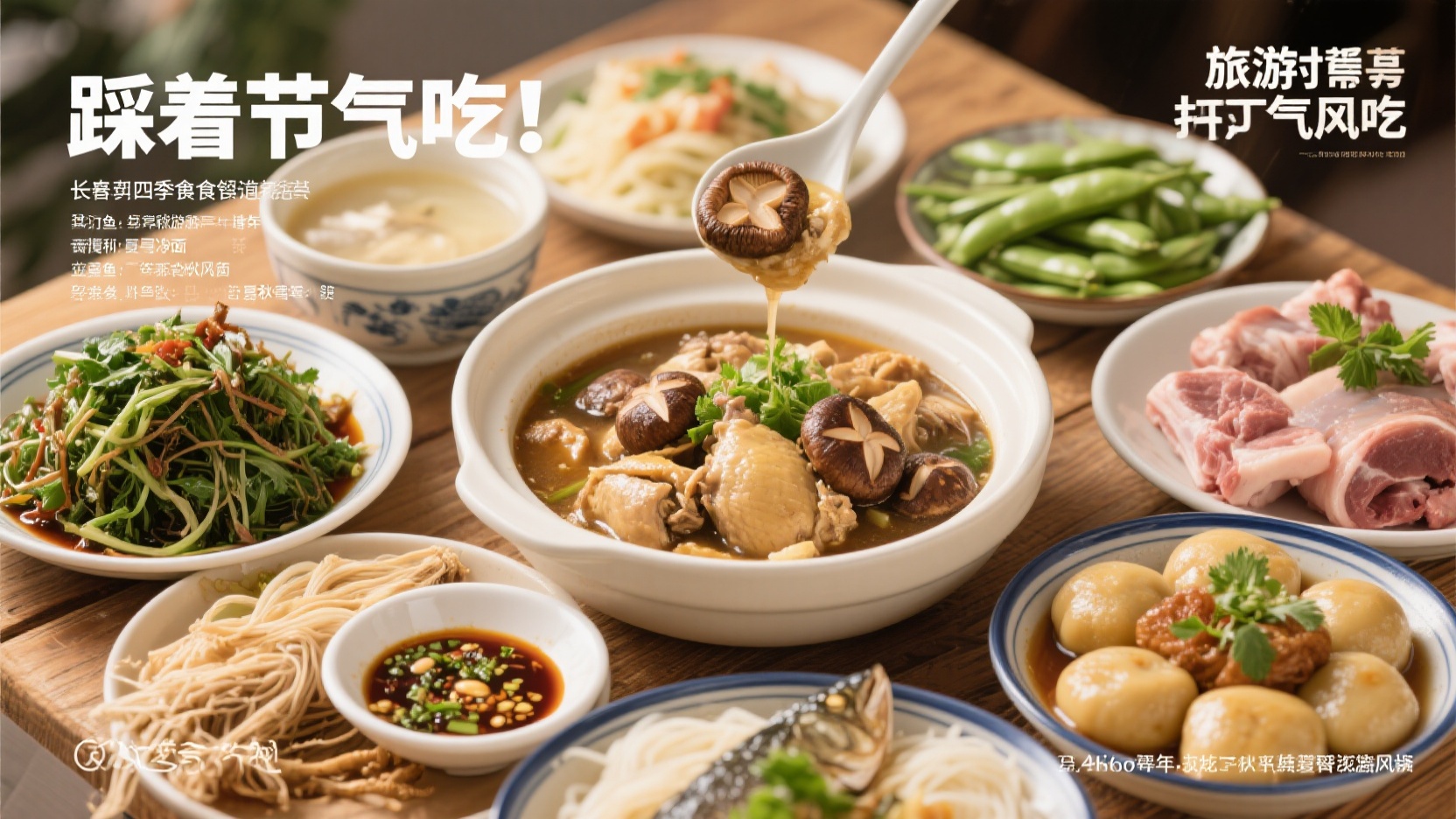
Having traveled to Changchun for five consecutive winters and summers, the biggest pitfall I encountered wasn't going to the wrong restaurant, but rather ordering "from the menu." One July, I treated a friend to a "pig-killing feast," and the owner laughed, saying, "That's for the twelfth lunar month; who's going to slaughter a pig for you now?" In the spring, I wanted to buy frozen pears, and the fruit stall owner replied, "Young lady, you'll have to wait until they freeze." Later, I realized that Changchun's real menu wasn't the one hanging on the wall, but rather printed on a calendar of the seasons. This article will clarify the "seasonal limited-time" eating methods that I've personally tested, categorized by the four seasons.
Springtime around Grain Rain: The Golden Two Weeks for River Fish and Wild Vegetables
Spring in Changchun is short, but its brevity is explosive. Every year from Qingming to Guyu, once the Songhua River and Shitoukoumen Reservoir thaw, locals crave the "first-harvest fish." After a winter of freezing, the fish's earthy taste is greatly diminished, and the flesh is so firm that it doesn't tremble when picked up with chopsticks. The most delicious dishes are braised bighead carp in soy sauce or stewed whitefish. Old Changchun residents emphasize "not frying the fish, not boiling the soup," simmering the broth over low heat until it turns white, adding only a little salt and chopped green onions, enjoying the pure flavor of the river water.
Almost simultaneously with the start of the river fishing season, wild mountain vegetables begin to sprout after Grain Rain. On the hillsides near Changchun, tender shoots of Aralia elata, Acanthopanax senticosus, and dandelion grow rapidly. These vegetables are only good during their window of opportunity; once the temperature rises above 25 degrees Celsius, the fibers become coarser and the bitterness intensifies, and no one serves them anymore. The local way of eating them isn't stir-frying, but rather washing them and dipping them raw in egg sauce, or wrapping blanched wild vegetables in rice, mixing them with sauce and scallions, and rolling them in lettuce leaves—crisp with a hint of bitterness, followed by a sweet aftertaste. The first time you try dandelion dipped in sauce, you might be overwhelmed by the bitterness, but locals will tell you, "What kind of spring is it if it's not bitter?"
Summer – From the start of the hottest period of summer to the summer solstice: Cold noodles and ginseng chicken soup – a perfect blend of hot and cold.
Many people think that Northeast China only eats barbecue in the summer, but people from Changchun would laugh at you for only knowing half the story. Those who truly know their stuff will seek out a bowl of chilled Korean-style soy milk noodles after the summer solstice. Freshly ground soybean milk replaces the traditional beef broth, the noodles are buckwheat, the broth is so thick it clings to the bowl, and it's topped with cucumber strips, a boiled egg, and two slices of pear. There's a proper way to eat it: don't stir it at first; take a sip of the original broth to savor the soybean aroma; then add vinegar and yellow mustard, loosen the noodles, and eat a bite of noodles followed by a bite of kimchi. This bowl of noodles is only available in hot weather; once the weather cools down, many shops stop serving it.
In contrast to the cold noodles, there's the ginseng chicken soup that arrives after the start of the hottest period of summer. From the beginning of this period, the Korean restaurants in Changchun are filled with the aroma of ginseng and glutinous rice. A whole young chicken is stuffed with glutinous rice, red dates, chestnuts, and a piece of ginseng, then stewed in a stone pot until the meat falls off the bone easily with chopsticks. Locals don't rush to drink the soup; instead, they first remove the chicken pieces and dip them in salt and pepper. Once they've eaten most of the meat, they mix the rice, glutinous rice, and soup together. Drinking hot soup in summer might seem counterintuitive, but it's actually about "fighting heat with heat." After drinking it, you'll break a light sweat, which is much more comfortable than being in air conditioning.
Autumn – From White Dew to Frost's Descent: A Window of Opportunity for Fresh Mountain Products and Green Beans
Autumn in Changchun has a rich flavor. Every year after the White Dew solar term, mushrooms sprout after the rains, and hazel mushrooms begin to emerge in patches in the low-lying woodlands surrounding Changchun. Locals don't buy fresh hazel mushrooms; they must be dried until they darken in color and concentrate their aroma before being used to make "Hazel Mushroom Stewed with Free-Range Chicken." This dish emphasizes the order of the ingredients: mushrooms are the main ingredient, and chicken is the supporting role. The free-range chicken is freshly killed and chopped into pieces, and the dried hazel mushrooms are soaked in advance. The soaking water is not discarded but drained and added to the pot together. Stewed until the chicken meat is tender and the broth is a deep reddish-brown, locals will pour the broth over rice, saying, "This bowl of rice soup is only available in autumn."
Also a seasonal autumn dish is Changchun's local green beans. These green beans are at their fattest in autumn, with plump beans and glossy pods. When stewed, they become sandy and cling to the broth. Locals never cut the green beans with a knife; they break them into sections by hand. Potatoes are also left uncut, broken into irregular small pieces with the tip of a knife, which they say helps them absorb the broth. After stir-frying the pork belly until fragrant, the green beans are added and simmered over low heat until the broth thickens, the green bean skins slightly wrinkled, and the inside soft and tender. This dish may not be visually appealing, but visitors often fall silent after the first bite, then have a bowl of rice.
Winter - From Minor Snow to Minor Cold: Outdoor refrigerators for pork stew and sticky rice cakes
As soon as winter arrives in Changchun, the entire city feels like it's been stuffed into a natural refrigerator, and the foods available at this time are most characteristic of Northeast China. After the first snowfall, rural areas begin slaughtering pigs for the New Year. The real "pig-slaughtering feast" isn't on the restaurant's year-round menu, but rather around the steaming stove. Sauerkraut, pork belly, and blood sausage simmer in a large iron pot. The blood sausage must be made and cooked fresh, its cross-section glistening like jelly. The local way of eating it is to first serve a bowl of sauerkraut soup to warm the stomach, dip the blood sausage in minced garlic, dip the pork belly in chive blossom sauce, and finally soak a piece of frozen tofu in the broth.
Accompanying the "pig-killing feast" is the traditional Manchu staple food, sticky rice cakes. In the past, these cakes were steamed and then frozen outdoors to keep for the entire winter; they are still a staple in Changchun, steamed around the time of the Lesser Cold solar term. The yellow millet flour wraps around a red kidney bean filling, resulting in a sticky, slightly sour taste that must be eaten hot with white sugar. A more authentic way to eat them is to slice the frozen cakes, fry them in lard until golden brown on both sides, and serve with a bowl of pickled cabbage soup. The alternating sour and salty flavors allow you to eat half again as much as usual.
The longer I ate in Changchun, the more I realized that "eating seasonally" isn't just a Jiangnan concept. The phenology of Northeast China is more extreme, and the window of opportunity is shorter; many flavors truly disappear with the passing of the seasons. To avoid a wasted trip, remember a few tips: In spring, go around Grain Rain (a solar term), specifically to small restaurants and ask about the wild vegetables that arrived that day; in summer, go for cold noodles in the morning, as many shops sell out by evening; in autumn, mountain produce is best harvested the day after rain, and hazel mushrooms should be checked for dryness; in winter, it's best to order pork stew on Thursday or Friday, as many shops only make blood sausage on weekends.
Also, don't take the year-round menu of a typical Northeastern Chinese restaurant as a reference. The real seasonal dishes are often written on chalk at the entrance, spoken by the owner, or tasted by locals on their chopsticks. Eating according to the seasons is the right way to experience a city.